Tag: thoriated tungsten

  • Techniweld, TE2T-116-10T, Tungsten, 2% Thoriated, RED, EWTh-2, 1/16 in x 7 in: Product Breakdown

    Techniweld, TE2T-116-10T, Tungsten, 2% Thoriated, RED, EWTh-2, 1/16 in x 7 in: Product Breakdown

    Product not found.
    “>Techniweld, TE2T-116-10T, Tungsten, 2% Thoriated, RED, EWTh-2, 1/16 in x 7 in

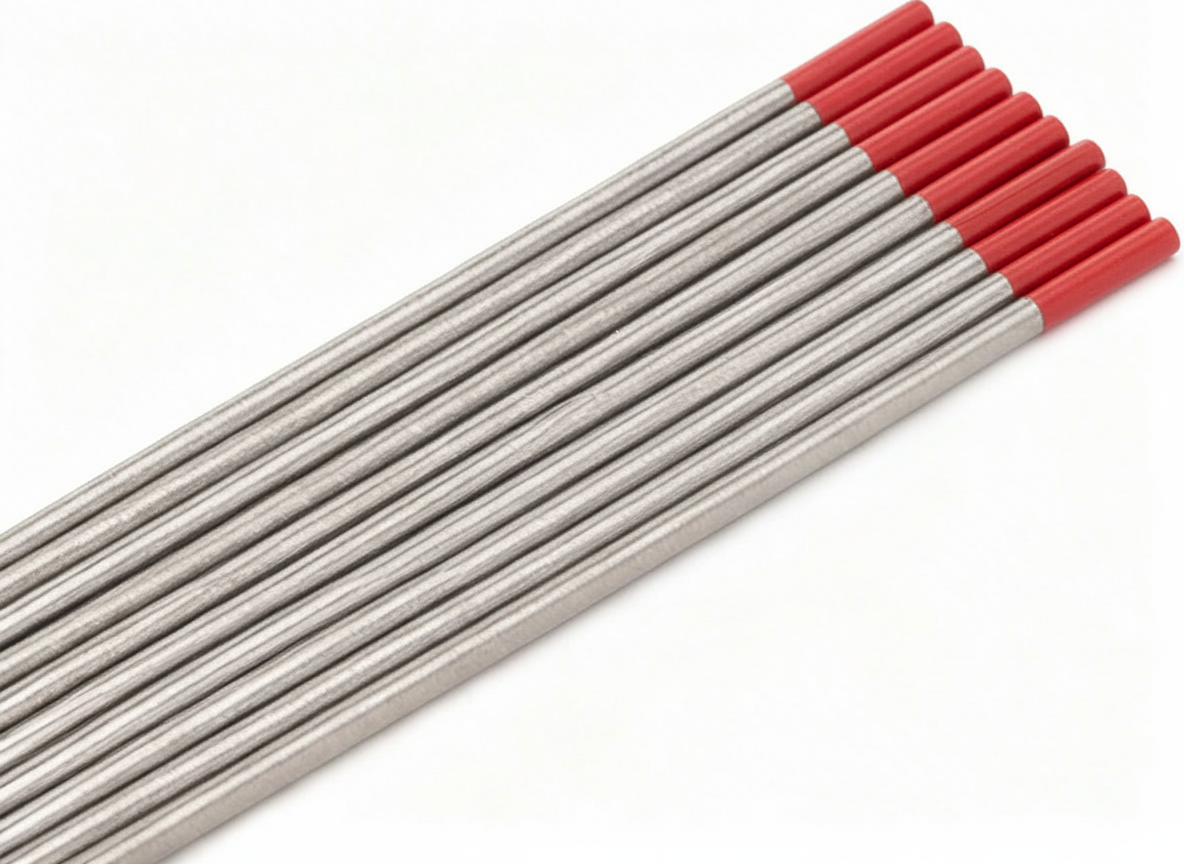
    Techniweld TE2T-116-10T is a 2% thoriated tungsten electrode in the red color code, classified as EWTh-2, and sized 1/16 in x 7 in. For TIG support teams, the practical question is not just what the part is, but where it fits in the shop process: storage, prep, installation, and troubleshooting. This breakdown stays focused on that use case.

    For DC TIG work, this type of tungsten is commonly selected for stable arc starting and consistent arc control. It is used across general ferrous TIG applications, but final process fit depends on the job, the power source, the amperage range, shielding gas setup, and the operator’s grinding and maintenance practice. If any of those variables are unclear, verify them before release to production.

    Key Takeaways

    • Techniweld TE2T-116-10T is a 2% thoriated tungsten, red coded, EWTh-2, 1/16 in x 7 in.
    • It is generally used for DC TIG applications where stable arc starting and control matter.
    • Fitment depends on torch collet size, cup setup, and the amperage window required by the job.
    • Do not assume suitability for every base metal or every TIG mode; verify the application first.
    • Handle thoriated electrodes with controlled grinding and dust management practices.

    What this part is used for

    An EWTh-2 tungsten electrode is a consumable for TIG welding. In simple terms, it carries the arc. The 1/16 in diameter indicates a small electrode size suited to lighter-duty TIG work or lower current applications, but the actual usable range is process- and machine-dependent. Do not assign a current limit without checking the welding procedure, torch package, and machine documentation.

    In a maintenance or fabrication setting, this electrode is often stocked as a general-purpose DC TIG option for steel and stainless steel work. That said, general use is not a substitute for job-specific verification. If a procedure calls for a different tungsten type, a different color code, or a different diameter, follow that requirement.

    How to inspect before use

    Before installation, inspect the electrode and packaging condition.

    • Check the diameter: Confirm 1/16 in matches the torch setup and the selected collet or holder.
    • Inspect the ends: Look for chipped tips, cracks, or bent condition from transport or storage.
    • Verify the color code: Red should match EWTh-2 identification, but do not rely on color alone if the package label is missing.
    • Check contamination: Oil, dirt, or shop dust can affect arc starts and weld quality.
    • Verify packaging label: Confirm the part number TE2T-116-10T and the stated size before issuing to the floor.

    Setup and handling checks

    Use the following checks when putting the tungsten into service:

    1. Check the torch fit: Verify the electrode seats correctly in the collet or electrode clamp. If fit is loose or binding, stop and confirm the torch consumable size. Unknown (Verify) if the current torch body supports 1/16 in without an adapter.
    2. Inspect grind direction: Grind lengthwise, not across the electrode, to reduce arc wander. Verify grinding wheels are dedicated to tungsten if contamination control is required by your shop standard.
    3. Verify tip shape: Use the tip geometry required by the procedure. If no procedure exists, request guidance from welding engineering or the machine OEM. Unknown (Verify) on exact tip angle because that depends on the application.
    4. Check shielding gas coverage: Poor gas coverage can look like a tungsten issue when the root cause is gas flow, leaks, or cup size mismatch.

    Troubleshooting support

    If the electrode is not performing as expected, isolate the issue before replacing parts.

    • Hard starting or wandering arc: Inspect the tip shape, grind quality, and contamination. Verify the tungsten is not rounded more than intended for the job.
    • Arc instability: Check gas coverage, work clamp integrity, and torch lead condition. Verify the electrode is centered and not loose in the torch.
    • Frequent tip breakdown: Inspect amperage demand versus electrode size. Unknown (Verify) whether the current load is within the suitable range because procedure and machine settings control that limit.
    • Blackened weld area: Verify shielding gas flow, post-flow time, and cup placement before blaming the electrode.
    • Contamination after touching the puddle: Remove the electrode from service, regrind or replace as required by shop practice, and confirm no base metal transfer remains on the tip.

    Product and parts notes

    This product is the tungsten electrode itself, not a complete torch package. It must be matched to a compatible TIG torch consumable setup. Because torch model compatibility was not provided, treat all torch fit details as Unknown (Verify). Do not assume it fits every collet body, back cap, or torch style without checking the torch system documentation.

    If this electrode is being purchased for inventory control, label it by part number, diameter, color code, and alloy class. That reduces mis-picks at the bench and makes it easier to track what was actually issued for a job.

    Safety notes

    Thoriated tungsten contains thorium. Shop handling practices should limit dust exposure, especially during grinding. Use local exhaust or other dust control methods required by site policy. Do not dry-sand or create unnecessary dust. Follow your facility’s exposure controls, PPE requirements, and disposal rules for spent or damaged electrodes.

    Also verify that the welding machine is de-energized or placed in a safe state before changing consumables. Treat a used tungsten as a sharp, hot, and potentially contaminated item until it is cooled and handled properly.

    FAQ

    Is Techniweld TE2T-116-10T only for DC TIG?
    It is commonly used for DC TIG applications, but final suitability depends on the job specification and the welding procedure. If the procedure calls for a different tungsten type, follow that requirement.

    Can I use this 1/16 in tungsten for any amperage range?
    No. The usable range depends on the power source, joint, gas coverage, torch setup, and the procedure. Unknown (Verify) for any exact amperage limit unless the welding specification states it.

    What should I check if the arc will not start cleanly?
    Check the tip grind, contamination, torch fit, gas flow, and work clamp. A poor start is often caused by setup or handling issues, not only the tungsten alloy.

    Does the red color code confirm EWTh-2?
    Red is the common identification for thoriated tungsten, but always verify the package label and part number. Color alone should not be the only control method in inventory or production.

    Sources Checked

    “>Techniweld TE2T-116-10T product listing
  • Provided task data for product title, size, classification, and short description

Related Arc Weld Part

Techniweld, TE2T-116-10T, Tungsten, 2% Thoriated, RED, EWTh-2, 1/16 in x 7 in

Techniweld, TE2T-116-10T, Tungsten, 2% Thoriated, RED, EWTh-2, 1/16 in x 7 in

Techniweld TE2T-116-10T is a 2% thoriated tungsten electrode, color coded red and classified as EWTh-2, sized 1/16 in x 7 in. It is commonly used for DC TIG welding and offers reliable arc starting and stable performance on steel, stainless steel, and other common ferrous applications. This tungsten is a standard choice for operators who want consistent arc control and durable performance in general-purpose TIG work.

View at Arc Weld Store
  • How to Reduce TIG Tungsten Grinding Dust in a Small Shop

    How to Reduce TIG Tungsten Grinding Dust in a Small Shop

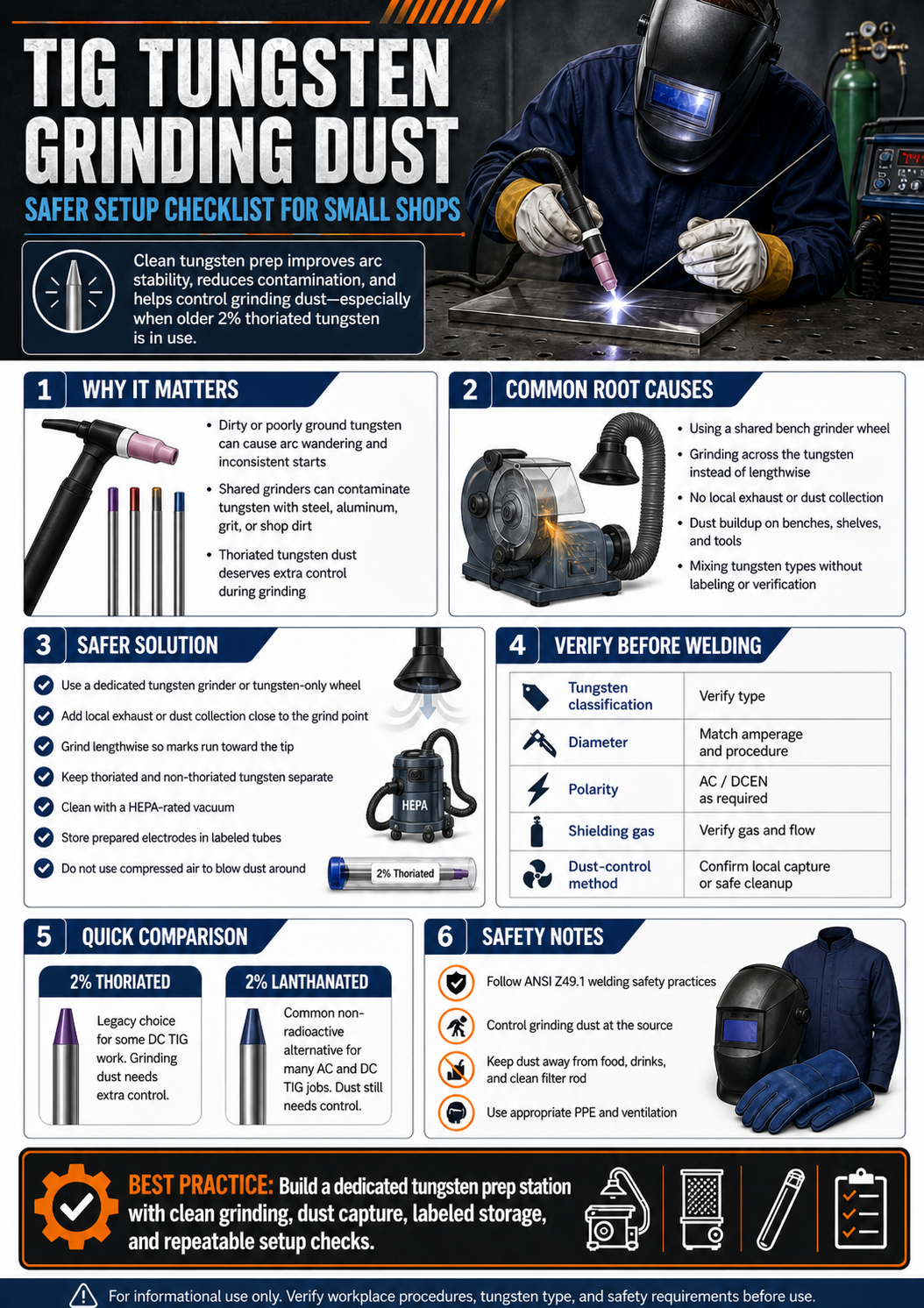
    TIG welding often depends on a clean, consistent tungsten point. The problem is that grinding tungsten electrodes can create fine dust, especially when older 2% thoriated tungsten is used. A simple shop setup can reduce exposure, improve point consistency, and keep tungsten prep from contaminating other grinding work.

    Key Takeaways

    • Dedicated tungsten grinding is cleaner than using a shared bench grinder wheel.
    • Thoriated tungsten grinding dust deserves extra control because thorium is radioactive.
    • Local exhaust, dust collection, and good housekeeping are more important than speed.
    • Lanthanated tungsten is a common non-radioactive alternative for many AC and DC TIG jobs.
    • Always verify tungsten type, diameter, current range, and job procedure before changing electrodes.

    Problem / Context

    A small TIG station may have a good machine, clean filler rod, and proper shielding gas, but still struggle with arc wandering, tungsten inclusions, and inconsistent starts. One overlooked cause is poor tungsten preparation. A shared grinder can load the tungsten with steel, aluminum, abrasive grit, or shop dirt. A poorly controlled grind can also send fine tungsten dust into the work area.

    This matters most when grinding thoriated tungsten. AWS safety guidance notes that thoriated tungsten contains thorium and that grinding dust can create an inhalation or ingestion concern. The safest approach is to control dust at the source and avoid casual dry grinding in open shop air.

    Root Causes

    • Using a shared grinder wheel that has already touched steel, stainless, or aluminum.
    • Grinding across the tungsten instead of lengthwise with the electrode axis.
    • Using thoriated tungsten without a dust-controlled sharpening process.
    • Letting grinding dust accumulate on benches, grinder guards, shelves, or nearby tools.
    • Switching tungsten types without checking procedure requirements and arc performance.
    • Using the wrong tungsten diameter for the amperage range. Unknown (Verify).

    Solution

    Set up a dedicated tungsten prep area instead of treating tungsten sharpening as a general grinding task. The setup should include a dedicated grinding surface, controlled dust capture, clear labeling for tungsten types, and a cleaning method that does not blow dust into the air.

    • Use a dedicated tungsten grinder, diamond wheel, or tungsten-only grinding attachment.
    • Position local exhaust or dust collection close to the grinding point.
    • Grind lengthwise so grind marks run toward the electrode tip.
    • Keep thoriated tungsten separate from lanthanated, ceriated, or other non-thoriated electrodes.
    • Clean with a HEPA-rated vacuum or other approved dust-control method. Do not use compressed air to scatter dust.
    • Store prepared tungstens in labeled tubes so clean points do not pick up bench contamination.

    Specs / Verification Notes

    Item to VerifyWhy It MattersStatus
    Tungsten classificationConfirms whether the electrode is thoriated, lanthanated, ceriated, pure tungsten, or another type.Unknown (Verify)
    Tungsten diameterDiameter must match the machine setting, torch capacity, and job procedure.Unknown (Verify)
    Welding polarityDCEN, AC, and special waveforms may require different tungsten choices and tip geometry.Unknown (Verify)
    Shielding gasGas type and flow affect arc behavior and tungsten life.Unknown (Verify)
    Dust-control methodOpen grinding is not the same as local capture or dust collection.Unknown (Verify)

    Product Section

    The following product was checked for a visible Amazon ASIN and cross-checked against manufacturer or welding-supply listings for the same Weldcraft part number. Verify diameter, package quantity, tungsten type, and seller listing before purchase.

    No products found.

    Comparison Table

    OptionUse CaseDust ConcernVerification Needed
    2% thoriated tungstenLegacy DC TIG procedures and qualified work where specifiedHigher concern when grinding because thorium is presentConfirm procedure requirement and dust controls
    2% lanthanated tungstenCommon non-radioactive option for many AC and DC TIG applicationsNo thorium dust, but grinding dust still needs controlConfirm machine, material, and procedure acceptance
    Pre-ground tungstenRepeat work where consistent tip geometry mattersReduces in-shop grindingConfirm point angle, flat, diameter, and tungsten type
    Dedicated tungsten grinderShops that sharpen oftenCan improve containment if paired with dust controlConfirm collector, wheel type, and electrode size range

    Safety Notes

    ANSI Z49.1 covers safety in welding, cutting, and allied processes, including protection of personnel, ventilation, fire prevention, and confined spaces. TIG welding still requires proper helmet shade, eye protection, gloves, clothing, ventilation, and protection from hot metal and ultraviolet radiation.

    AWS safety guidance for thoriated tungsten recommends dust-collecting grinders, local exhaust, and respiratory protection where needed to prevent inhalation of dust. Treat grinder dust as a controlled waste stream and follow workplace, local, and regulatory disposal rules.

    Do not use compressed air to clean tungsten grinding dust from a bench or grinder. Do not grind thoriated tungsten near food, drinks, open toolboxes, welding coupons, or clean filler rod. Do not assume a non-radioactive tungsten eliminates all respiratory risk; fine grinding dust should still be controlled.

    FAQ

    Is thoriated tungsten banned?

    Not universally. Some workplaces restrict or phase it out, while some qualified procedures still specify it. Verify the job requirement, employer policy, and local rules before use.

    Can lanthanated tungsten replace thoriated tungsten?

    Often, but not automatically. Lanthanated tungsten is widely used as a non-radioactive alternative, but procedure, machine type, base metal, amperage, and acceptance requirements must be verified.

    Should tungsten be sharpened on a belt sander?

    Only if the belt is dedicated to tungsten and dust is controlled. A shared belt can contaminate the tungsten and spread dust across the shop.

    Why does the arc wander after sharpening?

    Common causes include cross-grinding marks, an off-center point, contamination from a shared wheel, an oversized ball, incorrect tungsten diameter, or poor gas coverage.

    Is a tungsten grinder required?

    No, but a dedicated grinder or controlled sharpening setup can improve consistency and reduce contamination. The key requirement is a clean, repeatable grind with appropriate dust control.

    Next Step

    Build a small tungsten prep checklist at the TIG bench: tungsten type, diameter, point style, grinding direction, dust control, and storage tube. Keep the checklist with the torch consumables so every tungsten is prepared the same way before welding starts.

    Sources Checked

    • AWS Safety and Health Fact Sheet No. 27, Thoriated Tungsten Electrodes.
    • AWS Safety and Health Fact Sheet No. 2, Radiation.
    • ANSI Z49.1:2021, Safety in Welding, Cutting, and Allied Processes.
    • Miller Weldcraft product listing for Weldcraft 2% Lanthanated Tungsten WL2332X7.
    • Amazon product listing showing ASIN B00VMH8T6M for Miller Weldcraft WL2332X7.
    • Cyberweld listing for Weldcraft 2% Lanthanated Tungsten WL2332X7.
  • Try Amazon Prime Free