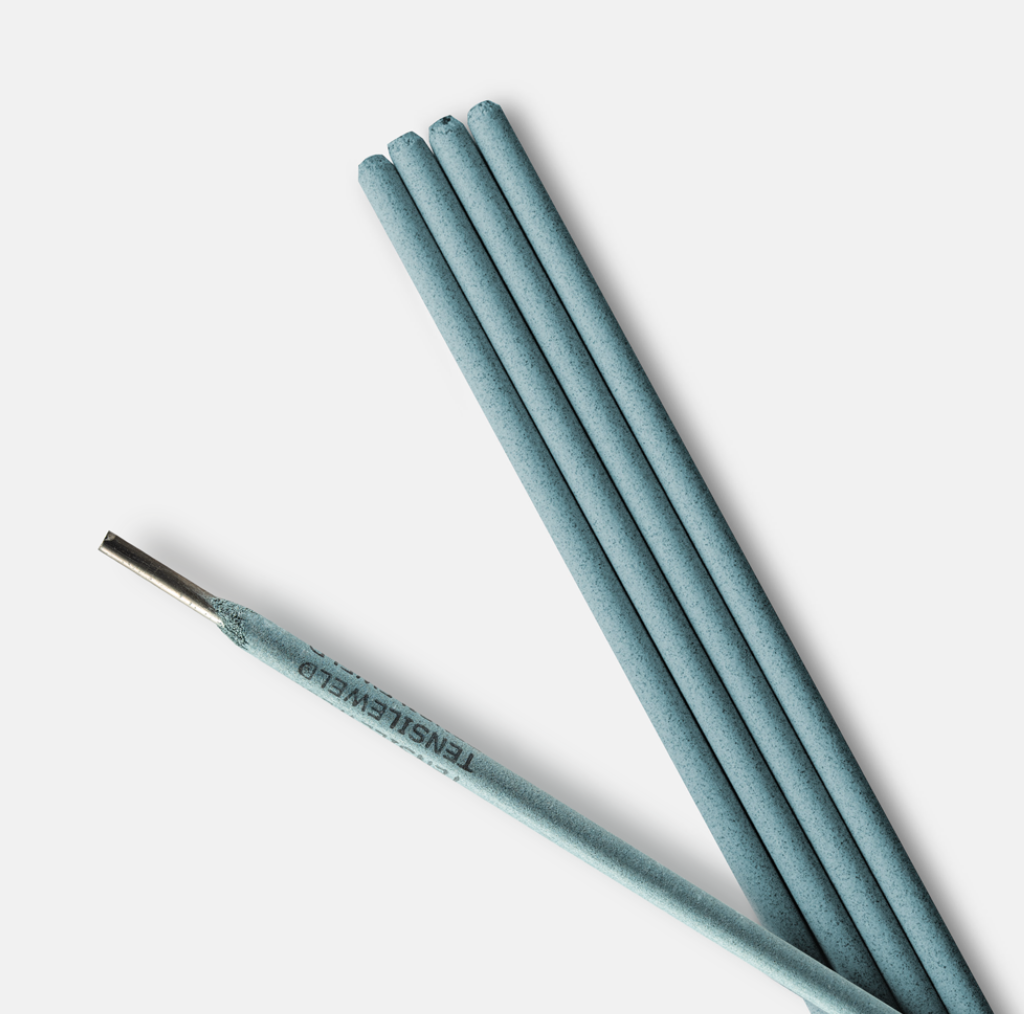
Tag: stick electrode

  • Stick Electrode Sticking During Arc Start: Amperage, Arc Length, Rod Condition, Polarity, Ground, and Hot Start Checks

    Stick electrode sticking during arc start usually means the arc is not getting hot and stable fast enough to keep the rod from fusing to the work. The common causes are low amperage, poor scratch/tap technique, arc length too short, damp or damaged rods, wrong polarity, weak work clamp contact, undersized leads, low open-circuit voltage, or an electrode that is difficult to restart. 7018, small-diameter rods, cold plate, dirty base metal, and small inverter machines can make the problem more noticeable.

    Do not keep twisting a stuck rod until the flux breaks off. Break the arc, free the rod, chip the stuck metal off the end, and restart on clean steel. If the electrode sticks again, increase amperage slightly within the rod range, clamp directly to clean metal, use a confident scratch start, lift immediately to a short arc, and verify rod storage and polarity before blaming the welder.

    Related stick support checks include 7018 rod sticking causes, 7018 rod moisture contamination troubleshooting, electrode holder selection, and welding cable lead length and sizing.

    Common Symptoms

    SymptomLikely CauseFirst Check
    Rod sticks instantly on touchLow amperage, poor strike, bad groundIncrease amps slightly and clean clamp point
    Rod starts then goes outArc held too close or travel starts too slowLift to short arc immediately after strike
    7018 sticks repeatedlyDamp rod, low amps, wrong restart prepTry fresh dry rod at correct range
    Rod glows red near holderRod too small for amperage or held too longVerify electrode diameter and current
    Arc start is harsh and unstableWrong polarity, dirty metal, long leadsCheck polarity, work return, and cable size
    Only restarts stickSlag cap on electrode endSnap/clean the rod tip before restrike

    Root Cause Analysis

    During a stick start, the electrode must touch or nearly touch the work long enough to ionize the gap, then separate enough to form an arc. If the current is too low, the rod coating is damp, the work clamp path is weak, or the operator holds the rod against the plate too long, the electrode bonds to the work before the arc stabilizes. Sticking is most often a setup-and-technique problem, but weak leads, poor connectors, wrong polarity, or a welder with low start performance can contribute.

    Quick Checks

    • Amperage: Start near the middle of the rod manufacturer’s range, then adjust in small steps.
    • Arc start: Scratch like striking a match or tap cleanly, then lift immediately.
    • Arc length: Keep a short arc about the rod core diameter; do not bury the rod.
    • Rod condition: Use dry, undamaged electrodes. Damp 7018 is a common sticking trigger.
    • Work clamp: Clamp directly to clean bare metal, not paint, rust, mill scale, or a loose table.
    • Polarity: Confirm the electrode supports the selected AC, DCEN, or DCEP setting.
    • Leads: Check cable size, connector fit, lug tightness, and holder jaws.

    Inspection Steps

    1. Identify the rod. Confirm electrode classification, diameter, and manufacturer amperage range.
    2. Check the machine output. Verify AC/DC mode, polarity, amperage, hot-start setting if available, and input power.
    3. Clean the start point. Remove rust, paint, oil, mill scale, and slag before striking.
    4. Move the work clamp. Clamp close to the weld on clean metal and retest.
    5. Inspect holder jaws. A loose or burned holder can reduce current transfer at the electrode.
    6. Inspect cables and connectors. Look for undersized cable, long lead voltage drop, loose DINSE/Tweco connectors, hot lugs, or damaged insulation.
    7. Try a fresh rod. If a dry new rod starts better than shop-stored rods, storage is part of the fault.
    8. Use a controlled start. Scratch or tap, lift immediately, hold a short arc, then move into the joint.
    9. Adjust amperage last. Increase only within the rod’s range after ground, polarity, and rod condition are verified.

    7018 Start and Restart Notes

    7018 can be harder to restart than 6010, 6011, or 6013 because the flux can form an insulating cap at the rod end. For restart, snap the rod tip, file/scratch the end, or strike on a run-on area before returning to the joint. Use dry rods from proper storage. For code or critical low-hydrogen work, do not use questionable 7018 just because it will eventually start.

    Field Fix vs Proper Fix

    ProblemField FixProper Fix
    Rod sticks on first touchTurn amperage up slightlySet amperage by rod range and confirm ground/polarity
    7018 restart sticksBreak the flux cap and restrikeUse dry rods and proper restart technique
    Weak arc from bad clampMove clamp to clean metalReplace worn clamp, lug, or lead
    Long leads reduce startShorten lead routeUse correctly sized cable and tight connectors
    Damp rods stickUse fresh rodsStore low-hydrogen rods in approved oven control

    Common Wrong-Diagnosis Mistakes

    • Blaming the welder before checking amperage, ground, rod storage, and polarity.
    • Running 7018 too cold because the bead looks easier to control.
    • Holding the rod against the plate too long during tap starts.
    • Dragging the rod without lifting enough to establish the arc.
    • Trying to weld with damp, chipped, oily, or shop-floor electrodes.
    • Ignoring hot electrode holder jaws, loose cable lugs, or undersized leads.
    • Using an electrode that does not match the machine’s AC/DC output.

    Compatibility Notes

    Stick-start performance depends on the electrode, machine output, lead set, holder, and clamp. Verify rod classification, rod diameter, allowed polarity, welder AC/DC output, open-circuit voltage requirements, cable size, connector type, electrode-holder rating, and work-clamp rating before ordering parts. WSP accessory references such as Miller Thunderbolt 210 stick accessories and CST 282 stick lead sets and Tweco-style connectors show why lead and connector fitment must be verified.

    What To Verify Before Ordering

    • Welder output: AC, DC, or AC/DC.
    • Electrode classification, diameter, and polarity requirement.
    • Amperage range and whether hot start is available.
    • Electrode holder amperage rating and jaw condition.
    • Work clamp rating, jaw spring, copper contact, and lug condition.
    • Welding cable gauge, length, insulation, and connector style.
    • Whether the job requires low-hydrogen storage controls.

    Related Failure Paths

    • 7018 sticking from damp coating or low amperage.
    • Porosity from wet rods or long arc length.
    • Arc blow mistaken for starting trouble.
    • Weak arc from poor work return or undersized leads.
    • Slag inclusions from improper restarts.
    • Holder overheating from loose jaws or underrated parts.

    Safety Notes

    • Do not touch live electrode, holder jaws, or work with bare skin.
    • Turn off the machine before changing leads, connectors, holder, or clamp.
    • Wear eye, hand, and body protection when striking and restarting electrodes.
    • Keep electrode stubs, hot rods, and slag away from gloves, leads, and combustibles.
    • Replace damaged cable insulation, cracked holders, and weak work clamps before welding.

    Sources Checked

    • Weld Support Parts stick rod sticking, electrode holder, cable, and 7018 storage support pages.
    • Weld Support Parts stick lead set and connector product pages.
    • Hobart E7018 amperage and operating guidance.
    • Lincoln Electric 7018 AC product reference and stick support search results.
  • Nickel Stick Electrode Guide for Cast Iron Repair and Fitment

    Nickel stick electrodes are commonly ordered for cast iron repair, build-up work, and joining cast iron to compatible dissimilar metals. Arc Weld Store’s Nickel Electrode collection includes Weldcote Metals and Washington Alloy nickel electrodes in verified package sizes and diameters. This guide is built to help buyers select the right nickel electrode option, verify fitment before ordering, and avoid downtime from choosing the wrong diameter, alloy type, or package size.

    View Nickel Electrode options at Arc Weld Store

    Key Takeaways

    • Arc Weld Store currently lists 4 nickel electrode products in the Nickel Electrode collection.
    • Verified brands include Weldcote Metals and Washington Alloy Co.
    • Verified electrode options include Nickel 99 and Nickel 55 products.
    • Verified diameters include 3/32 inch, 1/8 inch, and 5/32 inch, depending on product.
    • Compatibility, amperage range, polarity, and machine requirements should be verified before ordering.

    Product Overview

    The Nickel Electrode collection is focused on stick electrodes for cast iron repair and related industrial welding applications. The listed products include Weldcote Metals 99 Nickel Stick Electrode in a 1 lb package and Washington Alloy 55% Nickel Stick Electrode in 10 lb packages across multiple diameters.

    ProductBrandSKUVerified DiameterPackageArc Weld Link
    Weldcote Metals 99 Nickel Stick Electrode – 1# Package (5/32″ Diameter)Weldcote Metals299532X15/32 inch1 lb Weldcote Metals 99 Nickel Stick Electrode - 1# Package (5/32" Diameter) “>View product
    Washington Alloy 55% Nickel Stick Electrode 10LB Package (5/32″ – 10 LB.)Washington Alloy Co.255532 – 10 LBS.5/32 inch10 lb Washington Alloy 55% Nickel Stick Electrode 10LB Package (5/32" - 10 LB.) “>View product
    Washington Alloy 55% Nickel Stick Electrode 10LB Package (1/8″ – 10 LB.)Washington Alloy Co.25518 – 10 LBS.1/8 inch10 lb Washington Alloy 55% Nickel Stick Electrode 10LB Package (1/8" - 10 LB.) “>View product
    Washington Alloy 55% Nickel Stick Electrode 10LB Package (3/32″ – 10 LB.)Washington Alloy Co.255332 – 10 LBS.3/32 inch10 lb Washington Alloy 55% Nickel Stick Electrode 10LB Package (3/32" - 10 LB.) “>View product

    Best For

    • Cast iron repair work where a nickel stick electrode is required.
    • Repairing gray iron castings when the selected electrode matches the application requirements.
    • Joining cast iron to mild steel or stainless steel when verified by the product description and welding procedure.
    • Maintenance departments repairing motor blocks, housings, machine parts, frames, defective castings, or worn sections.
    • Buyers who need to compare Nickel 55 and Nickel 99 options before ordering.

    Need the correct nickel electrode for a repair job? Compare Nickel Electrode options at Arc Weld Store.

    Key Specs

    CollectionNickel Electrode
    Verified product count4 products
    Verified brandsWeldcote Metals; Washington Alloy Co.
    Verified alloy familiesNickel 99; Nickel 55
    Verified package sizes1 lb; 10 lb
    Verified diameters3/32 inch; 1/8 inch; 5/32 inch
    Amperage rangeUnknown (Verify)
    PolarityUnknown (Verify)
    AWS classificationUnknown (Verify)
    CertificationsUnknown (Verify)

    Compatibility / Fitment Notes

    Nickel stick electrodes are not selected by brand alone. The buyer should confirm alloy type, electrode diameter, base metal condition, welding position, power source capability, required machinability, and repair procedure before ordering.

    • Nickel 99: Arc Weld Store states the Weldcote NI-99 electrode is designed for welding gray iron castings to themselves and joining them to mild steels or stainless steels. The product description also states that Nickel 99 weld deposits are machinable.
    • Nickel 55: Arc Weld Store states Washington Alloy Nickel 55 is designed for all-position joining and surfacing of cast iron, malleable iron, and ductile iron to itself or dissimilar metals such as mild steels, stainless steel, wrought alloys, or high nickel alloys.
    • Diameter fitment: Confirm that the selected 3/32 inch, 1/8 inch, or 5/32 inch electrode diameter matches your welding machine output, electrode holder, joint design, casting thickness, and repair procedure.
    • Application limits: Compatibility with a specific casting, machine, electrode classification, or welding procedure is Unknown (Verify) unless confirmed against the job requirements.

    Before You Order

    Use this checklist before purchasing nickel stick electrodes for cast iron repair or maintenance welding:

    • Confirm the base metal: gray iron, cast iron, malleable iron, ductile iron, mild steel, stainless steel, wrought alloy, or high nickel alloy.
    • Confirm whether Nickel 55 or Nickel 99 is required for the repair procedure.
    • Confirm electrode diameter: 3/32 inch, 1/8 inch, or 5/32 inch.
    • Confirm package quantity: 1 lb or 10 lb.
    • Confirm welding machine amperage capability for the selected diameter: Unknown (Verify).
    • Confirm polarity requirement: Unknown (Verify).
    • Confirm welding position requirements.
    • Confirm whether the weld deposit must be machinable after repair.
    • Confirm preheat and interpass requirements for the casting and electrode. Arc Weld Store lists a preheat and interpass temperature of not less than 350°F / 175°C for Weldcote NI-99.
    • Confirm OEM number or internal maintenance part number, if replacing a stocked electrode.
    • Confirm storage requirements for opened electrode containers: Unknown (Verify).
    • Confirm safety controls for fumes, ventilation, PPE, fire watch, and hot work permits.

    Accessories / Compatible Products

    Only technically relevant accessories should be added to a nickel electrode order. Compatibility must be verified for each shop setup and application.

    Accessory GroupWhy It May Be NeededCompatibilityArc Weld Link
    Stick welding equipmentPower source and stick welding setup supportUnknown (Verify)View stick welding equipment
    Electrode holdersHolding the selected electrode diameter during SMAW weldingUnknown (Verify)View electrode holders
    Ground clampsWork connection for stick welding circuitsUnknown (Verify)View ground clamps
    Stick welding glovesHand protection for stick welding workUnknown (Verify)View stick welding gloves

    Common Applications

    • Repairing castings.
    • Welding gray iron castings to themselves.
    • Joining gray iron castings to mild steel or stainless steel when verified by the welding procedure.
    • Repairing motor blocks, housings, machine parts, frames, defective castings, and worn sections when the selected electrode is appropriate.
    • Building up worn cast iron sections with a verified Nickel 55 repair procedure.

    Shipping / Returns Notes

    Arc Weld Store product pages list shipment from Corydon, Indiana, typical fulfillment of 1–2 business days unless noted, free ground shipping to the lower 48 on qualifying orders, pickup availability at the Corydon location, and returns accepted on unused items in original packaging. Always confirm current shipping, pickup, discount, and return details on the product page before ordering.

    FAQ

    What nickel electrode options are listed in this Arc Weld Store collection?

    The collection includes Weldcote Metals 99 Nickel Stick Electrode and Washington Alloy 55% Nickel Stick Electrode options in verified diameters of 3/32 inch, 1/8 inch, and 5/32 inch.

    Is Nickel 55 or Nickel 99 better for cast iron repair?

    That depends on the casting, repair procedure, weld deposit requirements, and machinability requirements. Arc Weld Store describes Weldcote NI-99 as machinable and designed for gray iron castings. Arc Weld Store describes Washington Alloy Nickel 55 as suited for all-position joining and surfacing of cast iron, malleable iron, and ductile iron. Verify the correct alloy before ordering.

    Can I choose the electrode by diameter only?

    No. Diameter is only one selection factor. Confirm alloy family, amperage range, polarity, welding position, base metal, repair procedure, and package quantity before ordering.

    Are amperage ranges listed for these products?

    Amperage range is Unknown (Verify) from the Arc Weld Store product pages checked for this article. Confirm the amperage range before purchasing or welding.

    Where can I get fitment help before ordering?

    Arc Weld Store product pages direct buyers to email sales@arcweldinc.com with the process, material, thickness, part number, equipment model, and application for help choosing the correct item.

    Safety Notes

    Nickel electrode welding can produce fumes, heat, arc radiation, sparks, and hot work hazards. Follow your employer’s welding safety program, SDS requirements, ventilation requirements, PPE requirements, and applicable OSHA welding, cutting, and brazing requirements. Do not weld on containers, castings, or parts that may contain trapped gases, flammable residue, unknown coatings, or hazardous contamination until they are properly evaluated and prepared.

    Sources Checked

    • Arc Weld Store Nickel Electrode collection page.
    • Arc Weld Store Weldcote Metals 99 Nickel Stick Electrode product page.
    • Arc Weld Store Washington Alloy 55% Nickel Stick Electrode 5/32 inch product page.
    • Arc Weld Store Washington Alloy 55% Nickel Stick Electrode 1/8 inch product page.
    • Arc Weld Store Washington Alloy 55% Nickel Stick Electrode 3/32 inch product page.
    • OSHA welding, cutting, and brazing standards pages for safety context.

    Check current Nickel Electrode options at Arc Weld Store

  • Washington Alloy 7014 Stick Electrode – Smooth Welding with High Deposition

    Washington Alloy 7014 Stick Electrode – Smooth Welding with High Deposition


    Note for Readers: This post may contain affiliate links. If you purchase through them, we may earn a small commission at no cost to you. Thank you for supporting our site.


    Introduction

    The Washington Alloy 7014 Stick Electrode is a high-deposition, iron powder-coated rod designed for shielded metal arc welding (SMAW). Known for its smooth arc, minimal spatter, and excellent bead appearance, E7014 is widely used in structural and general fabrication.

    This electrode conforms to AWS A5.1: E7014 specifications, with a tensile strength rating of 70,000 psi, making it suitable for a wide range of light-to-heavy fabrication tasks. Its ease of use makes it popular with both professionals and welding students.

    Who uses 7014 most often?

    • Industrial repair welders working on structural steel and machinery

    • Fabricators handling mid-strength steel components

    • Apprentices & students learning flat and horizontal techniques

    • Maintenance teams in construction and manufacturing


    Types / Variants / Sizes

    Washington Alloy 7014 electrodes are available in common diameters to match different amperages and material thicknesses:

    • 3/32” (2.4 mm) – For thin materials and light fabrication

    • 1/8” (3.2 mm) – Most popular all-around size for shop and field work

    • 5/32” (4.0 mm) – Higher deposition for heavier applications like machinery or frames

    • 3/16” (4.8 mm) – Used where large amounts of weld metal are needed quickly

    Each size has specific amperage ranges, which should be followed for best arc stability and bead quality.


    Key Features and Specifications

    • AWS Classification: E7014 — 70,000 psi tensile strength

    • Polarity: Runs on AC, DCEN, or DCEP — compatible with virtually all stick welders

    • Iron Powder Coating: Boosts deposition rate, producing wide, flat beads

    • Welding Positions: Flat and horizontal fillet (not suited for vertical or overhead)

    • Coating Type: Titania iron powder — improves arc stability, slag release, and reduces spatter

    • Typical Amperage Ranges:

      • 3/32” → 90–130 amps

      • 1/8” → 110–165 amps

      • 5/32” → 150–210 amps

    Certifications

    • Meets AWS A5.1 E7014 classification

    • Often accepted under ANSI/ASME code for mild steel work (check project specs for critical joints)

    • CE-rated for consistency in international markets


    Usage & Compatibility

    The Washington Alloy 7014 is designed for SMAW stick welding and requires no external shielding gas.

    Compatible With:

    • AC or DC welding machines (transformer or inverter)

    • Standard electrode holders

    • Work on clean to lightly rusted or scaled mild steel surfaces

    Pros:

    • Smooth, stable arc with easy restarts

    • Slag peels off cleanly

    • High deposition efficiency saves time on larger welds

    Cons:

    • Limited to flat and horizontal positions

    • Moderate penetration — heavy sections require beveling and multiple passes


    Common Applications

    Because of its smooth bead appearance and high deposition rate, Washington Alloy 7014 is a go-to rod for:

    • Structural fabrication – beams, plates, frames, and trusses

    • General shop welding – trailers, tanks, brackets, and equipment

    • Maintenance & repair – farm implements, machinery, and worn steel components

    • Construction & field welding – non-critical reinforcement and patch jobs

    7014 excels where appearance, speed, and ease of use matter more than deep penetration.


    Tips & Best Practices

    Setup:

    • Polarity: AC or DC (DCEP recommended for better penetration)

    • Storage: Keep rods dry; if moisture is absorbed, recondition at ~300°F for 1 hour

    • Prep: Remove oil/grease; light rust or scale is acceptable

    Technique:

    • Drag or use a light weave in fillet welds

    • Maintain a short arc length for best stability and low spatter

    • Use slightly higher amps than 6013 for proper bead wetting

    Troubleshooting:

    • Porosity or wormholes → check for contamination or long arc length

    • Slag inclusions → adjust travel angle and maintain consistent speed

    • Rod sticking → raise amperage slightly or reduce arc force setting (on inverters)


    Conclusion

    The Washington Alloy 7014 Stick Electrode is a reliable, user-friendly rod for flat and horizontal mild steel welding. With its iron powder coating, smooth bead profile, and easy slag removal, it’s an excellent choice for welders who want high deposition rates without sacrificing appearance.

    Best suited for structural steel, farm repairs, shop projects, and training programs, Washington Alloy 7014 is a staple electrode that combines productivity with ease of use.

    No products found.


    Check current price, size availability, and reviews on Amazon.

    The Washington Alloy 7014 Stick Electrode is a high-deposition, iron powder-coated welding rod designed for shielded metal arc welding (SMAW) applications. This electrode is particularly known for delivering strong, clean welds with minimal spatter and excellent arc stability. It conforms to AWS A5.1/A5.1M: E7014 standards, making it a trusted selection across a range of light and heavy fabrication jobs.

    This type of electrode is used extensively by:

    • Professional welders for industrial repair work and structural steel projects
    • Metal fabricators handling mid-range strength steel components
    • Welding students and apprentices are learning flat and horizontal welding techniques
    • Engineers and maintenance personnel in manufacturing and construction settings

    Washington Alloy’s 7014 offers ease-of-use and versatility that make it ideal for both field and shop welding environments.


    Types / Variants / Models

    Washington Alloy 7014 is principally consistent in terms of core composition, but it is available in a variety of diameter sizes, each intended for different welding requirements and amperage ranges. These variations allow welders to tailor their tool selection for the thickness and position of the workpiece.

    Common Size Variants:

    • 3/32” (2.4 mm) – For light fabrication, sheet metal, and thinner materials
    • 1/8” (3.2 mm) – A general-purpose size for structural steels and machine parts
    • 5/32” (4.0 mm) – High-deposition use in heavy-duty applications like tractor parts, steel frames
    • 3/16” (4.8 mm) – For highly demanding builds requiring deeper penetration and heavier welds

    Each size has specific amperage recommendations, which must be observed to ensure arc stability and bead quality.


    Key Features or Specifications

    Here’s a technical breakdown of the most essential specifications that define the performance of the Washington Alloy 7014 Stick Electrode:

    • AWS Classification: E7014 – indicates a tensile strength of 70,000 psi, suitable for structural steel applications
    • Polarity: AC, DCEN or DCEP – Compatible with all current types, adding flexibility for different welding machines
    • Iron Powder Content: High – Enhances deposition rate and results in a smooth, flat bead appearance
    • Welding Positions: 1G, 2F (Flat & Horizontal only) – Not designed for vertical or overhead welding
    • Coating Type: Titania Iron Powder – Improves slag control, arc stability, and minimal spatter
    • Amperage Range:
      • 3/32”: 90–130 amps
      • 1/8”: 110–165 amps
      • 5/32”: 150–210 amps
    • Certifications:
      • AWS A5.1 E7014
      • Meets relevant ANSI and ASME code standards for structural and maintenance welding
      • CE-rated for product consistency in international applications

    These technical specifications translate into tangible real-world benefits—faster travel speed, smoother beads, and less cleanup.


    Usage & Compatibility

    The Washington Alloy 7014 Stick Electrode is specifically optimized for Shielded Metal Arc Welding (SMAW). Unlike electrodes used in GMAW (MIG) or GTAW (TIG), E7014 does not require shielding gas, relying instead on its flux coating.

    Compatible Equipment:

    • AC or DC stick welding machines
    • Transformer or inverter-type welding power sources
    • Electrode holders suitable for high-duty cycle operations

    Pros:

    • Easy slag removal
    • Clean arc start and restart
    • Suitable for rusty or mill-scaled steel surfaces

    Cons:

    • Not suitable for vertical or overhead welds
    • Moderate penetration – not ideal for thick cross-sections without beveling

    Welders appreciate its low learning curve, making it a popular electrode for vocational programs and field repair work alike.


    Common Applications

    Washington Alloy 7014 excels in mild steel welding projects and finds frequent use in sectors where time efficiency and bead appearance are crucial:

    • Structural steelwork – Beams, trusses, plates
    • General fabrication – Tanks, trailers, farm implements
    • Maintenance & repair – Machinery rebuilds, worn parts build-up
    • Light manufacturing – Auto body, brackets, frames
    • Construction equipment – Reinforcements and patching in non-critical areas

    Its high-rate deposition efficiency makes it ideal for large weldments that benefit from faster welding speeds with less downtime for rod changes or slag clearing.


    Tips & Best Practices

    Here’s how to get the best performance when working with Washington Alloy 7014:

    Setup:

    • Polarity: AC or DC (electrode positive recommended for deeper penetration)
    • Dry Electrode Storage: Keep rods dry; if exposed to moisture, recondition at 300°F for 1 hour
    • Workpiece Prep: Clean off oil/grease; light rust is acceptable due to the electrode’s forgiving nature

    Usage Tips:

    • Use a drag or light weave technique on flat or fillet welds
    • Maintain short arc length to reduce spatter and ensure arc stability
    • Use slightly higher amperage compared to E6013 for optimal melt characteristics

    Troubleshooting:

    • Porosity or worm tracking? Check for contamination or excessive arc length
    • Slag inclusion? Adjust travel angle and maintain uniform speed
    • Rod sticking? Lower arc force setting (if using an inverter), or up amperage slightly for thick sections

    Conclusion

    The Washington Alloy 7014 Stick Electrode is a solid performer in flat and horizontal stick welding applications—offering high deposition rates, excellent bead aesthetics, and user-friendly handling. Its compatibility with AC and DC currents and its ability to work over rusty or scaled surfaces without gas shielding make it a valuable tool in any welder’s inventory.

    This electrode is ideal for fabricators, welders-in-training, maintenance crews, and small-shop professionals needing an efficient, reliable rod for mild steel work.


    Washington Alloy 7014 Stick Electrode 5LB Package (7014 3/32″)
    • All-position, Flux coated
    • 70,000 lbs Tensile Strength
    • 5 Lb Package
    • AC or DC (straight or reverse polarity) may be used

    Last update on 2026-06-04 / Affiliate links / Images from Amazon Product Advertising API


    Washington Alloy 7014 Stick Electrode 5LB Package (7014 1/8″)
    • All-position, Flux coated
    • 70,000 lbs Tensile Strength
    • 5 Lb Package
    • AC or DC (straight or reverse polarity) may be used

    Last update on 2026-06-04 / Affiliate links / Images from Amazon Product Advertising API

    Washington Alloy 7014 Stick Electrode 5LB Package (7014 5/32″)
    • All-position, Flux coated
    • 70,000 lbs Tensile Strength
    • 5 Lb Package
    • AC or DC (straight or reverse polarity) may be used

    Last update on 2026-06-04 / Affiliate links / Images from Amazon Product Advertising API

Watch with Prime Video