Introduction
Weld spatter, slag, and rust don’t clean themselves. The Rocaris 6 Pack Carbon Steel Wire Wheel and Pen Brush Set is a versatile, affordable solution for post-weld cleanup and surface preparation. This post covers what’s in the set, how to use each brush type, and when to reach for alternatives.
Key Takeaways
- 6-piece set includes 2 cup brushes, 2 wheel brushes, and 2 pen brushes
- 1/4″ hex shank fits most cordless drills and rotary tools
- Carbon steel wire is durable for general weld cleaning and rust removal
- Price point ($25–$40) makes it accessible for hobbyists and small shops
- Not suitable for stainless steel (use stainless wire to avoid contamination)
What’s Included
The Rocaris 6 Pack contains:
- 2 × Carbon steel cup brushes (conical shape for corners and edges)
- 2 × Carbon steel wheel brushes (flat for broad surface coverage)
- 2 × Carbon steel pen brushes (small, handheld for detail work)
- All with 1/4″ hex shank for drill chuck compatibility
Brush Types & Applications
| Brush Type | Best For | Speed (RPM) | Notes |
|---|---|---|---|
| Cup Brush | Weld spatter, corners, edges | 3,000–6,000 | Conical shape reaches tight areas |
| Wheel Brush | Broad surfaces, slag removal | 3,000–6,000 | Flat profile for even coverage |
| Pen Brush | Detail work, small parts, deburring | Hand or low-speed | Handheld; no power tool needed |
Performance & Use
Weld Cleaning Workflow
- Let the weld cool to room temperature (do not quench).
- Use a cup brush at 3,000–4,000 RPM to remove spatter and slag from the bead and heat-affected zone.
- Switch to a wheel brush for broad surface cleanup if needed.
- Use pen brushes for detail work, deburring, or hand-cleaning small components.
Carbon Steel vs. Stainless Steel Wire
Carbon steel wire is aggressive and cost-effective for mild steel and aluminum. Do not use on stainless steel welds — carbon steel particles can embed in the surface and cause rust spots (corrosion). For stainless, use stainless steel wire brushes only.
Safety & Maintenance
Always wear safety glasses when using rotating brushes. Loose wire can fly off at high speed. Keep the brush away from your hands and clothing.
Inspect brushes before each use. Discard any with bent, missing, or damaged wires. Replace brushes when they become matted or lose cutting ability (typically after 20–40 hours of use, depending on material and RPM).
What to compare before you buy
- Wire material: Carbon steel is standard but aggressive; stainless steel brushes are required for stainless steel welding.
- Brush size: The Rocaris set includes multiple sizes; verify that the included sizes match your typical cleanup tasks.
- Shank compatibility: 1/4″ hex shank fits most cordless drills; confirm your tool accepts this size.
- Speed rating: Do not exceed the recommended RPM; high-speed operation can cause wire breakage and flying debris.
- Quantity: 6 pieces is a good starter set; consider buying extras if you weld frequently.
Comparable Amazon picks (optional)
- ZORUNNA 6 Inch Fine Crimped Wire Wheel for Bench Grinder — Larger, for bench grinders; higher RPM tolerance; verify ASIN.
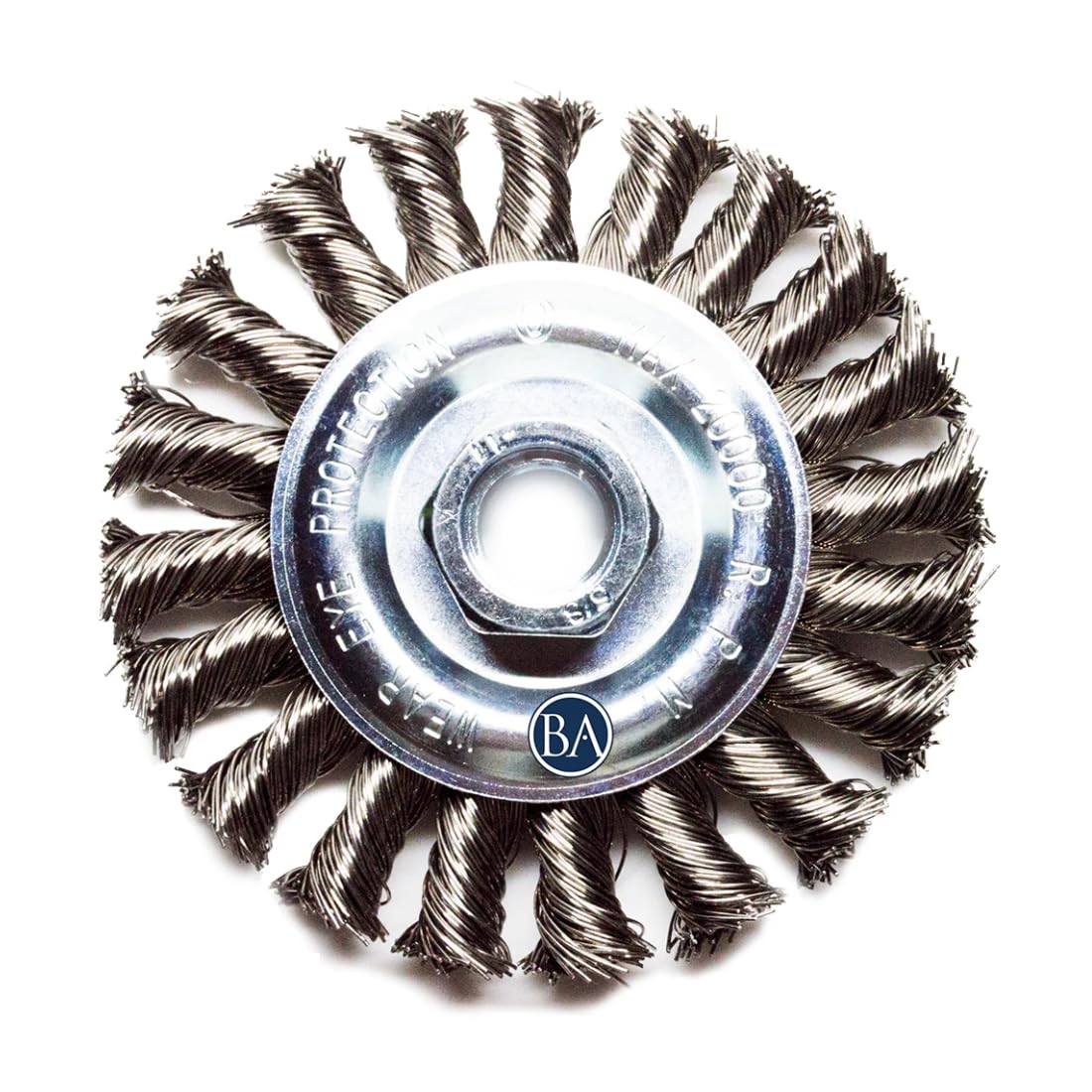
- Benchmark Abrasives 4″ x 1/2″ Standard Twist Knot Wire Wheel — Specialized for weld cleaning; single brush; higher price.
No products found.
When to Upgrade
If you’re welding stainless steel regularly, invest in a stainless steel wire brush set to prevent contamination. If you’re running high-volume production, consider a dedicated weld cleaning station with a bench grinder and heavy-duty brushes.
For light hobbyist work, the Rocaris set is more than adequate and will last months with proper care.
Verdict
The Rocaris 6 Pack is a practical, budget-friendly choice for post-weld cleanup and surface prep. The variety of brush types covers most common tasks, and the 1/4″ hex shank integrates with standard drills. The main limitation: carbon steel wire is not suitable for stainless steel. If your work includes stainless, plan for a separate stainless steel brush set.