Tag: power cable

  • Inweld 2 Gauge Premium Welding Cable 600 Volt – Black – Made in the USA (250 FEET): Product Breakdown

    Inweld 2 Gauge Premium Welding Cable 600 Volt – Black – Made in the USA (250 FEET): Product Breakdown

    Product not found.
    “>Inweld 2 Gauge Premium Welding Cable 600 Volt - Black - Made in the USA (250 FEET)

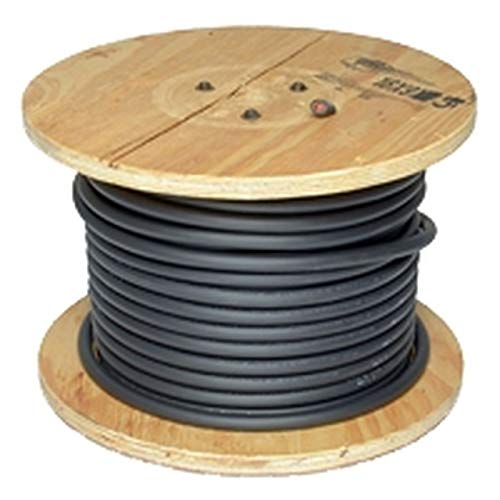
    Inweld 2 Gauge Premium Welding Cable 600 Volt – Black – Made in the USA (250 FEET) is a general-purpose welding lead product listed for welding, motor, generator, and battery lead use. For buyers and maintenance teams, the main questions are not just length and gauge. The real checks are conductor size, insulation condition, voltage rating, termination method, bend management, and whether the cable is being used within the equipment’s duty and current requirements. This breakdown focuses on practical inspection and support steps before installation or replacement.

    Key Takeaways

    • 2 gauge cable is a heavy lead size, but the correct application still depends on the machine, lead length, and current draw.
    • The listed product information confirms black color and 600 volt rating. Other technical details are Unknown (Verify) unless confirmed by the supplier data sheet.
    • Use the cable as a replaceable lead only after checking compatibility with lugs, connectors, and strain relief at the actual machine and work point.
    • Inspect the full cable length before service. Damage at the first few feet near the machine is common, but field abrasion can occur anywhere.
    • If the cable is used for motors, generators, or batteries, verify polarity, insulation condition, and termination security before energizing.

    What the Product Listing Tells You

    The available product description identifies this as a 2 gauge premium welding cable, black, rated 600 volts, and sold in a 250 foot length. The short description also notes use for welding leads plus motors, generators, and batteries. Nominal diameter is listed as .420 inch. Anything beyond that, including strand construction, jacket material, temperature rating, ampacity, or certification status, is Unknown (Verify) unless you have the manufacturer data sheet in hand.

    For purchasing, that means you should not assume the cable is suitable for every lead replacement job just because the gauge looks right. Verify the machine output, lead routing, and termination hardware before release to the floor.

    Practical Check, Inspect, Verify Steps

    Before purchase or issue from stock

    • Check the required lead length against the job. Do not cut a 250 foot reel without confirming the actual takeoff plan.
    • Inspect the end use: welding lead, generator lead, battery lead, or other equipment lead. Unknown (Verify) for each specific application unless the equipment manual approves it.
    • Verify the connector style needed at both ends. Lugs, clamps, and receptacles must match the machine and cable size.

    During installation

    • Check that the cable path avoids sharp edges, hot work zones, and moving equipment.
    • Inspect for kinks, flat spots, jacket cuts, burned areas, and crushed sections before pulling the cable into service.
    • Verify all terminations are mechanically secure and properly crimped or attached per your shop standard.

    During service

    • Check the first sign of overheating at plugs, lugs, and connection points.
    • Inspect for insulation wear where the cable crosses floors, carts, or hang points.
    • Verify that the cable is not being loaded beyond the equipment’s intended duty cycle. Current capacity is Unknown (Verify) for this listing without a published data sheet.

    Troubleshooting Common Cable Problems

    Problem: cable feels stiff or difficult to route

    • Check whether the cable was stored tightly coiled or exposed to cold conditions.
    • Inspect for jacket cracking or flat memory from improper storage.
    • Verify the routing path is not forcing too-tight bends. Rework the path before blaming the cable.

    Problem: connection runs hot

    • Check the lug or clamp fit at the termination.
    • Inspect for oxidation, looseness, and damaged strands near the crimp.
    • Verify the connection is clean, tight, and sized for 2 gauge cable.

    Problem: visible jacket damage

    • Check whether the damage is only surface abrasion or if strands are exposed.
    • Inspect the entire run, not just the obvious fault point.
    • Verify the cable is removed from service if the conductor is compromised. Do not continue use based on appearance alone.

    Product and Parts Section

    For this article, the referenced product is the only listed ArcWeld item:

    Product not found.

    “>Inweld 2 Gauge Premium Welding Cable 600 Volt – Black – Made in the USA (250 FEET)

    ArcWeld product shortcode:

    Inweld 2 Gauge Premium Welding Cable 600 Volt - Black - Made in the USA (250 FEET)

    Inweld 2 Gauge Premium Welding Cable 600 Volt – Black – Made in the USA (250 FEET)

    2 Gauge Premium Welding Cable – Black – 600 Volts – Welding lead- Leads for Motors, Generators, Batteries – Nominal Diameter is .420"

    View at Arc Weld Store

    Use the product page as the source of record for the listing details. If your purchasing team needs confirmation on strand count, jacket type, or agency approvals, request the datasheet or manufacturer confirmation. Do not assume those details from gauge and voltage rating alone.

    How Buyers Should Evaluate This Cable

    For maintenance buyers, the right process is simple: match the cable to the actual job, then verify the connection hardware and routing. A 250 foot reel is useful in fabrication shops, service trucks, and plant maintenance areas where long lead runs or multiple cut lengths are needed. The tradeoff is inventory control. Once a long reel is cut, the remaining stock must still be tracked by size and condition.

    When replacing damaged leads, compare the old lead to the new one only as a starting point. The old cable may have been undersized, overloaded, or repaired incorrectly. Use the replacement as an opportunity to correct the root cause: poor routing, poor storage, or wrong connector selection.

    Safety Notes

    • De-energize equipment before handling or replacing any lead.
    • Do not use damaged cable with exposed conductors, burned jacket, or loose terminations.
    • Keep cables out of pinch points, hot slag paths, and traffic lanes.
    • Use only termination methods approved by your shop procedure and the equipment manufacturer.
    • If the cable is used outside welding service, verify the application with the equipment manual. Unknown (Verify) where not documented.

    FAQ

    Is this cable only for welding?

    No. The listing also mentions motors, generators, and batteries. That does not mean every installation is approved. Verify the end use against the equipment manual and your internal standards.

    Can I assume the ampacity from the 2 gauge size?

    No. Ampacity depends on insulation type, duty cycle, installation conditions, ambient temperature, and lead length. The listing does not provide enough data for a reliable ampacity claim. Unknown (Verify).

    What should I inspect first on a used welding lead?

    Start with the terminations, then inspect the first several feet near the machine, then walk the full length looking for cuts, burns, crushing, and splices. Verify continuity and insulation condition before returning it to service.

    Is the 250 foot length a finished assembly?

    The available listing shows a 250 foot cable product, but assembly details such as end fittings are Unknown (Verify). Confirm whether you are buying bulk cable or a pre-terminated lead set before ordering.

    Sources Checked

    • ArcWeld product page: Inweld 2 Gauge Premium Welding Cable 600 Volt – Black – Made in the USA (250 FEET)
    • Provided product short description and listing data from the task record

    This draft uses only the provided product reference. No WSP lookup pages or filler metal finder pages were provided for this task, so none were included.

Stream with Amazon Music