Tag: oxy-fuel cutting

  • Oxy-Fuel Flame Pops or Backfires

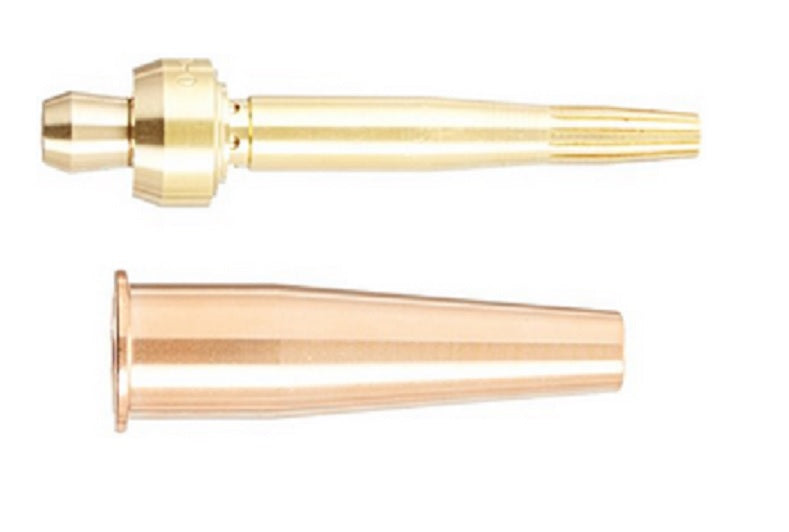
    ATTC 6290-1NX, Harris Style Cutting Tip for Alternate fuel gas, #1 Size Tip, Pack of (1)
    “>ATTC 6290-1NX, Harris Style Cutting Tip for Alternate fuel gas, #1 Size Tip, Pack of (1)

    Oxy-fuel torch popping usually points to a setup, cleaning, or gas-flow problem. In some cases the issue is a backfire at the tip. In worse cases it can move into a flashback event. Do not keep firing the torch until the cause is found.

    Key Takeaways

    • Popping is often caused by low gas flow, dirty tip orifice, loose connections, or poor lighting procedure.
    • Backfire usually starts at the tip and may be repeated if the torch is not cleaned or adjusted correctly.
    • Check for leaks, correct pressures, clean passages, and proper valve sequence before returning to service.
    • If the torch shows signs of overheating, sustained squeal, or flame travel into the tip, stop and inspect immediately.

    What Oxy-Fuel Torch Popping Means

    When an oxy fuel torch popping condition starts, the flame may snap, sputter, or go out and relight at the tip. That is different from a smooth flame. It usually means the gas mix, flow, or tip condition is not stable enough to keep the flame seated at the tip face.

    Common triggers include:

    • Clogged or partially blocked tip passages
    • Loose tip nut or torch head connection
    • Incorrect gas pressure or low cylinder supply
    • Dirty seat surfaces or damaged tip
    • Improper lighting or shutdown sequence
    • Heat buildup at the tip from prolonged use

    Troubleshooting Steps

    1) Stop and inspect the torch

    If the torch is popping repeatedly, shut it down safely. Let the tip cool if needed. Check for discoloration, soot, damaged seats, or signs of overheating. If the torch body or tip is hot enough to affect handling, wait before disassembly.

    2) Check cylinder supply and regulator settings

    Low supply pressure can create unstable flow. Verify cylinder contents and regulator function. Confirm the setting matches the torch and tip requirements. Exact values are unknown (verify) because they depend on torch model, gas type, tip size, and application.

    3) Inspect for leaks

    Leaks can pull the flame off the tip or create unstable ignition. Check hoses, fittings, valves, tip seats, and connections with an approved leak-check method. Repair any leak before relighting.

    4) Clean the tip correctly

    Tip orifice blockage is a common cause of popping. Clean only with proper tip cleaners or approved methods. Do not enlarge the orifice with wire, drill bits, or hard tools. That can ruin the tip geometry and make the condition worse.

    5) Verify the tip matches the fuel and task

    Use a tip intended for the gas and process. A mismatched tip can cause poor flame stability, hard starting, or popping. For the allowed part below, compatibility beyond the stated product description is unknown (verify).

    6) Check the lighting sequence

    Follow the torch manufacturerโ€™s lighting procedure. In general, the fuel gas is lit first, then oxygen is added as needed to adjust the flame. If the sequence is wrong, the torch may pop or backfire on start-up.

    7) Look for damaged torch components

    If cleaning and setup checks do not fix the issue, inspect the torch head, valves, seats, and mixers for damage. Internal wear can create unstable gas mixing and repeated backfire. Replace damaged parts rather than forcing service.

    Support Checks That Reduce Repeated Backfire

    • Keep tip faces clean and free of slag buildup.
    • Shut down gas in the correct sequence after each use.
    • Do not store a torch with loose fittings or partially closed valves.
    • Use clean, dry gas supply equipment.
    • Inspect flashback arrestors and check valves if installed. Type and condition are unknown (verify).

    Parts Section

    When the tip is worn, damaged, or not cleaning up, replacement may be the correct fix.

    • ATTC 6290-1NX, Harris Style Cutting Tip for Alternate fuel gas, #1 Size Tip, Pack of (1)

    This part is listed as a cutting tip with a short description of โ€œCutting Tip 2Pc LG.โ€ It is manufactured in the United States and manufactured by American Torch Tip. Use the product listing and your torch documentation to verify fit, gas type, and application before use. Exact compatibility is unknown (verify).

    ATTC 6290-1NX, Harris Style Cutting Tip for Alternate fuel gas, #1 Size Tip, Pack of (1)

    ATTC 6290-1NX, Harris Style Cutting Tip for Alternate fuel gas, #1 Size Tip, Pack of (1)

    The product type is Cutting Tip 2Pc LG. It is manufactured in United States. It is manufactured by American Torch Tip.

    View at Arc Weld Store

    Safety Notes

    • Do not relight a torch that has just backfired without checking the cause.
    • If flame travel occurs into the tip or torch body, stop work and inspect before reuse.
    • Keep hands, face, and body clear of the tip during ignition and adjustment.
    • Use eye protection and follow site hot-work procedures.
    • If you smell fuel gas or cannot control the flame, shut down the system and isolate the supply.

    FAQ

    Why does my oxy-fuel torch pop when I light it?

    Most often the tip is dirty, the gas flow is unstable, or the lighting sequence is wrong. Leaks and wrong pressure settings can also cause it.

    Is popping the same as backfire?

    No. Popping is a symptom. Backfire means the flame burns back at or into the tip. If the sound is sharp and repeated, treat it as a warning and inspect the torch.

    Can I keep using the torch if it only pops once?

    Only after checking the tip, flow, fittings, and lighting procedure. Repeated popping means the problem is still present.

    Will a new tip always fix backfire?

    No. A new tip helps only if the old tip is worn, damaged, or blocked. Pressure, leaks, torch damage, and procedure still need to be checked.

    Sources Checked

    Related Weld Support Guides

  • Why Metal Cutting Results Are Rough

    CGW 35517 Metal Cut Off Wheel 6" X .045" X 7/8", Pack of 25 for High-Precision Cutting
    “>CGW 35517 Metal Cut Off Wheel 6" X .045" X 7/8", Pack of 25 for High-Precision Cutting

    Rough cut edges usually come from the cutting process, the consumable, or the setup. Start with the basics: material condition, tool condition, feed rate, travel speed, angle, and heat control. In many cases, the cut is not failing because the machine is weak. It is failing because the process is out of balance.

    Key Takeaways

    • Rough edges are often caused by worn consumables, poor travel speed, or incorrect cut angle.
    • Heat buildup and inconsistent hand movement can leave dross, bevel, or heavy burrs.
    • Material surface condition matters. Rust, mill scale, paint, and debris affect cut quality.
    • Use the correct cutting method for the job. Abrasive cutoff, plasma, and oxy-fuel do not fail the same way.
    • If cut quality drops suddenly, inspect the setup before changing the whole process.

    Troubleshooting Rough Metal Cutting

    1. Check the consumable first

    Worn or damaged wheels, nozzles, tips, or electrodes can leave a rough edge before other settings are the real problem. Look for glazing, uneven wear, chipping, or buildup. Replace consumables that no longer cut cleanly. If the cut surface gets worse as the job continues, consumable wear is a likely cause.

    2. Verify travel speed

    Travel that is too slow can overheat the edge and create heavy dross or wide kerf damage. Travel that is too fast can leave a narrow, ragged cut with incomplete separation. Hold a steady pace and watch the cut trail. If sparks or molten metal are dragging behind the cut instead of exiting cleanly, adjust speed.

    3. Confirm angle and alignment

    A crooked torch, tilted grinder, or off-angle cutoff wheel can create bevel and uneven edges. Keep the tool aligned with the cut line. For hand cutting, small angle errors can show up as one rough side and one cleaner side. For guided setups, check rails, fences, and workholding.

    4. Inspect material condition

    Heavy rust, paint, oil, mill scale, and debris can interfere with the cut path. Clean the cut line when possible. Dirty surfaces do not always prevent cutting, but they can increase roughness and make it harder to maintain a stable cut.

    5. Watch for heat buildup

    Excess heat can warp thin stock, harden the cut edge, or leave slag that bonds to the part. If the workpiece is heating too fast, reduce dwell time, improve cutting sequence, or allow cooling between passes. Thin material is especially sensitive to heat input.

    6. Check power and gas delivery where applicable

    For plasma and oxy-fuel work, poor gas flow, incorrect pressure, or restricted delivery can reduce cut quality. Weak arc stability or poor flame shape can leave a rough, inconsistent edge. Verify the machine settings and delivery path against the equipment manual. Unknown (Verify) if the setup has recent maintenance issues or modified consumables.

    7. Review the base process

    Different cutting methods leave different edge conditions. Abrasive cutoff work may leave a burr or heat tint. Plasma can leave dross if settings are wrong. Oxy-fuel can leave slag if speed, preheat, or oxygen balance is off. Match the troubleshooting step to the process in use.

    Support Section: What to Check by Symptom

    • Heavy burrs: Tool speed too high, worn wheel, or poor deburring step.
    • Dross on the bottom edge: Travel speed, torch standoff, gas setup, or cut angle.
    • Beveled cut: Misalignment, hand angle, or inconsistent feed.
    • Blue or heat-tinted edge: Too much heat or too much dwell time.
    • Ragged, torn edge: Dull consumable, fast travel, or unstable workholding.

    Parts and Consumables

    For abrasive cutting jobs, a clean-cut wheel in good condition helps reduce edge damage. The CGW 35517 Metal Cut Off Wheel 6″ x .045″ x 7/8″, Pack of 25 is listed for high-precision cutting.

    CGW 35517 Metal Cut Off Wheel 6" X .045" X 7/8", Pack of 25 for High-Precision Cutting

    CGW 35517 Metal Cut Off Wheel 6" X .045" X 7/8", Pack of 25 for High-Precision Cutting

    Experience premium precision and performance with the CGW 35517 Metal Cut Off Wheel, expertly designed to meet all your metal cutting needs. Crafted specifically for durability and efficiency, this 6" x 0.045" x 7/8" metal cut off wheel is ideal for a wide range of applications, making it a vital tool for both professionals and hobbyists. Each pack contains 25 high-quality wheels, ensuring you have enough supply f…

    View at Arc Weld Store

    Use the correct wheel size and arbor fit for the tool. Verify the wheel rating, machine speed, and application before use.

    Safety Notes

    • Wear eye protection, face protection, gloves, and suitable clothing.
    • Keep hands clear of the cut line and rotating parts.
    • Clamp the work securely before cutting.
    • Do not use damaged wheels, tips, or nozzles.
    • Let hot material cool before handling or measuring.
    • Follow the equipment manual and site safety rules.

    FAQ

    Why is my cut rough on one side?

    One-sided roughness usually points to angle error, uneven travel, or misalignment in the cut path.

    Does faster cutting always improve edge quality?

    No. Too much speed can make the cut ragged or incomplete. Too little speed can cause heat buildup and slag.

    Can dirty metal cause rough cuts?

    Yes. Rust, paint, oil, and scale can all reduce cut consistency and increase edge cleanup.

    When should I replace the consumable?

    Replace it when wear, chipping, or unstable cut quality appears. Do not wait for a complete failure.

    Sources Checked

    • Provided ArcWeld product data for CGW 35517 Metal Cut Off Wheel 6″ x .045″ x 7/8″, Pack of 25
    • Topic brief: troubleshoot cut edge quality across abrasive plasma and oxy-fuel basics
    • Internal link list: none provided
  • Victor 0381-1621 ST900FC Torch Assembly: Review & Buying Guide

    Victor 0381-1621 ST900FC Torch Assembly: Review & Buying Guide

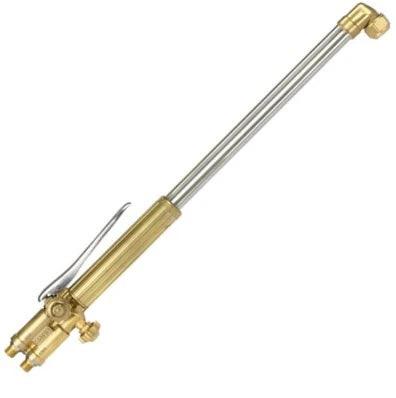
    Victorโ€™s ST900FC is a workhorse torch handle for oxy-fuel cutting and heating. Itโ€™s the current flow-control version of the classic 100-series design, built for reliability in fabrication shops, maintenance departments, and field repair work. This guide covers specs, performance details, and selection notes for welders and fabricators.


    Key Takeaways

    • Heavy-duty Victor 0381-1621 torch assembly
    • Part of Victorโ€™s ST900FC line with built-in Flash-Guardยฎ check valves
    • Compatible with standard Victor cutting attachments (CA1350, CA2460 series, etc.)
    • Brass body, high-flow valves, rugged construction for shop or field use
    • Solid choice for oxy-fuel cutting, gouging, and preheat/heating work

    What the ST900FC Solves

    1. Flashback protection

    Built-in Flash-Guardยฎ check valves help meet OSHA/ANSI recommendations for flashback prevention.

    2. Consistent flow control

    High-flow needle valves allow smoother oxygen/fuel metering than older economy torch bodies.

    3. Shop-grade durability

    Brass body and metal valve assemblies handle frequent usage, heat cycling, and impacts better than light-duty consumer torches.


    Specs (per manufacturer data)

    • Model: Victor ST900FC
    • Part Number: 0381-1621
    • Body Material: Brass
    • Valves: High-flow needle valves
    • Safety: Integrated Flash-Guardยฎ check valves
    • Fuel Compatibility: Oxy-acetylene (primary), oxygen/propane with proper tips
    • Use Case: Cutting, heating, light gouging (with appropriate equipment)

    Unknown specs: Overall length, maximum pressure ratings, included tip(s), packaging weight.
    Verify: Victor spec sheet, ESAB/Victor product catalog, distributor listings.


    Performance Notes

    • Smooth oxygen/fuel adjustment for precise flame shaping
    • Stable during sustained cutting and heating
    • Good ergonomics and heat dissipation for extended shop use
    • Works well with Victorโ€™s 000โ€“6 cutting tips for mild steel plate
    • For propane use, ensure propane-rated tips are installed

    Where to Buy

    ArcWeld Store (preferred):

    Amazon

    Last update on 2026-07-14 / Affiliate links / Images from Amazon Product Advertising API


    Disclosure: This article contains affiliate links. As an Amazon Associate, I earn from qualifying purchases.


    Comparison Table

    ModelKey SpecsBest For
    Victor ST900FC (0381-1621)Brass body, Flash-Guard check valves, high-flow valvesOxy-fuel cutting & heating

    Safety Notes (ANSI/AWS References)

    • Use flashback arrestors or check valves per ANSI Z49.1 and OSHA 1910.253.
    • Open oxygen valves slowly to avoid pressure shock.
    • Purge hoses before lighting the torch.
    • Wear Z87.1-rated eye/face protection.
    • Use fuel-specific tips โ€” propane tips differ from acetylene tips.

    FAQ

    Does the ST900FC include a cutting attachment?
    Yes, because this is a one piece torch. Most boxed assemblies include only the torch handle. Cutting attachments are typically sold separately.

    Is it compatible with my existing Victor tips?
    Yes โ€” when used with the correct Victor cutting attachment. It uses 1 Series tips.

    Can I run propane?
    Yes. Use propane-rated cutting/heating tips and proper hose ratings.

    Is this considered a heavy-duty torch?
    Yes. The ST900FC is in Victorโ€™s heavy-duty line.

  • Victor 0781-3628 EDGE 2.0 Regulator Review & Guide’

    Victor 0781-3628 EDGE 2.0 Regulator Review & Guide’

    Victor 0781-3628 EDGE 2.0 Regulator Review & Guide

    Note for Readers: This post may contain affiliate links. If you purchase through them, we may earn a small commission at no cost to you. Thank you for supporting our site.

    Introduction

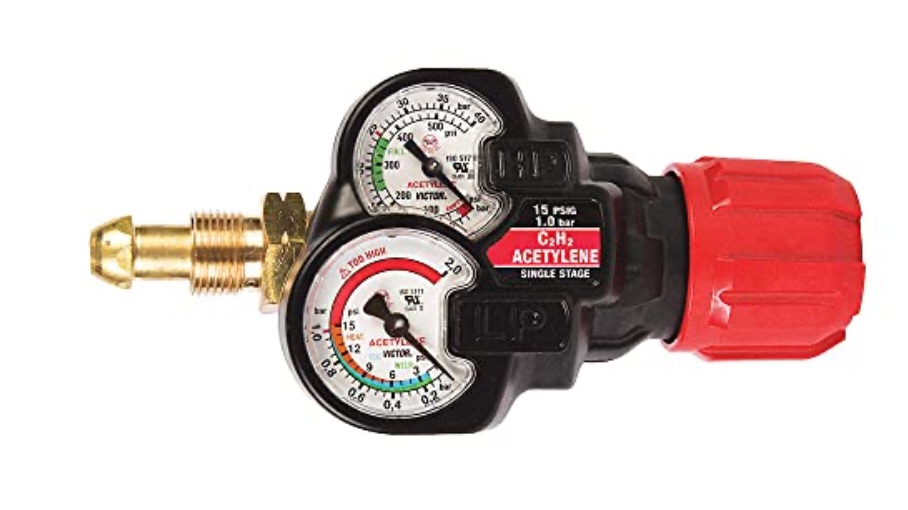
    The Victor 0781-3628 ESS32-15-510 EDGE 2.0 Regulator is a high-performance single-stage Acetylene regulator engineered for reliability, precision, and safety in welding and cutting operations. Designed as part of the EDGE 2.0 series, this regulator is trusted by professional welders, metal fabricators, technicians, and industrial maintenance crews for its excellent pressure control and rugged build.

    Welding gases, especially Acetylene, must be regulated precisely for safety and performance. The Victor EDGE 2.0 regulator ensures accurate gas delivery, making it essential for processes like oxy-fuel cutting and gas welding, where stable flow rates are critical for flame control and consistent results.

    Whether you’re a student learning oxy-fuel welding techniques, a fabrication shop owner, or a pipefitter on-site, the Victor 0781-3628 delivers dependable regulation and advanced safety features in high-demand conditions.

    Types / Variants / Models

    The Victor EDGE 2.0 line includes several regulators designed for different gases and connection types. The 0781-3628 (ESS32-15-510) model focuses specifically on acetylene use and features a CGA-510 inlet connection.

    Here are common variants in the EDGE 2.0 ESS32 series:

    Victor 0781-3628 ESS32-15-510
    Gas: Acetylene
    Inlet Connection: CGA-510
    Max Delivery Pressure: 15 PSI
    Best for: General-purpose welding, cutting, heating in fabrication environments.

    Victor 0781-3627 ESS32-510
    Gas: Acetylene
    Inlet Connection: CGA-510
    Used alongside the 0781-3626 for oxy-acetylene setups.

    Victor EDGE 2.0 Argon/CO2 Regulators
    – Tailored for shielding gases in GMAW (MIG) and GTAW (TIG) welding applications.

    The 0781-3628 is optimized for use with Acetylene cylinders and pairs with oxygen regulators for balanced and safe operation in oxy-fuel torches.

    Key Features or Specifications

    The Victor 0781-3628 EDGE 2.0 regulator is engineered for performance, precision, and durability. Hereโ€™s what sets it apart:

    Gas Type: Acetylene
    – Designed for high-flow acetylene applications in cutting and welding.

    Inlet Connection: CGA-510
    – Commonly found on standard industrial acetylene cylinders in the U.S.

    Delivery Pressure Range: 1-15 PSI
    – Ideal for acetylene fuel cutting, light to heavy-duty brazing, and machine torch setups.

    Gauge Type: Dual 2-inch gauges with high-contrast color-coded dials
    – Provides clear visibility of cylinder pressure and delivery pressure, even in low-light environments.

    Housing: Forged brass body with zinc-aluminum cap
    – Delivers strength and corrosion resistance suitable for heavy industrial use.

    Diaphragm: Fabric-reinforced neoprene
    – Offers stable pressure control and responsiveness, especially in variable temperature conditions.

    Safety: Built-in SLAMโ„ข (Shock Limitation and Minimization) technology
    – Protects gauges and regulator internals from impact for extended longevity and reliability.

    Weight: Approx. 3 lbs
    – Heavy-duty yet portable, suitable for mobile welding units and shop setups.

    Certifications: Meets industry standards like ANSI Z49.1, with stringent manufacturing quality controls. Victor products are also known to be CE compliant and AWS (American Welding Society) recommended.

    Usage & Compatibility

    The Victor EDGE 2.0 0781-3628 is primarily used in oxy-fuel cutting, welding, and brazing processes. It is compatible with:

    Processes:
    SMAW (Shielded Metal Arc Welding): For preheating or post-weld heat treating using torch heating.
    GMAW / FCAW: When combined with fuel gases for flame-cutting prep.
    GTAW (TIG): Occasionally used for heating applications alongside TIG for thick metal prep.
    Oxy-Acetylene Welding and Cutting: The most common use-case scenario, pairing the 0781-3628 with an oxygen regulator.

    Torch Compatibility:
    – Compatible with Victor journeyman torch sets, Harris-type tips, and general oxy-fuel torch outfits.

    Cylinders:
    – Works with standard industrial-sized acetylene tanks with a CGA-510 fitting.

    Pros:
    – Excellent gauge readability and safety design.
    – Stable, accurate delivery pressure control.
    – Extremely durable for harsh job site conditions.

    Cons:
    – Heavier than some budget regulators (due to durable casing).
    – Slightly more expensive, but justifiable by performance and lifespan.

    Common Applications

    The Victor 0781-3628 is relied upon in a variety of professional and industrial settings, particularly where precision and safety are paramount:

    Metal Fabrication Shops
    – Acetylene delivery for cutting thick plate steel, structural beams, and prepping weld joints.

    Field Welding & Pipelines
    – Durable enough for on-site welding and cutting in demanding environments.

    Trade Schools & Welding Education
    – Provides students with tools that mirror professional-grade standards, preparing them for industry work.

    Industrial Maintenance & Repair
    – Used for steel structure repairs, flange bolt removal via acetylene heating, and dismantling operations.

    Its robust design, precision control, and wide delivery pressure range make it ideal for both stationary setups and mobile welding units.

    Tips & Best Practices

    To get the most out of your Victor 0781-3628 EDGE 2.0 regulator, follow these tips:

    Setup:

    – Always attach to an upright cylinder and use a wrench appropriate for CGA-510 fittings.
    – Crack the cylinder valve briefly before connecting to blow out debris.
    – Gradually open the acetylene valve; do not force open fully in one turn.

    Usage:

    – Use in well-ventilated areas and ensure hoses and flashback arrestors are in good condition.
    – Monitor gauge readings frequently, especially in high-heat environments.
    – Use a compatible acetylene regulator and appropriate torch tip for balanced flame characteristics.

    Maintenance:

    – Store regulators in protective cases or upright when not in use.
    – Periodically inspect for gas leaks using soapy water (never a flame).
    – Avoid dropping or hitting the regulator to protect internal calibration and integrity.

    Troubleshooting:

    Erratic Pressure: May indicate diaphragm wearโ€”time for service or replacement.
    Leak at CGA-510 Inlet: Check for damaged threads or missing sealing washer.
    – (Incomplete: max_output_tokens)

  • Try Amazon Prime Free