Tag: MIG wire

  • Why Your MIG Weld Has Porosity (and How to Fix It Fast)

    Porosity in MIG welding shows up as pinholes or small voids in the weld bead. It weakens the weld and usually points to shielding gas failure or contamination. This guide breaks down the exact causes and the fastest way to fix it using proper setup and wire selection.

    Key Takeaways

    • Porosity is caused by poor shielding gas coverage or contamination
    • Dirty metal and bad wire are the most common causes
    • Gas flow, nozzle condition, and wire choice fix most issues
    • ER70S-6 wire helps reduce porosity on less clean steel

    What Causes MIG Weld Porosity

    Porosity occurs when atmospheric gases get trapped in the weld pool as it solidifies. In MIG welding, shielding gas is supposed to prevent this. When coverage fails, defects form.

    • Low shielding gas flow
    • Wind or airflow disrupting gas
    • Dirty or oily metal
    • Rusty or contaminated wire
    • Improper stickout or angle
    • Clogged nozzle or diffuser

    How to Fix MIG Porosity

    • Set gas flow to 20โ€“30 CFH (verify for your setup)
    • Keep stickout around 3/8โ€โ€“1/2โ€
    • Clean metal to bare steel
    • Check for gas leaks
    • Replace worn nozzle or diffuser
    • Switch to ER70S-6 wire if needed

    Recommended Wire for Reducing Porosity

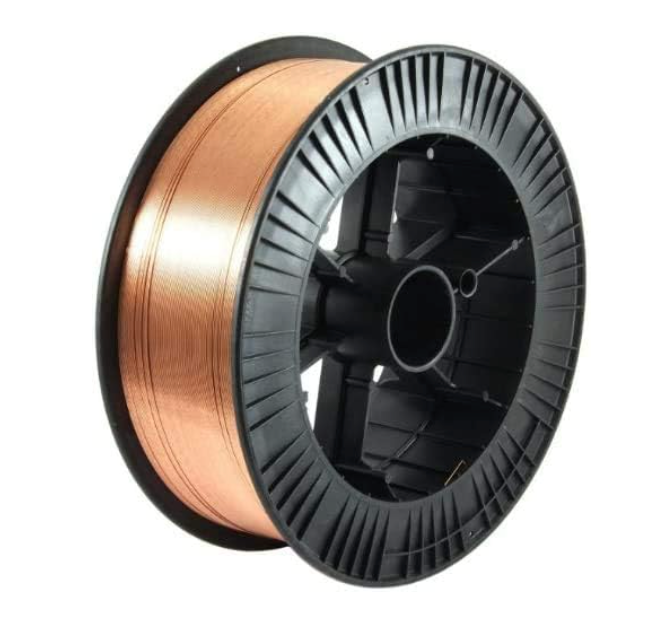
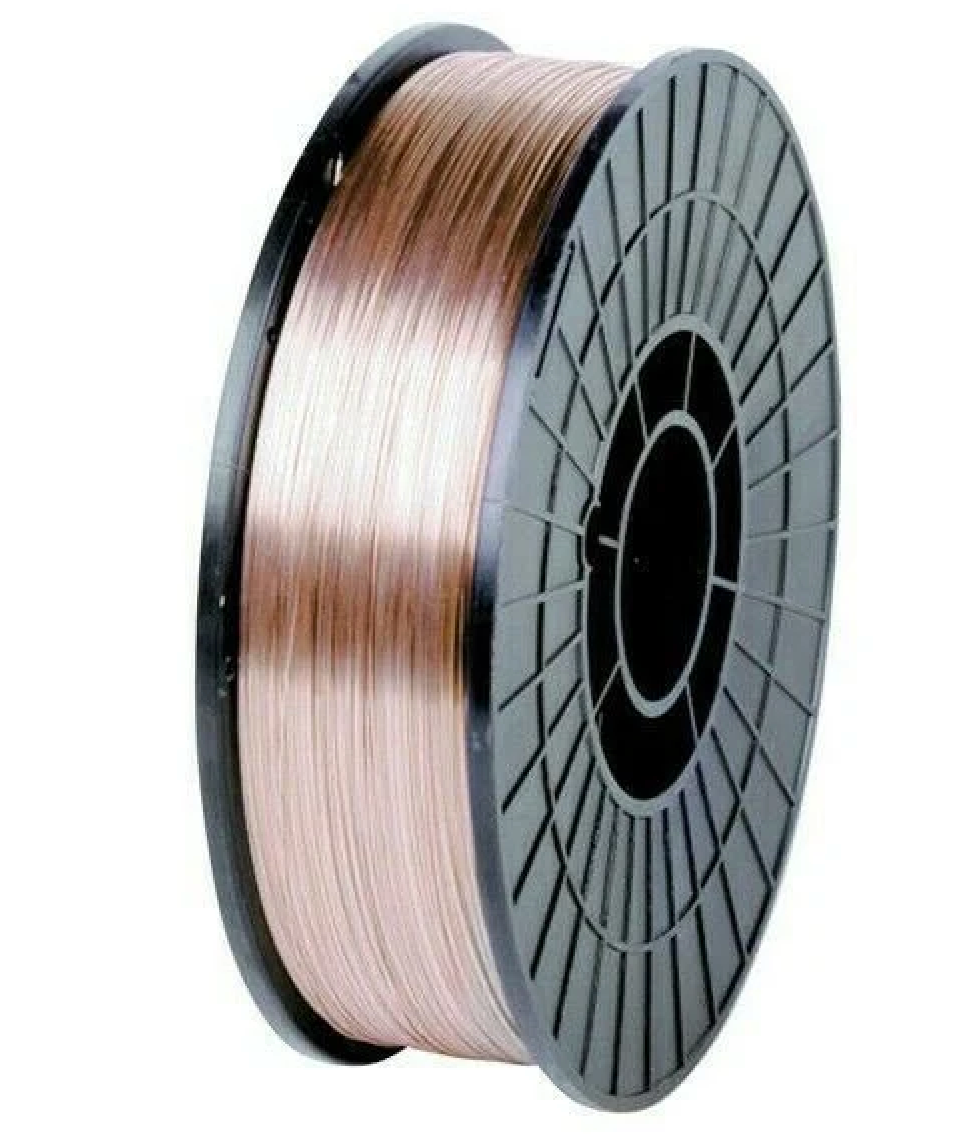
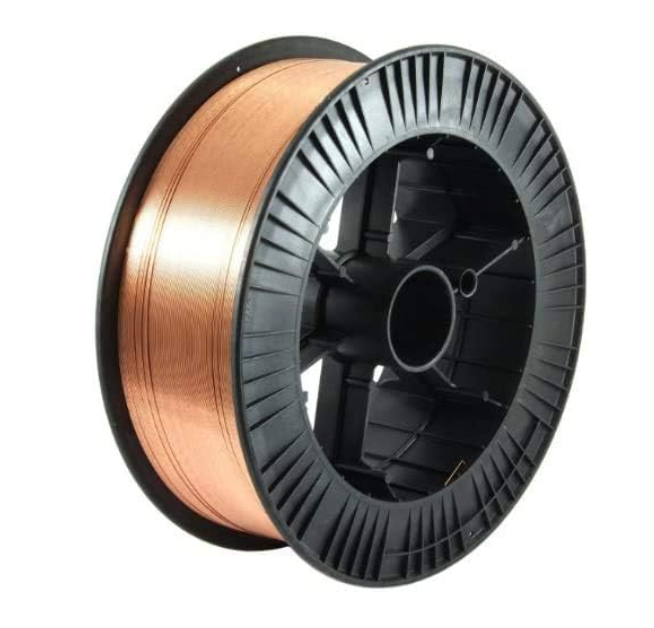
    Hobart ER70S-6 MIG Welding Wire (.030โ€)


    Type: Solid MIG wire

    Diameter: .030โ€

    Material: Mild steel

    Deoxidizers: Higher than ER70S-3

    Specs: Unknown (Verify)

    Hobart H305406-R22 10-Pound ER70S-6 Carbon-Steel Solid Welding Wire, 0.030-Inch
    • Carbon-steel sound, porosity-free welds with powerful deoxidizers for your work with shielding gases.
    • Great for construction work, farm implement fabrication, shaft buildup, tanks, truck bodies and general shop applications with poor fit-up or rusty, oily plates.
    • 10-Pound spool
    • Country of Origin: Made in China

    Last update on 2026-06-05 / Affiliate links / Images from Amazon Product Advertising API


    ER70S-6 wire is more forgiving on dirty steel and helps reduce porosity compared to ER70S-3.

    Gas Flow Setup

    • Typical: 20โ€“30 CFH (verify)
    • Too low = poor coverage
    • Too high = turbulence
    • Avoid drafts when welding

    Wire Comparison

    WireKey DifferenceBest Use
    ER70S-6More deoxidizersDirty steel
    ER70S-3Cleaner arcClean material

    Safety Notes

    Use ANSI Z87.1 compliant eye protection and proper PPE. Ensure ventilation and follow AWS welding safety guidelines.

    FAQ

    Q: Can too much gas cause porosity?
    A: Yes. It can create turbulence and pull in air.

    Q: Does wire matter?
    A: Yes. ER70S-6 is more forgiving on dirty steel.

    Next Step

    Check your gas flow and nozzle first. If needed, switch to ER70S-6 wire and clean your material before welding.

  • MIG Welding Wire Selection Guide 2025 | ER70S-6 vs ER70S-3 Specs

    MIG Welding Wire Selection Guide 2025 | ER70S-6 vs ER70S-3 Specs

    MIG wire selection affects weld quality, spatter levels, and penetration depth. Choosing the right wire depends on base metal composition, surface condition, and shielding gasโ€”not just diameter and tensile strength.

    Common MIG Wire Classifications

    ER70S-6 (Most Common)

    • Deoxidizers: Manganese, silicon
    • Tensile strength: 70,000 PSI minimum
    • Best for: Dirty or rusty steel, single-pass welds, general fabrication
    • Shielding gas: 75/25 Ar/COโ‚‚ or 100% COโ‚‚
    • Spatter level: Moderate

    ER70S-3

    • Deoxidizers: Lower manganese and silicon than ER70S-6
    • Tensile strength: 70,000 PSI minimum
    • Best for: Clean steel, multi-pass welds, automotive sheet metal
    • Shielding gas: 75/25 Ar/COโ‚‚ (100% COโ‚‚ not recommended)
    • Spatter level: Low

    ER308L (Stainless Steel)

    • Composition: 19-21% chromium, 9-11% nickel
    • Best for: 304/304L stainless steel
    • Shielding gas: 90/10 Ar/COโ‚‚ or tri-mix (He/Ar/COโ‚‚)
    • Corrosion resistance: Excellent

    ER316L (Stainless Steel)

    • Composition: 18-20% chromium, 11-14% nickel, 2-3% molybdenum
    • Best for: 316/316L stainless, marine environments, chemical processing
    • Shielding gas: 90/10 Ar/COโ‚‚ or tri-mix
    • Corrosion resistance: Superior (molybdenum addition)

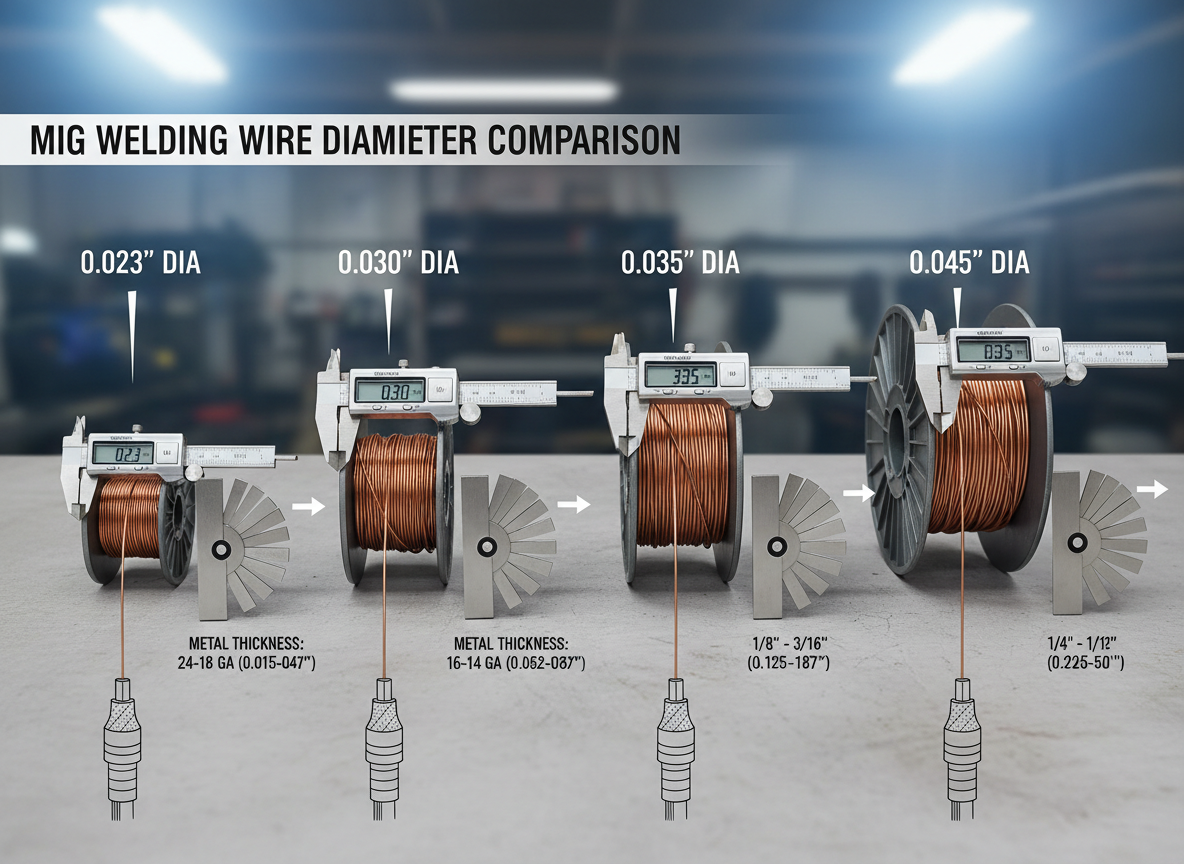
    Wire Diameter Selection

    DiameterAmperage RangeMaterial ThicknessTypical Use
    0.023โ€30-130A24-18 gaugeAutomotive sheet metal, thin tubing
    0.030โ€40-145A18-14 gaugeGeneral fabrication, light structural
    0.035โ€50-180A14 gauge-1/4โ€Most common all-purpose size
    0.045โ€75-250A1/4โ€-1/2โ€Heavy structural, thick plate
    0.052โ€100-300A1/2โ€+Industrial fabrication, heavy equipment

    Rule of thumb: Thinner wire = better control on thin material. Thicker wire = faster deposition on heavy plate.

    Shielding Gas Impact on Wire Performance

    75/25 Argon/COโ‚‚ (C25)

    • Pros: Low spatter, smooth arc, good bead appearance
    • Cons: Higher cost than 100% COโ‚‚
    • Best for: ER70S-3, ER70S-6, stainless steel

    100% COโ‚‚

    • Pros: Deep penetration, low cost
    • Cons: Higher spatter, rougher arc
    • Best for: ER70S-6 on thick steel (not recommended for ER70S-3)

    90/10 Argon/COโ‚‚

    • Pros: Minimal spatter, excellent for stainless
    • Cons: Shallow penetration on carbon steel
    • Best for: ER308L, ER316L stainless wire

    Surface Condition Requirements

    Wire TypeMill ScaleLight RustHeavy RustClean Steel
    ER70S-6โœ“โœ“โœ“โœ“
    ER70S-3โœ—โœ—โœ—โœ“
    ER308Lโœ—โœ—โœ—โœ“
    ER316Lโœ—โœ—โœ—โœ“

    ER70S-6 advantage: Higher deoxidizers clean impurities during welding. ER70S-3 requires clean base metal to avoid porosity.

    AWS Filler Metal Specifications

    AWS A5.18 (Carbon Steel MIG Wire) – Covers ER70S-3, ER70S-6, and other carbon steel wires – Defines chemical composition, tensile strength, and elongation requirements

    AWS A5.9 (Stainless Steel MIG Wire) – Covers ER308L, ER316L, and other stainless wires – Specifies corrosion resistance and ferrite content

    Wire Storage & Handling

    Moisture Contamination – Causes: Porosity, hydrogen cracking – Prevention: Store in sealed containers with desiccant packs – Shelf life: 12 months (carbon steel), 6 months (stainless)

    Wire Feed Issues – Kinked wire = erratic arc and bird-nesting – Solution: Use proper spool tension and liner size

    Liner Compatibility

    Wire DiameterLiner Inside Diameter
    0.023โ€-0.030โ€0.030โ€-0.035โ€
    0.035โ€0.035โ€-0.045โ€
    0.045โ€0.045โ€-0.052โ€
    0.052โ€0.052โ€-0.062โ€

    Oversized liner = wire wander. Undersized liner = excessive friction and burnback.

    Common Mistakes

    Using ER70S-3 on rusty steel
    Low deoxidizers canโ€™t compensate for surface contamination. Result: porosity and weak welds. Use ER70S-6 or clean the base metal.

    Wrong liner size for wire diameter
    0.035โ€ wire in 0.045โ€ liner causes erratic feeding. Match liner to wire diameter within 0.005โ€-0.010โ€.

    Storing stainless wire without moisture protection
    Stainless wire absorbs moisture faster than carbon steel. Always use sealed containers with desiccant.

    Buying Checklist

    • โœ“ Wire classification matches base metal (ER70S-6 for dirty steel, ER70S-3 for clean)
    • โœ“ Diameter suits material thickness and amperage range
    • โœ“ Shielding gas compatible with wire type
    • โœ“ AWS A5.18 or A5.9 certification marked on spool
    • โœ“ Liner size matches wire diameter
    • โœ“ Storage container includes moisture protection
    • โœ“ Spool size fits your machine (2 lb, 10 lb, 33 lb, 44 lb)

Try Amazon Prime Free