Hypertherm 220674 Plasma Cutting Shield – T45v Hand Cutting Shield, 1 Pack
$26.34
In Stock
View Product
$26.34
In Stock
View Product
If a plasma cutter is not piercing cleanly, the usual cause is a setup problem rather than a major machine fault. Start with air quality, consumable condition, ground connection, torch angle, and pierce technique. Small errors in any of these areas can leave a ragged start, excessive dross, or a failed pierce.
Plasma cutting depends on clean, dry, correctly regulated air. Low pressure can produce a weak, unstable arc. Water, oil, or heavy contamination can cause sputtering and poor pierce quality.
Worn or damaged consumables are a common reason a plasma cutter is not piercing cleanly. The electrode and nozzle must be in good condition for a focused arc.
Poor work return can make the arc start erratically and cause a messy pierce. The clamp must make solid metal-to-metal contact on clean material.
If the torch is too close, molten metal can blow back into the shield and nozzle. If it is too high, the arc can spread and fail to pierce cleanly.
Thick plate, rusty plate, painted plate, and galvanized material can make piercing harder. Start with a clean spot if possible. If the plate is thick, give the arc enough time to fully transfer before moving.
If air, consumables, and grounding are correct but the pierce still fails, inspect the torch body, leads, and machine output for damage. Intermittent cable faults, heat damage, or loose connectors can reduce performance.
When consumables or shielding parts are worn, replace them with the correct torch parts. For hand cutting shield support, see:
Introducing the Hypertherm 220674 Hand Cutting Shield, your essential companion for plasma cutting tasks. This high-quality plasma cutting shield is designed to protect both your workspace and yourself. Made by Hypertherm, a trusted name in plasma cutting technology, this product ensures superior performance and durability. The Hypertherm Hand Cutting Shield is perfect for both professionals and DIY enthusiasts. I…
View at Arc Weld StoreHypertherm 220674 Plasma Cutting Shield – T45v Hand Cutting Shield, 1 Pack
Use only if it matches the torch model and application. Compatibility for your machine is Unknown (Verify) unless confirmed by the torch manual or parts list.
Most often it is low air pressure, contaminated air, worn consumables, or poor ground contact.
Yes. A damaged or incorrect shield can affect arc focus and increase spatter. Verify the correct shield for the torch model.
Only if the torch and process are designed for drag operation. Otherwise, maintain the correct standoff distance and start upright. Unknown (Verify).
Check air pressure, replace visibly worn consumables, and clean the ground point. Those three checks solve many start-up problems.

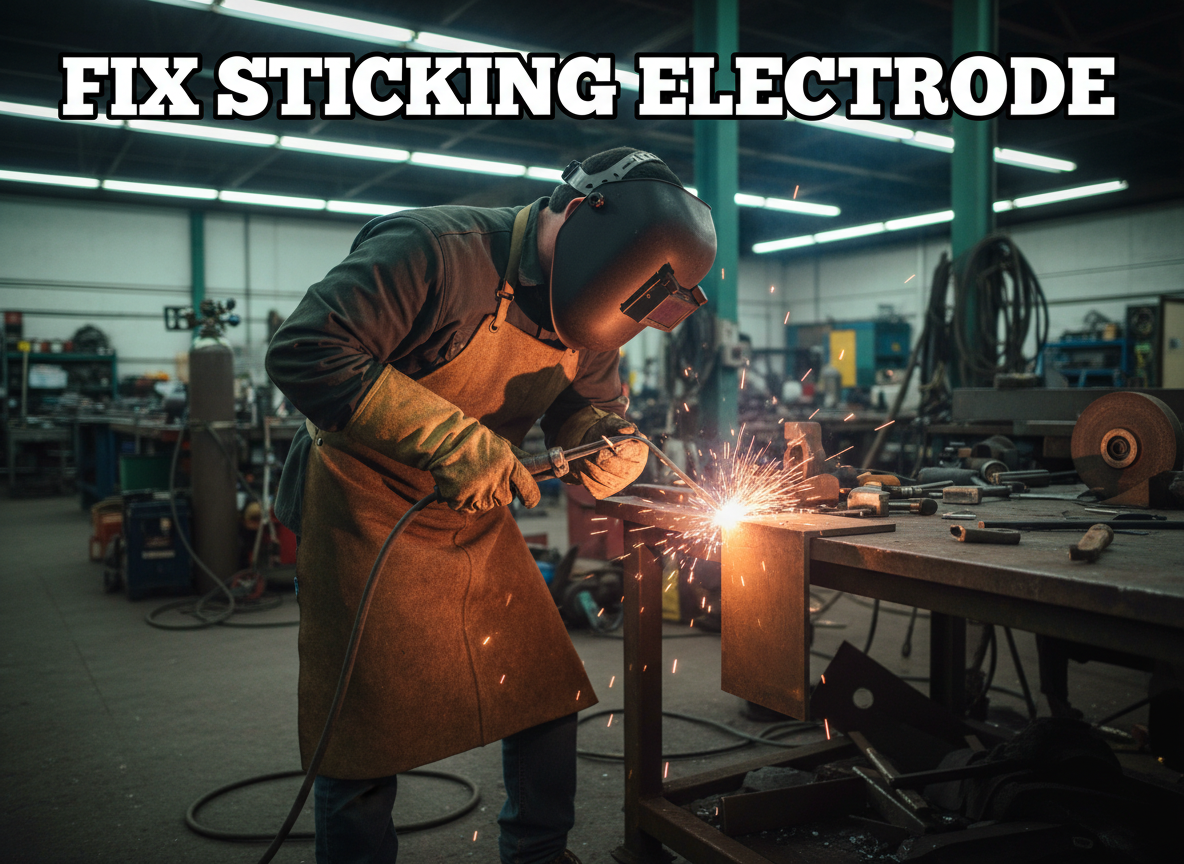
Your electrode sticks to the workpiece, the arc dies, and you’re left wrestling with the rod. This is one of the most common stick welding problems—and it’s fixable. Low amperage, poor ground connection, and contaminated metal are the usual culprits. Here’s how to diagnose and fix it fast.
What you’re seeing:
Likely causes (ranked by frequency):
Step 1: Check Your Amperage (FREE)
Step 2: Inspect Your Ground Clamp ($0–$40)
Step 3: Dry Your Electrodes ($5–$15)
Step 4: Clean Your Workpiece ($0–$20)
Step 5: Check Your Electrode Holder ($15–$50)
1. Adjustment (FREE)
2. Consumable Change (~$10–$50)
3. Part Replacement (~$15–$50)
A quality electrode holder ensures consistent jaw grip and reliable current flow. The YESWELDER Welding Electrode Holder is a solid upgrade that prevents many sticking issues caused by poor contact.
Why it works:
When to use it:
When NOT to use it:
Last update on 2026-06-26 / Affiliate links / Images from Amazon Product Advertising API
Lincoln Electric Industrial 200 Amp Electrode Holder – Premium option with copper alloy jaw and ergonomic handle. Best for professional/production work. ~$27.
Reboot 300AMP Electrode Holder – Budget-friendly, heavy-duty. Good for occasional use. ~$15–$18.
Q: Why does my electrode stick even at high amperage? A: Check your ground clamp. A loose or corroded clamp prevents current flow, regardless of amperage. Clean and tighten it.
Q: Can damp electrodes cause sticking? A: Yes. Moisture in the flux coating weakens arc initiation. Store rods in a dry oven or sealed container.
Q: How do I know if my ground clamp is bad? A: Look for corrosion, loose connections, or a worn jaw. If the clamp won’t tighten or the jaw is cracked, replace it.
Q: Is sticking dangerous? A: Yes. A stuck electrode can cause sudden arc flare-ups and spatter. Always wear proper PPE and disconnect power if you need to free a stuck rod.
Q: What’s the best amperage for 1/8″ 7018 rod? A: 90–110A. Check your rod box for the manufacturer’s recommendation—it varies by brand and coating.
Related troubleshooting guides:
Upgrade your setup:
For more welding fixes and gear options, see our full resource page: https://blog.weldsupportparts.com/links/