Tag: goatskin gloves

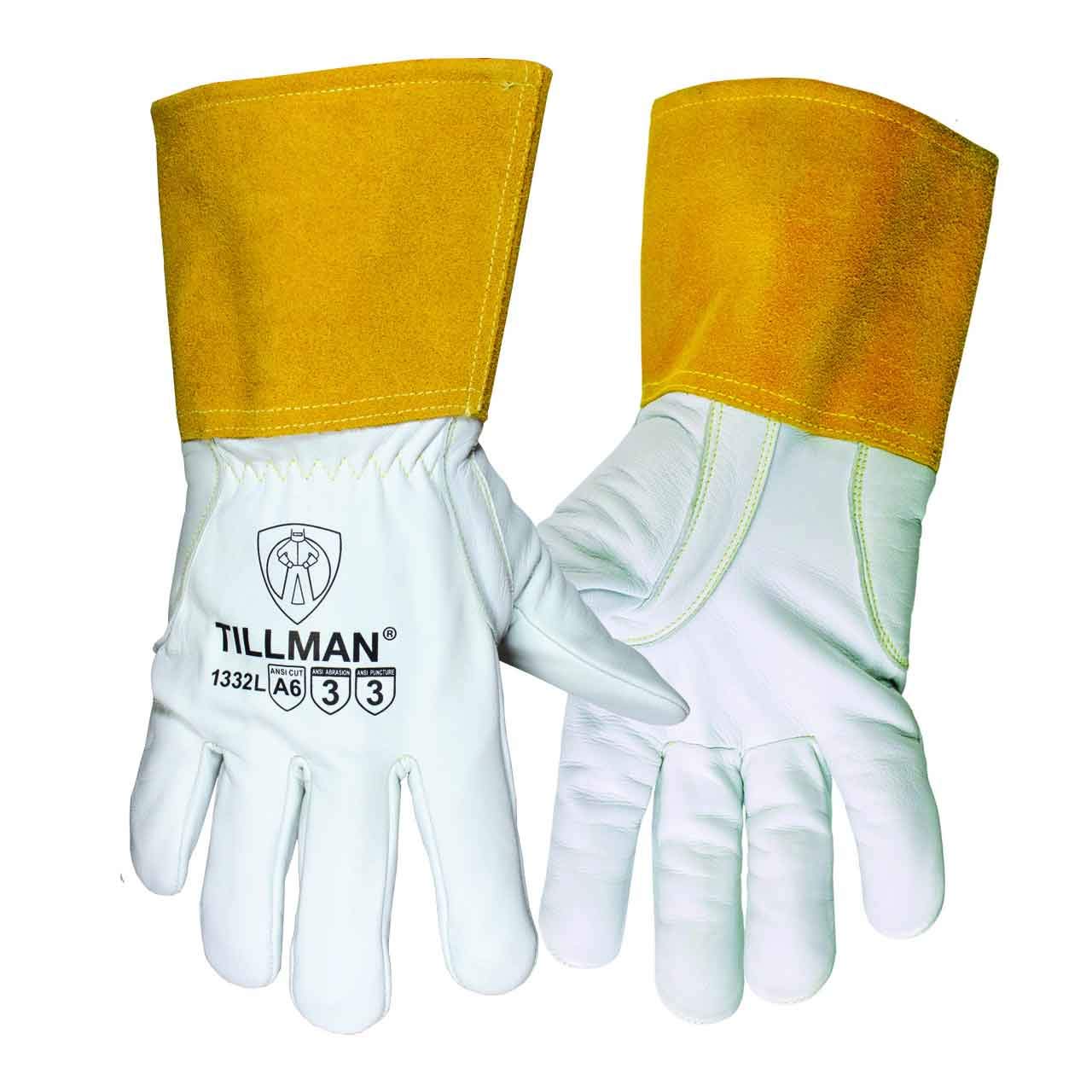
  • Tillman 1332 Premium Goatskin TIG Gloves with ANSI A6 Cut Resistance, Large: Product Breakdown

    Tillman 1332 Premium Goatskin TIG Gloves with ANSI A6 Cut Resistance, Large: Product Breakdown

    Product not found.
    “>Tillman 1332 Premium Goatskin TIG Gloves with ANSI A6 Cut Resistance, Large

    The Tillman 1332 Premium Goatskin TIG Gloves with ANSI A6 Cut Resistance, Large are positioned for welders who need a glove that supports fine control during TIG work while adding a higher level of cut protection for handling sharp material. For shops that move between setup, fit-up, light fabrication, and torch work, the practical question is not just whether the glove feels good in hand. It is whether the glove helps reduce cuts, supports grip, and still lets the user feel the work.

    This breakdown stays focused on what matters in the shop: fit, dexterity, cut resistance, use-case fit, and what to check before putting the gloves into rotation. Some technical details are not confirmed in the provided source material, so those are marked Unknown (Verify).

    Key Takeaways

    • Premium goatskin is selected for softness and flexibility, which supports fingertip control during TIG work.
    • ANSI/ISEA 105 A6 cut resistance is a meaningful indicator for handling sharp sheet edges and fabricated parts, but it does not make the glove cut-proof.
    • Large size may improve comfort for some users, but fit should be checked at the fingers, palm, and cuff before production use.
    • This glove is best viewed as a TIG support glove for handling and setup tasks, not as a replacement for task-specific PPE where higher heat or impact exposure exists.

    What the Glove Is Built to Do

    Based on the provided product description, the Tillman 1332 is intended to balance dexterity with cut resistance. That matters in TIG environments because the operator often handles sharp coupons, tacked assemblies, clamps, filler rod packaging, and sheet material before the arc is ever started. A glove that is too bulky can slow fit-up and reduce control. A glove that is too light may expose the hand to edge cuts during handling.

    Premium goatskin is commonly used where softness and tactile feel matter. In practical terms, that can help with torch handling, small part manipulation, and general shop work. The cut-resistance claim is the main differentiator here. ANSI/ISEA 105 A6 indicates a high cut-resistance level relative to lower-rated gloves, but it should still be treated as a risk reduction feature, not a guarantee.

    Practical Check, Inspect, Verify Steps

    Before assigning these gloves to a welder or fabricator, use the following checks.

    Check

    • Check glove size against the user’s hand. Large should not collapse at the fingertips or create excess material in the palm.
    • Check whether the glove allows normal torch grip, trigger control, and filler rod handling without forcing the wrist into an awkward angle.
    • Check whether the work includes frequent handling of sharp edges, burrs, or sheet metal where cut resistance is relevant.

    Inspect

    • Inspect stitching, seams, and finger gussets before first use.
    • Inspect the palm and fingertips for weak spots, finish defects, or early wear.
    • Inspect for contamination from oil, grinding dust, or metal fines that could affect grip.

    Verify

    • Verify the glove meets the internal task requirement for the job. If the job includes heavy heat exposure, grinding sparks, or severe abrasion, Unknown (Verify) if this glove is the correct PPE choice.
    • Verify the cut hazard present at the workstation. A6 helps, but the user still needs safe handling methods.
    • Verify local PPE rules, supervisor approval, and task-specific risk assessment before broad rollout.

    Troubleshooting and Support Considerations

    If a user reports that the glove is not performing well, start with the work conditions rather than the glove alone.

    If dexterity feels too low

    • Check whether the glove is the correct size.
    • Inspect for excessive break-in stiffness or contamination.
    • Verify whether the task requires finer control than a cut-resistant glove can comfortably support.

    If cut protection still appears inadequate

    • Check the actual hazard: sharp edges, burrs, or unfinished parts can exceed the user’s handling technique.
    • Inspect the glove for wear through the fingertips or palm.
    • Verify whether a different control method, part deburring step, or higher-protection PPE is needed.

    If grip is inconsistent

    • Check for oil, coolant, or fine dust on the glove surface.
    • Inspect whether the material is worn smooth from repeated handling.
    • Verify that the glove is being used for the right task; a glove designed for TIG support may not suit wet or heavily abrasive conditions.

    Product and Parts Notes

    This draft is based on the provided ArcWeld product listing for the Tillman 1332 Premium Goatskin TIG Gloves with ANSI A6 Cut Resistance, Large. The available description indicates premium goatskin construction and ANSI/ISEA 105 A6 cut resistance. Other technical details such as liner content, cuff style, insulation, and heat-rating claims are Unknown (Verify) because they were not supplied in the source material.

    Use the product page as the primary reference when confirming whether the glove is suitable for a given TIG workflow, especially if the user is selecting gloves for production work, maintenance outages, or repetitive handling of cut metal.

    Related product reference:

    Tillman 1332 Premium Goatskin TIG Gloves with ANSI A6 Cut Resistance, Large

    Tillman 1332 Premium Goatskin TIG Gloves with ANSI A6 Cut Resistance, Large

    The Tillman 1332 Premium Goatskin TIG gloves are built for welders who need a balance of dexterity and serious cut protection during TIG setup, handling sharp material, and light fabrication work. Made with premium goatskin for a soft, flexible feel, these gloves are designed to maintain fingertip control while adding ANSI/ISEA 105 A6 cut resistance to help reduce risk when working around sheet metal edges and bur…

    View at Arc Weld Store

    For users comparing glove styles, the internal article below may help as a related reference point for goatskin glove construction in TIG or MIG support work:

    How Maintenance Buyers Should Evaluate This Glove

    Maintenance buyers should treat this glove as a task-specific hand protection option for light fabrication, TIG setup, and material handling where cut resistance matters. The first filter is the actual hand hazard at the jobsite. If the main risk is sharp edges, the A6 rating is relevant. If the main risk is thermal exposure or heavy abrasion, additional review is needed.

    Use a short pilot test with real users. Ask three things: does the glove fit correctly, does it preserve torch control, and does it reduce nuisance cuts during handling? Those answers are more useful than a catalog description alone.

    Safety Notes

    • Cut-resistant gloves reduce risk; they do not eliminate it.
    • Keep hands away from sharp edges, moving parts, and hot surfaces.
    • Do not assume a TIG glove is suitable for grinding, heavy heat, or every fabrication task.
    • Replace gloves that show wear, seam damage, or loss of dexterity.
    • Follow site PPE rules and task hazard analysis before use.

    FAQ

    Is the Tillman 1332 glove meant only for TIG welding?

    No. Based on the source description, it is best suited for TIG support work and handling tasks where dexterity and cut resistance matter. Exact task limits are Unknown (Verify).

    Does ANSI A6 mean the glove is cut-proof?

    No. ANSI/ISEA 105 A6 means the glove has a high cut-resistance level, but sharp edges and improper handling can still cause injury.

    Can this glove replace general welding PPE?

    No. It should be evaluated as one part of the PPE program. Other hazards such as heat, sparks, abrasion, and impact may require different protection.

    What should I verify before buying for a crew?

    Verify fit, task compatibility, and site PPE requirements. Also verify whether users need more heat resistance or more abrasion resistance than this glove is intended to provide.

    Sources Checked

    Note: No WSP lookup page or filler metal finder page was provided for this draft. No assumptions were made about certifications, compatibility, pricing, or availability.

    Related Weld Support Guides

  • Tillman 1477 TrueFit Cut Resistant Premium Goatskin Performance Gloves, Large: Replacement Part Breakdown

    Welders and maintenance buyers do not need marketing language when selecting gloves. They need a glove that fits, holds up to the task, and is replaced before wear becomes a safety problem. The Tillman 1477 TrueFit Cut Resistant Premium Goatskin Performance Gloves, Large, should be evaluated the same way: by fit, stitch integrity, palm wear, finger wear, and whether the glove still supports the job without reducing dexterity.

    This guide is a practical breakdown for inspection, replacement, and support decisions. It does not assume performance beyond what is verifiable from the product listing. Where technical details are not confirmed here, they are marked Unknown (Verify).

    Key Takeaways

    • Check fit first. A glove that is too loose can reduce grip control and catch on edges.
    • Inspect goatskin wear points before every shift: fingertips, thumb crotch, palm, and seams.
    • Replace gloves when liner exposure, seam opening, or palm thinning affects safe use.
    • Do not assume cut resistance equals protection from all hazards. Confirm the glove is appropriate for the task.
    • Use the product listing as a starting point for selection, then verify size and task fit in the field.

    Product and Part Breakdown

    The product identified for this guide is the Tillman 1477 TrueFit Cut Resistant Premium Goatskin Performance Gloves, Large, ASIN B08BSTWP7P. The listing name indicates a goatskin performance glove with cut-resistant construction, but detailed construction data such as liner material, reinforcement pattern, cuff length, and certification status are Unknown (Verify) from the information provided here.

    For maintenance buyers, the important part is not just the glove name. It is whether the glove matches the work envelope. Verify the following before placing into service:

    • Size: Large, as listed.
    • Hand fit: full finger reach without excess slack at fingertips.
    • Grip: dry-hand and tool-hand contact with no rolling in the palm.
    • Dexterity: ability to hold small consumables, torch leads, hand tools, and fasteners.
    • Coverage: verify cuff and wrist coverage for the specific job.

    If you need a product reference for the listing, use the approved product shortcode:

    No products found.

    . Do not use that as a substitute for inspection or task verification.

    Check, Inspect, Verify: Pre-Use Routine

    Check the glove condition before the shift starts. Look for dirt buildup, embedded metal splatter, cuts, and stiffness that can limit hand movement.

    Inspect the high-wear zones closely:

    • Fingertips for pinholes, split seams, or worn-through leather.
    • Thumb crotch for tearing from repeated clamp, rod, or tool handling.
    • Palm surface for thinning, glazing, or cracking.
    • Seams along the fingers and back of hand for opening stitches.
    • Cuff and wrist area for fraying or edge damage.

    Verify the glove still matches the job. If the glove is intended for welding support, confirm that the current task does not require a different glove type, longer cuff, or higher heat protection. Unknown (Verify) whether this glove is suited for direct welding arc exposure, heavy spatter, or prolonged high-heat contact. Do not assume.

    Troubleshooting Support for Wear and Fit Problems

    Problem: glove feels loose at the fingers.
    Check whether the glove is oversized or stretched from use. Inspect for material softening and finger tip collapse. Verify that the user can still handle fasteners and torch controls without excess movement.

    Problem: grip feels slick.
    Inspect the palm surface for oil, coolant, grinding dust, or wear glazing. Clean the glove only if the care method is allowed by the manufacturer. If grip remains poor after cleaning, replace the glove.

    Problem: seam failure starts at the thumb or palm.
    Check for repetitive torque loads, tool carry habits, and pinch points. Verify whether a different glove style or reinforcement pattern is required. If the seam has opened, the glove is out of service.

    Problem: glove still looks usable but comfort dropped.
    Inspect for internal lining bunching, hardening from contamination, or shrinkage from cleaning or heat exposure. Verify whether the glove still allows full hand closure. Loss of comfort often shows up before visible failure.

    Replacement Decision Rules

    Replace the glove when any of the following are true:

    • There are holes, split seams, or exposed inner layers.
    • Leather has thinned enough that protection is reduced.
    • Finger movement is restricted by hardening or deformation.
    • Contamination cannot be removed and affects grip or handling.
    • The glove no longer fits the worker safely.

    For buyers managing stock, standardize replacement based on condition, not calendar time alone. A glove used for sharp edges, abrasive handling, or frequent tool contact will wear out faster than a glove used for light support tasks.

    How to Evaluate Before Buying

    Before placing this glove in a cart, verify three things: task fit, size fit, and replacement rhythm. Task fit means the glove suits the actual work. Size fit means the Large size works for the intended user without reducing control. Replacement rhythm means the glove can be inspected and removed from service before damage reaches the hand.

    If you are comparing this product to another Tillman glove style, use the related internal reference for context only: Tillman 48 MIG Gloves Review: Goatskin Fleece Comfort. That article is a separate product reference and should not be treated as a compatibility match for this glove.

    Safety Notes

    • Do not use damaged gloves for sharp-edge handling, hot work, or general shop tasks.
    • Verify the glove type against the hazard before use. Cut-resistant does not mean cut-proof.
    • Keep gloves free of oil and grinding residue where possible.
    • Remove from service if stitches open or leather is worn through.
    • Do not rely on a glove listing alone for compliance decisions.

    FAQ

    Is the Tillman 1477 suitable for welding?
    Unknown (Verify). The product name suggests performance use and cut resistance, but direct welding suitability, heat resistance, and spatter performance are not confirmed here.

    What should buyers check first on arrival?
    Check size marking, inspect seams, and verify that the glove has no shipping damage, contamination, or obvious manufacturing defects.

    When should the glove be replaced?
    Replace it when leather thins, seams open, holes appear, or fit changes enough to reduce control.

    Can this glove be treated as a universal shop glove?
    No. Verify the task. Different jobs may require different levels of dexterity, coverage, or thermal protection.

    Sources Checked

    • Provided Amazon product reference for Tillman 1477 TrueFit Cut Resistant Premium Goatskin Performance Gloves, Large, ASIN B08BSTWP7P
    • Provided internal link: Tillman 48 MIG Gloves Review: Goatskin Fleece Comfort

    This guide is intended as a field-use buying and inspection reference. Confirm any uncertain construction or performance details directly from the current product listing or manufacturer documentation before purchase or issue.

    Disclosure: As an Amazon Associate, Weld Support Parts may earn from qualifying purchases.

    Related Weld Support Guides

  • Tillman 1477 TrueFit Cut Resistant Premium Goatskin Performance Gloves, X-Large, Pack of (1 Pair): Replacement Part Breakdown

    The Tillman 1477 TrueFit Cut Resistant Premium Goatskin Performance Gloves are positioned as a hand protection option for welding support, fabrication handling, and general shop work where grip, dexterity, and abrasion resistance matter. For buyers and support teams, the practical question is not only whether the glove is comfortable, but whether the size, task match, and wear pattern fit the actual job.

    This guide breaks the product down from a maintenance and purchasing standpoint. It focuses on what to inspect, what to verify before use, and how to handle common fit and wear problems without guessing at specs that are not confirmed here.

    Key Takeaways

    • Use the glove for task fit, not only for brand name or material label.
    • Verify size on hand, thumb placement, and finger reach before assigning it to regular work.
    • Inspect seams, palm wear, fingertip wear, and closure condition before each shift.
    • Do not assume cut resistance equals cut proof. Treat the glove as a risk reduction layer, not a complete barrier.
    • If the glove is used around welding, grinding, or material handling, match it to the specific hazard profile of the job.

    What this product is for

    Based on the product listing, this is a premium goatskin performance glove with cut resistant positioning. That makes it relevant for work where the user needs better dexterity than a bulky rigging glove, but still needs hand protection from routine handling hazards. Exact performance ratings, construction details, and certification status are not confirmed here, so those points should be treated as Unknown (Verify).

    For buyers, the important part is application control. A glove like this can be appropriate for shop handling, light fabrication support, part movement, and general maintenance work. It may or may not be suitable for heat exposure, sharp edge contact, or process-specific welding tasks depending on the actual construction and ratings. Verify before issuing it to a crew.

    Fit and selection checks

    Because this listing is for X-Large, the first check is simple: make sure the size matches the worker’s hand dimensions and task needs.

    Check: Place the glove on the hand and close the fingers fully. The glove should not pull hard across the knuckles or pinch at the base of the fingers.

    Inspect: Finger length, thumb rotation, and palm width. If the fingertips crowd the ends or if the palm material bunches, dexterity will suffer.

    Verify: The user can grasp tools, parts, and filler materials without excess bunching or slippage. If grip control is inconsistent, size or glove style is wrong for the job.

    For replacement planning, one pair is a short-run supply item, not a bulk fleet solution. Maintenance buyers should verify whether the glove is being used as a primary work glove, a secondary backup pair, or a task-specific option for one operator.

    Inspection points before use

    Use a simple pre-use inspection routine. Do not skip it because the glove is “new.” Damage can happen in storage, shipping, or prior handling.

    Check seam lines: Look at the finger seams, thumb joins, and palm stitching. Any opening, fray, or loose thread should be treated as a wear indicator.

    Inspect the palm and fingertips: These are the first areas to fail in normal shop use. Thin spots, glazing, surface cuts, or hard abrasion marks mean the glove should be downgraded or removed from service.

    Verify closure and cuff condition: If the wrist area does not seat cleanly, the glove may shift during tool use. A shifting glove increases snag and pinch risk.

    Check dexterity after donning: Have the worker pick up a small part, turn a fastener, and open and close the hand several times. If the glove interferes with basic control, do not assign it to precision work.

    Troubleshooting common issues

    Issue: glove feels tight in the fingers.
    Check whether the size is wrong or the hand shape is not compatible with the pattern. Verify whether the user can fully close the fist without pressure points. If not, move up a size or change glove style.

    Issue: poor grip on smooth parts.
    Inspect for surface contamination such as oil, coolant, or dust. Verify whether the glove is clean and dry. If grip still falls off, the task may require a different palm finish or a dedicated handling glove.

    Issue: seam wear appears early.
    Check the work process. Repeated sharp-edge contact, dragging parts, or incorrect storage can shorten life. Verify whether the glove is being used for a more aggressive task than intended.

    Issue: fingertips wear faster than the rest of the glove.
    Inspect the part handling method. Pinching, sliding sheet edges, and repetitive pickup can create localized wear. Reassign the glove to lighter work or replace it if fingertip integrity is reduced.

    Replacement part breakdown for buyers

    For support teams, “replacement part breakdown” means identifying what can be monitored, what can be replaced by stock rotation, and what signals end of service.

    Wear items to monitor: palm surface, fingertips, thumb crotch, stitching, and cuff opening.

    Replace at first loss of integrity: if the glove develops holes, seam separation, torn fingertips, or a compromised grip surface.

    Stock control: keep spare pairs in the correct size range. Do not issue mismatched sizes and expect users to adapt.

    Usage control: keep this glove dedicated to the same hazard class when possible. Cross-use between grinding, welding support, and oily maintenance work can make wear harder to track.

    Related reference

    If you are comparing glove styles for shop use, see this related internal review: Tillman 48 MIG Gloves Review: Goatskin Fleece Comfort. Use it as a comparison point for fit and task assignment, not as a substitute for checking this specific listing.

    Safety notes

    • Do not treat any glove as complete protection against cuts, heat, sparks, or pinch points.
    • Verify task suitability before using the glove near welding arc exposure, hot metal, or rotating equipment.
    • Remove damaged gloves from service immediately.
    • Do not use a glove that reduces dexterity to the point that safe tool control is lost.
    • Keep gloves dry and clean where possible. Contaminants can reduce grip and hide damage.

    FAQ

    Is this glove automatically approved for welding work?
    No. The listing alone does not confirm process-specific approval. Verify task use, heat exposure, and any required protection level before assigning it to welding duties.

    Can I use this as a general shop glove?
    Possibly, if the fit is correct and the work hazard profile matches. Check grip, dexterity, and wear resistance in the actual task before standardizing it.

    What should I inspect first on a new pair?
    Inspect seams, fingertips, palm surface, and the cuff area. Then verify that the glove does not interfere with tool control.

    How do I know when to replace it?
    Replace it when you find holes, seam failure, torn fingertips, loss of grip control, or a fit problem that affects safe handling.

    Sources Checked

    • Provided Amazon product reference for Tillman 1477 TrueFit Cut Resistant Premium Goatskin Performance Gloves, X-Large, Pack of (1 Pair), ASIN B08BS68DH1.
    • Provided internal link: Tillman 48 MIG Gloves Review: Goatskin Fleece Comfort.

    Note: Product specifications not confirmed in the provided source set are marked Unknown (Verify).

    Matched Replacement Option

    No products found.

    Disclosure: As an Amazon Associate, Weld Support Parts may earn from qualifying purchases.

    Related Weld Support Guides

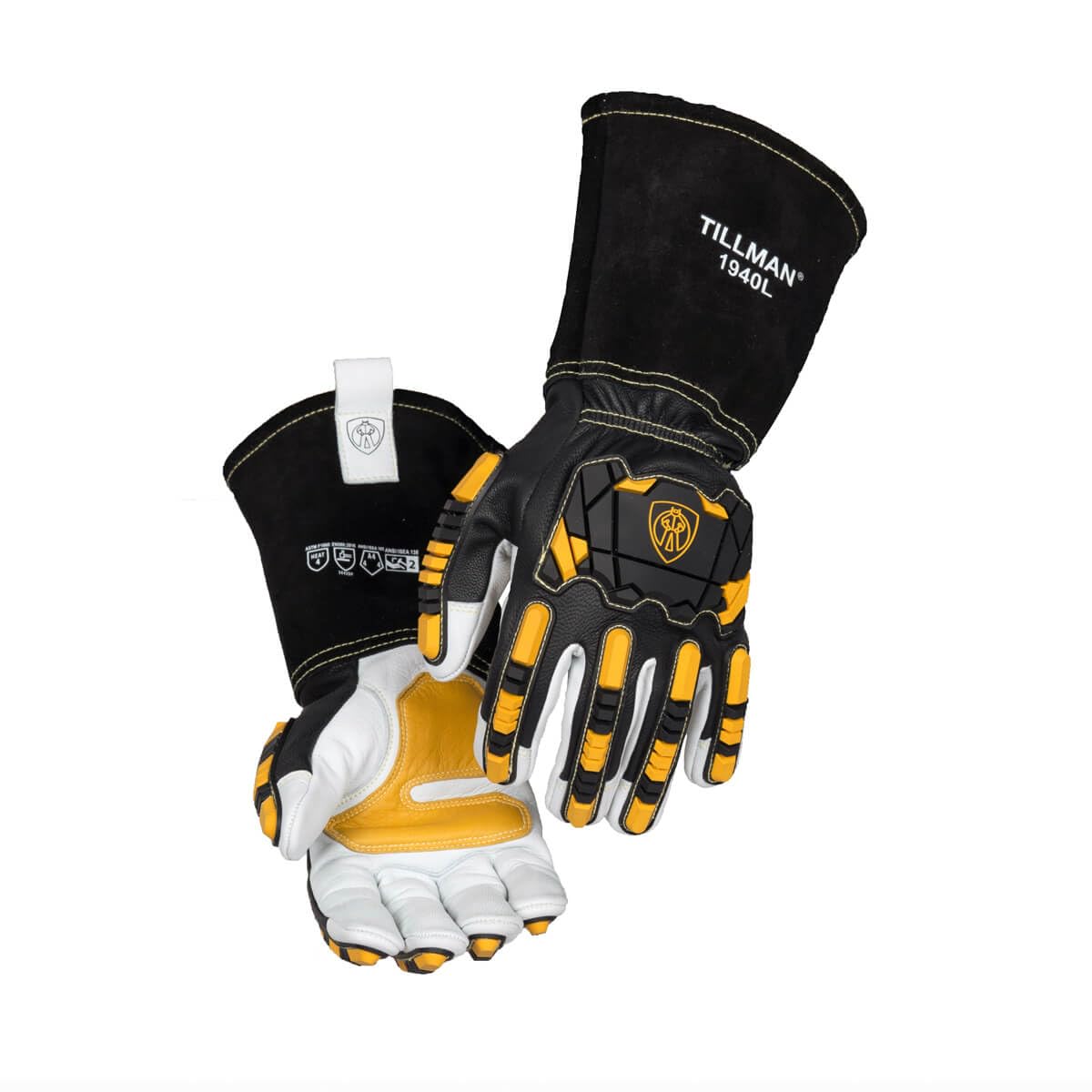
  • Tillman 1940 Impact Welding & Metalworking Glove Goatskin, Large: Product Breakdown

    Tillman 1940 Impact Welding & Metalworking Glove Goatskin, Large: Product Breakdown

    Product not found.
    “>Tillman 1940 Impact Welding & Metalworking Glove Goatskin, Large

    The Tillman 1940 Impact Welding & Metalworking Glove Goatskin, Large is positioned as a heavy-duty glove for welding and metalworking tasks where hand protection, grip, and impact resistance matter. For buyers and maintenance teams, the main question is not whether the glove looks rugged. The question is whether its construction, fit, and protection claims match the actual job hazards.

    This breakdown stays on the practical side. It covers the stated features, what to inspect before issuing the glove, and what to verify during use. If you are sourcing PPE for a shop, treat this as a purchase support guide, not a procedure approval document.

    Key Takeaways

    • Goatskin leather is typically used where dexterity and durability both matter.
    • The listed impact-rated design suggests added protection on the back of the hand and fingers, but exact impact coverage details are Unknown (Verify).
    • Stated cut, abrasion, and puncture resistance claims should be matched to the actual hazard profile before issue.
    • Water-resistant treatment, gauntlet cuff, and Kevlar stitching indicate a glove built for welding and general metal handling.
    • Size and hand fit still need to be checked at point of use. Protective gloves fail when the fit is wrong.

    Product Overview

    According to the available product information, this glove uses goatskin leather with a para-aramid and steel palm liner. It is described as impact-rated and designed for demanding welding jobs. The listed protection claims include A4 cut resistance and Level 4 abrasion and puncture resistance. Heat resistance is stated up to 500F. The glove is also described as Watershield treated, with a gauntlet cuff and Kevlar stitching.

    For a buyer, these are the details that matter most: leather type, liner type, heat claim, seam construction, and cuff style. Those elements determine how the glove may perform around hot material, sharp edges, and repeated handling. They do not remove the need for task-specific review.

    Check the Glove Against the Job

    Before purchase or issue, check the work task and inspect the hazard list. The glove may be suitable for welding support, fabrication handling, grinding support, or maintenance work, but each job has different exposure.

    Check:

    • Hot surface contact risk
    • Spatter exposure
    • Sharp edge handling
    • Pinch and crush exposure
    • Need for dexterity at the fingers and thumb
    • Need for wrist and forearm coverage

    Inspect:

    • Leather thickness and consistency across both gloves
    • Seam quality at the fingers, thumb, and cuff
    • Condition of stitching, especially at high-wear points
    • Any stiffness or surface damage before first use
    • Whether the gauntlet cuff covers the wrist and overlaps the sleeve correctly

    Verify:

    • Hand size against the glove size offered
    • Grip with dry hands and with light contamination expected in the shop
    • Range of motion for torch handling, part placement, and tool control
    • Whether the glove supports the required tactile feel without forcing oversize fit

    Troubleshooting and Support Notes

    If the glove does not perform as expected, look first at fit, wear condition, and task mismatch. Many glove complaints are not material failures. They are use-condition failures.

    Problem: Reduced dexterity

    • Check whether the glove is too large for the hand.
    • Inspect for liner bulk in the palm or fingers.
    • Verify whether the task needs lighter gloves or more precise finger movement.

    Problem: Heat transfer felt sooner than expected

    • Inspect for wear spots, thinning leather, or damaged seams.
    • Verify whether the glove was used on contact hotter than the stated heat claim.
    • Check whether the glove is dry, clean, and in serviceable condition.

    Problem: Grip feels inconsistent

    • Inspect for oil, moisture, or grinding dust on the palm.
    • Verify whether the Watershield treatment is still functioning as intended.
    • Check whether the job requires a different glove surface or a replacement pair.

    Problem: Premature seam wear

    • Inspect stitch lines at the index finger, thumb crotch, and palm.
    • Verify whether the glove is being used for edge dragging, pulling, or rough handling beyond its expected duty.
    • Remove from service if seams open or stitching is compromised.

    What the Stated Protection Claims Mean

    The listed A4 cut resistance, Level 4 abrasion resistance, and Level 4 puncture resistance indicate a protective glove suited to more demanding handling tasks. However, those ratings should be treated as product claims for selection review, not as a guarantee for every workplace condition.

    For welders and maintenance buyers, the practical question is whether the glove protects against the specific edges, heat levels, and handling patterns in your shop. If the glove will be used near sharp plate edges, rough castings, or repeated part transfer, verify that the protection level is acceptable for the task.

    The stated heat resistance to 500F is useful for brief contact exposure planning, but it does not mean unlimited thermal protection. Contact duration, hot metal mass, and moisture all affect real-world performance. Use the claim as a starting point and verify against actual work conditions.

    Fit and Issue Check

    Even a well-built glove can fail if the fit is wrong. Large gloves should allow a secure grip without excess finger length or palm slack.

    Check fit by doing the following:

    • Put the glove on with the hand in a relaxed position.
    • Close the hand fully and confirm the fingers do not bind.
    • Grip a common shop tool or a scrap workpiece.
    • Check that the cuff does not ride up and expose the wrist.
    • Verify that the glove does not rotate during use.

    If the glove shifts on the hand, the issue is not just comfort. Loose fit can reduce control and increase snag risk.

    Product / Parts Section

    This draft is based on the listed ArcWeld product for the Tillman 1940 Impact Welding & Metalworking Glove Goatskin, Large. The provided product reference is:

    Product not found.

    “>Tillman 1940 Impact Welding & Metalworking Glove Goatskin, Large

    Use the product page as the source for the current listing details. Do not assume the available size, color, or specifications beyond what is shown on the page. The short description provided lists a size conflict, so size details are Unknown (Verify) and should be checked before purchase or issue.

    Safety Notes

    • Do not use damaged gloves with open seams, burned leather, or torn cuffs.
    • Do not assume one glove covers all welding and handling hazards.
    • Verify the glove is dry before use where heat exposure is expected.
    • Inspect both gloves as a matched pair before issuing to a worker.
    • Match glove protection to the task, including sharp-edge handling and hot material transfer.

    FAQ

    Is the Tillman 1940 glove only for welding?
    No. The product is described as a welding and metalworking glove, so it may be used for related shop handling tasks. Verify job fit before issue.

    Does the glove protect against cuts and punctures?
    The provided description claims A4 cut resistance and Level 4 abrasion and puncture resistance. Treat those as product claims and verify them against your hazard assessment.

    Can this glove be used for hot work near weld spatter?
    It is described as a welding glove with heat resistance to 500F, but that does not guarantee protection in every hot-work condition. Check actual exposure, contact time, and glove condition.

    Why does fit matter so much?
    Poor fit reduces dexterity, grip control, and coverage at the wrist. In welding support work, that can increase snag risk and reduce handling accuracy.

    Sources Checked

    • ArcWeld product page: Tillman 1940 Impact Welding & Metalworking Glove Goatskin, Large
    • Provided product reference and short description in the task brief

    For buyers and shop leads, the practical approach is straightforward: verify fit, inspect construction, and compare the stated protection claims to the real job. If the glove matches the task, it can be a useful option for welding and metalworking support. If the task exceeds the glove’s verified protection, select a different PPE option.

    Related Arc Weld Part

    Tillman 1940 Impact Welding & Metalworking Glove Goatskin, Large

    Tillman 1940 Impact Welding & Metalworking Glove Goatskin, Large

    Description Level 2 impact-rated welding/metalworking gloves with para-aramid/steel palm liner which provides A4 cut and Level 4 abrasion/puncture resistance. Goatskin leather, heat resistant to 500F. Watershield treated, gauntlet cuff, Kevlar stitched. Designed for demanding welding jobs. Color: black, pearl and gold. Size Small.

    View at Arc Weld Store

    Related Weld Support Guides

  • Read with Kindle Unlimited