Tag: FCAW-G
-

Lincoln ED035417, 0.045″ UltraCore 111K3M-H Plus Mig Wire, 33 Lbs. Spool: Product Breakdown
“>
Lincoln ED035417, 0.045" UltraCore 111K3M-H Plus Mig Wire, 33 Lbs. Spool is a gas-shielded flux-cored wire intended for welding programs that need controlled arc behavior and all-position capability. For welders, fabricators, and maintenance buyers, the main question is not just what the wire is, but whether it fits the procedure, the base metal group, the shielding gas setup, and the duty cycle of the job. Use this breakdown as a working guide, not as a substitute for WPS review or procedure approval.
Key Takeaways
- ED035417 is a 0.045 in gas-shielded flux-cored wire; verify the exact alloy and classification on the product page before purchase.
- The 33 lb spool format is aimed at production and maintenance work where longer run time reduces spool changes.
- For structural or heavy fabrication, wire selection should follow the WPS and the base metal requirements, not wire name alone.
- If you are matching procedures, confirm shielding gas, polarity, drive roll type, liner size, and feed settings before loading the spool.
What This Wire Is Used For
Gas-shielded flux-cored wire is commonly selected when the operation needs a balance of deposition rate, arc stability, and mechanical property control. The product description indicates use in high-strength, low-alloy applications and all-position work. That makes it relevant for structural fabrication, repair work, and field maintenance where weld access can change from flat to vertical or overhead.
Do not assume a product title alone proves procedure compliance. Check the WPS, material group, shielding gas, and required classification. If the job is governed by code or customer requirement, the wire must match the approved filler metal family and the documented process.
Check, Inspect, Verify Before Use
- Check the spool label. Verify the part number, diameter, and classification. If any label data is unreadable, mark it Unknown (Verify) and quarantine the spool until confirmed.
- Inspect storage condition. Confirm the packaging is intact, dry, and free from impact damage. Flux-cored wire contamination can create feed issues and weld defects.
- Verify drive system setup. Match drive rolls, gun liner, and contact tip size to the 0.045 in wire. If the exact liner recommendation is not documented, use Unknown (Verify) and confirm with the gun or feeder manual.
- Check shielding gas requirement. FCAW-G requires external shielding gas. Verify the gas type and flow range in the procedure. If the gas is not specified, do not guess.
- Confirm polarity. Many gas-shielded flux-cored wires run on DCEP, but do not assume. Verify the correct polarity from the product data or WPS.
- Inspect feed path cleanliness. Clean the feeder inlet, cable, liner, and contact tip before loading a new spool. Debris and burrs will show up as burnback, birdnesting, or erratic arc start.
Troubleshooting and Support
If the wire does not weld as expected, isolate the problem before changing settings repeatedly.
- Birdnesting at the feeder: Check drive roll tension, liner drag, tip wear, and spool brake setting. Verify that the wire is not kinked at installation.
- Erratic arc or excessive spatter: Check gas coverage, stickout, voltage, wire feed speed, and work lead condition. Also verify that the wire diameter matches the contact tip.
- Porosity: Inspect gas flow, hose leaks, draft conditions, rust, mill scale, oil, and moisture on the joint. Confirm the shielding gas cylinder is not empty or restricted.
- Underfill or poor sidewall tie-in: Verify travel angle, CTWD, and parameter balance. If the procedure is not known, stop and confirm the WPS rather than correcting by feel.
If a problem continues after these checks, compare the job setup against a known-good feeder, gun, and gas delivery system. That helps separate wire issues from equipment issues. When the exact wire qualification is unclear, set the classification as Unknown (Verify) and obtain the supplier data sheet before release to production.
Product and Parts Notes
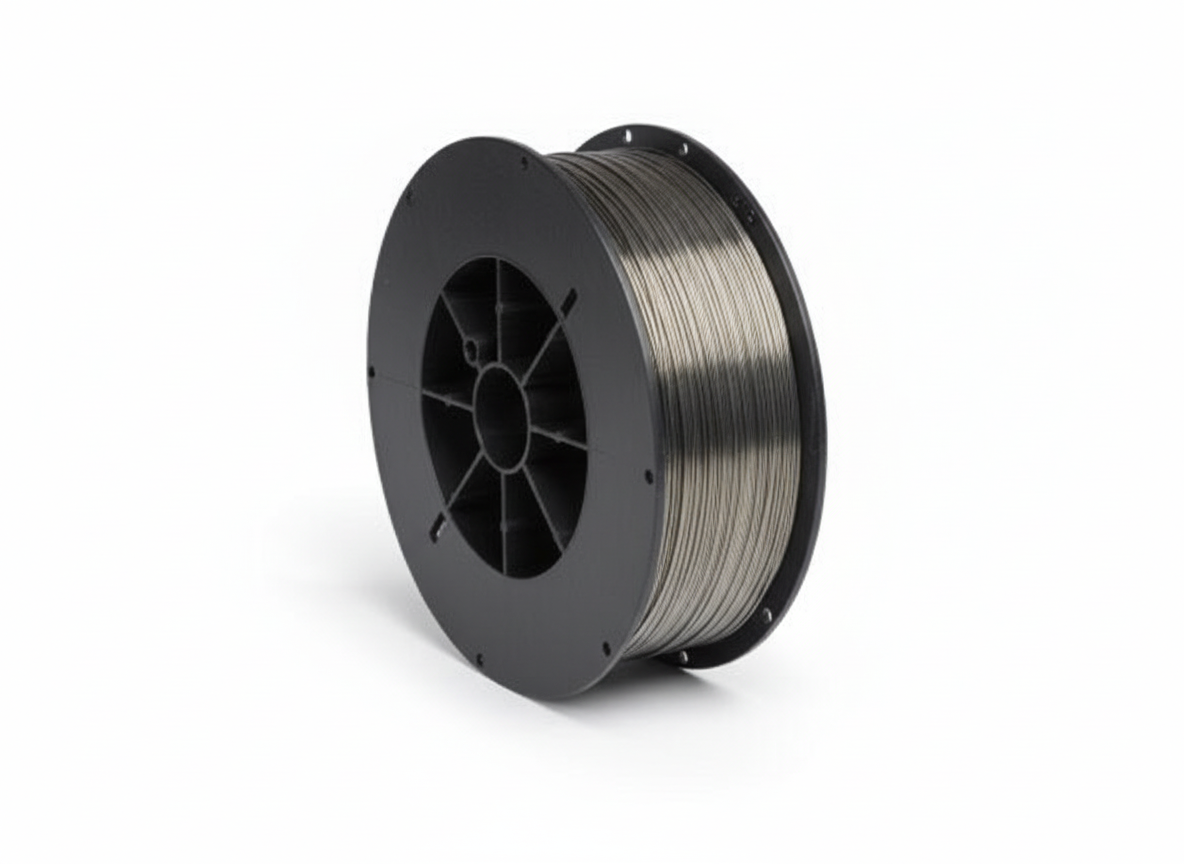
This item is sold as a Lincoln Electric wire on a 33 lb plastic spool. The plastic spool format is common for feeder use, but the feeder spindle and brake setup still need to be verified against your equipment. Do not assume every spool adapter, hub, or tension setting will be correct without inspection.
Important: product details such as exact weld deposit chemistry, diffusible hydrogen level, recommended shielding gas blend, and qualification scope were not fully provided in the source data. Treat those items as Unknown (Verify) until confirmed from the product page, label, or supplier documentation.
For the source product listing, use the ArcWeld product link provided with this item and confirm the current description before ordering. No compatibility beyond what is explicitly documented should be assumed.
How to Use WSP Support Pages
When a WSP lookup page is available, use it as a quick reference to confirm how the wire is categorized in the support catalog and to navigate related items. In this draft, no separate WSP lookup URL was provided, so there is no lookup link to include. If your internal workflow requires a lookup step, treat it as a selection aid only. It does not replace a WPS, PQR, or engineer approval.
For filler metal comparison, use the WSP filler metal finder only as a starting point for narrowing options. It helps identify candidate wires, but it does not guarantee procedure approval or code acceptance for a specific job.
Safety Notes
- Use approved ventilation and fume control for flux-cored welding.
- Keep hands clear of the drive rolls and wire path when loading the spool.
- Verify polarity and machine settings before striking an arc.
- Do not weld on contaminated material without cleaning or procedure approval.
- Wear required PPE for arc flash, spatter, and hot metal exposure.
FAQ
Is Lincoln ED035417 the right wire for all structural jobs?
Not automatically. The wire may be suitable for structural and heavy fabrication work, but the WPS and material requirements control final selection. Verify the classification, shielding gas, and qualification status before use.
Can I use this wire without checking my feeder setup?
No. Check drive rolls, liner, contact tip size, tension, and spool fit before loading. Wire feeding problems are often equipment-related, not wire-related.
Does the product title confirm all mechanical properties?
No. The title alone does not confirm all mechanical properties, diffusible hydrogen values, or code approvals. Those details must be verified from the product data sheet or other controlled documentation.
Is the 33 lb spool better than smaller spools?
It can reduce changeovers in higher-volume work, but “better” depends on the feeder, job duration, storage control, and electrode handling process. Verify fit and handling requirements first.
Sources Checked
- ArcWeld product listing for Lincoln ED035417, 0.045" UltraCore 111K3M-H Plus Mig Wire, 33 Lbs. Spool
- Provided source idea and short description in the task brief
Bottom line: Lincoln ED035417 is a production-oriented gas-shielded flux-cored wire, but the buying decision should be based on verified classification, WPS alignment, and machine setup. Treat any missing technical detail as Unknown (Verify) until confirmed from the controlled product data.
Related Arc Weld Part
Lincoln ED035417, 0.045" UltraCore 111K3M-H Plus Mig Wire, 33 Lbs. Spool
Lincoln Electric ED035417 UltraCore 111K3M-H Plus is a 0.045 in (1.1 mm) gas-shielded flux-cored wire (FCAW-G) on a 33 lb (15 kg) plastic spool, designed for high-strength, low-alloy applications where you need consistent arc performance, strong mechanical properties, and dependable all-position capability. It’s commonly selected for structural and heavy fabrication work where procedure control and toughness matte…
View at Arc Weld StoreRelated Weld Support Guides