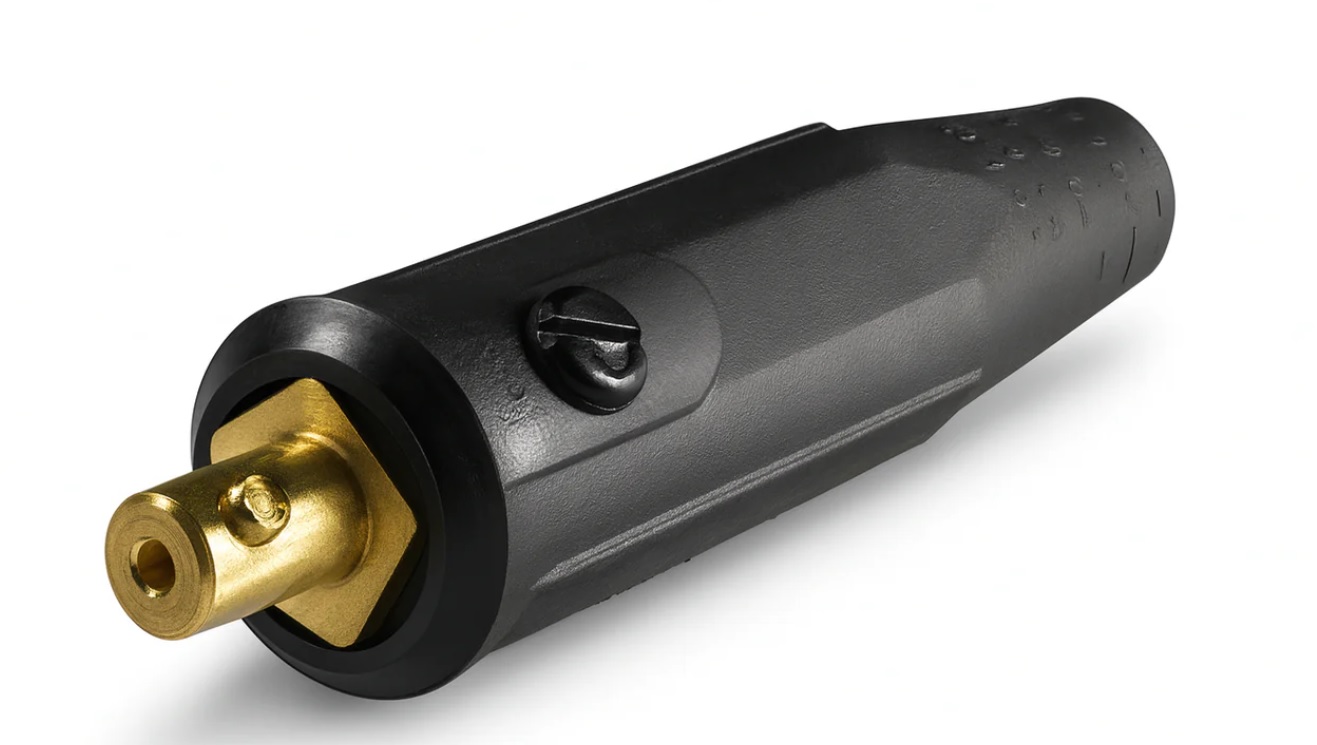
Tag: Dinse connector

  • Welding Cable Connector Compatibility Guide (Dinse, Tweco, Cam-Lok & Stud Types)

    Welding cable connectors are one of the most overlooked compatibility points in a welding setup. A mismatched connector can create overheating, voltage drop, intermittent arc starts, loose cable retention, or complete machine incompatibility.

    This compatibility guide covers the most common welding cable connector types used on MIG, TIG, Stick, plasma, and work lead setups. It focuses on connector identification, fitment verification, amperage considerations, cable sizing, and common wrong-part mistakes.

    Key Takeaways

    • Dinse-style connectors are the most common modern welding connector system.
    • Connector size must match both cable gauge and machine receptacle size.
    • Tweco-style, Cam-Lok, lug, and stud connections are still widely used.
    • Overheated connectors usually indicate loose fitment, undersized cable, or oxidation.
    • Never assume “universal fit” for welding cable connectors.
    • Verify polarity style, connector gender, cable size, and amperage rating before ordering.

    What Welding Cable Connectors Do

    Welding cable connectors transfer welding current between the machine, torch, electrode holder, work clamp, or extension leads. They also provide quick disconnect capability for portable welders and field setups.

    A properly matched connector reduces resistance and heat buildup while maintaining stable arc performance. Poor connections increase resistance, which causes overheating, poor starts, unstable arc behavior, and connector damage.

    Common Welding Cable Connector Types

    Connector TypeCommon UseTypical Amperage RangeVerify Before OrderingNotes
    Dinse 10-25Light TIG/StickUp to ~200APlug diameter and cable sizeCommon on inverter welders
    Dinse 35-50MIG/TIG/Stick200A–400AMachine receptacle sizeMost common shop connector
    Dinse 50-70Industrial welders400A+Cable gauge and machine portHeavy-duty applications
    Tweco-styleOlder MIG/StickVariesThread style and polarity setupStill common in fabrication shops
    Cam-LokEngine drivesHigh amperageMale/female orientationField welding and power distribution
    Stud/LugTransformer weldersVariesBolt size and lug dimensionsOften permanent installations

    Compatibility Notes

    Connector compatibility depends on several factors:

    • Machine connector receptacle size
    • Connector family (Dinse, Tweco, Cam-Lok, Stud)
    • Cable gauge
    • Maximum amperage
    • Polarity configuration
    • Torch or electrode holder compatibility
    • Connector gender/orientation
    • OEM machine design

    Verify machine connector size before ordering. Some inverter welders use smaller Dinse 10-25 ports while industrial machines commonly use 35-50 or larger connectors.

    Some TIG torch kits include 105Z57 or proprietary adapter blocks that may not directly fit every machine. Verify connector configuration before replacing torches or leads.

    Common Symptoms of Incorrect Connector Fitment

    SymptomLikely CauseInspection CheckProper Fix
    Connector overheatingLoose fit or oxidationInspect contact surfacesReplace damaged connector
    Hard arc startsHigh resistance connectionCheck connector seatingClean or replace connector
    Voltage dropUndersized cable or connectorVerify cable gaugeUpgrade cable/connector size
    Intermittent arcLoose locking mechanismInspect twist-lock engagementReplace worn connector
    Burned connector bodyOverloaded amperageCheck duty cycle and amp drawInstall higher-rated connector

    What Usually Wears Out First

    • Connector contact surfaces
    • Twist-lock retention tabs
    • Insulating sleeves
    • Cable strain reliefs
    • Crimped lug terminations
    • Oxidized copper contact points

    Heat cycling and repeated disconnects gradually loosen connector tolerances. Once the fit becomes loose, resistance increases rapidly and connector overheating usually follows.

    Visual Wear Indicators

    • Brown or dark discoloration near contacts
    • Melted insulation
    • Loose connector engagement
    • Visible arcing marks
    • Green corrosion on copper
    • Cracked insulation boots
    • Excessive cable flex near connector

    Inspection Steps

    1. Disconnect power from the welding machine.
    2. Inspect both male and female connector surfaces.
    3. Check for looseness in twist-lock engagement.
    4. Verify cable crimp integrity.
    5. Inspect insulation for heat damage.
    6. Check cable gauge against machine amperage.
    7. Look for oxidation or contamination.
    8. Confirm connector size matches machine receptacle.

    Field Fix vs Proper Fix

    ConditionTemporary Field FixProper Repair
    Loose connector fitClean contactsReplace worn connector
    Minor oxidationLight abrasive cleaningReplace heavily pitted contacts
    Damaged insulationTemporary wrap onlyReplace connector assembly
    Heat discolorationReduce amperage temporarilyInstall correct-rated connector
    Loose crimpUnknown (Verify)Replace/crimp properly

    Common Wrong-Part Mistakes

    • Ordering Dinse 10-25 when machine requires 35-50
    • Using undersized cable with high-amperage connectors
    • Assuming all “Dinse” connectors are identical
    • Ignoring connector gender orientation
    • Installing aluminum lugs in high-cycle copper applications
    • Using worn extension connectors with new leads
    • Mixing incompatible aftermarket adapters

    What To Verify Before Ordering

    • Machine make and model
    • Connector family
    • Connector size
    • Cable gauge
    • Maximum amperage
    • Duty cycle requirements
    • Torch or electrode holder style
    • Extension lead compatibility
    • Polarity setup
    • OEM part number

    If unsure, verify connector diameter directly using calipers instead of relying on visual estimation.

    Related Failure Paths

    • Ground clamp overheating
    • Arc instability
    • Excessive voltage drop
    • MIG wire feed surging
    • TIG high-frequency starting issues
    • Burned work leads
    • Damaged machine receptacles
    • Cable insulation failure

    Related Support Articles

    Safety Notes

    • Disconnect machine power before servicing connectors.
    • Never handle overheated connectors without gloves.
    • Loose welding connections can create fire hazards.
    • Inspect connectors regularly in high-duty-cycle environments.
    • Use cable sizes rated for machine output.
    • Follow OSHA and manufacturer electrical safety procedures.

    FAQ

    Are all Dinse connectors interchangeable?
    No. Dinse connectors vary by diameter and amperage class. Verify exact size before ordering.

    Can I use a larger connector on a smaller machine?
    Unknown (Verify). The machine receptacle must physically match the connector.

    Why do my welding cable connectors get hot?
    Heat usually indicates loose fitment, corrosion, undersized cable, or excessive amperage load.

    How often should welding cable connectors be replaced?
    Replacement intervals vary by duty cycle, amperage, environment, and connection frequency.

    Can bad connectors affect weld quality?
    Yes. High resistance connections contribute to unstable arc behavior and voltage drop.

    Next Step

    Before replacing welding leads, torches, or work clamps, verify connector compatibility first. Matching connector family, size, cable gauge, and amperage rating prevents overheating, unstable arc performance, and expensive machine-side damage.

    Sources Checked

    • Manufacturer Dinse connector sizing references
    • OEM welding machine manuals
    • Weld Support Parts support articles
    • AWS welding cable guidance
    • Industry cable sizing charts
  • Miller 194722, Torch Adapter, Torch Di-917F, 125A to 150A (50 mm)

    Miller 194722, Torch Adapter, Torch Di-917F, 125A to 150A (50 mm)

    Intro
    If your TIG torch lead doesn’t match your machine’s output connector, you don’t have a welding problem—you have a fitment problem. The Miller 194722 torch adapter is meant to bridge that gap for specific air-cooled TIG torch setups. The key is verifying connector style and torch compatibility before you order.

    Key Takeaways

    • This is a fitment part. Confirm your machine output style and torch lead style first.
    • Compatibility is model- and connector-specific. If you guess, you’ll buy twice.
    • If any detail below is not confirmed for your setup, treat it as Unknown (Verify) and verify before purchase.

    Performance & Use
    This adapter is intended to connect certain air-cooled TIG torches to a specific output style. In practice, it matters most when you’re moving a torch between machines, upgrading to a machine with an international/DINSE-style output, or replacing a missing/incorrect adapter.

    What to compare before you buy

    • Machine output connection type (international/DINSE style vs other) — Unknown (Verify)
    • Output size: 50 mm is referenced for this part (verify your receptacle size)
    • Torch type and lead style (air-cooled, one-piece vs two-piece) — Unknown (Verify)
    • Torch family fitment: WP-17 / WP-9 / WP-50 / WP-3 are explicitly referenced for use (verify your exact torch variant)
    • Gas routing (gas-through vs separate line) — Unknown (Verify)

    Durability & Build
    Adapters fail from heat, poor contact, and repeated twisting. The practical check is whether the connection seats fully, locks correctly, and stays cool under normal duty. If the connection gets hot, stop and re-check contact surfaces and cable sizing (Unknown (Verify)).

    Power / Specs

    • Part number: 194722 (confirmed)
    • Described use: Air-cooled TIG torch adapter for Syncrowave 200 International (confirmed via manufacturer page)
    • Output size referenced: 50 mm (confirmed via ArcWeld.store snippet and common listing language; verify on your machine)
    • Amperage reference in name: 125A to 150A (as labeled; do not treat as a universal rating—verify for your torch/machine)

    Who It’s For

    • Shops running multiple TIG machines where torches get swapped
    • Anyone adapting a WP-17/WP-9-family air-cooled torch to a different output style
    • Maintenance teams replacing a missing adapter on legacy TIG equipment

    Quick FAQ
    Q: Will this fit every TIG machine with a DINSE connector?
    A: Unknown (Verify). “50 mm” is referenced, but connector standards and gas routing vary. Verify your machine’s output receptacle and torch lead type.

    Q: Does it work with water-cooled torches?
    A: Unknown (Verify). This part is described for air-cooled torch use; confirm your torch lead configuration.

    Q: What info should I email for fitment help?
    A: Machine model, torch model, and the exact part number you’re trying to fit. ArcWeld.store offers fitment help by email.

    Safety Notes (include verbatim closing line)
    A loose or incorrect connector can overheat, arc, and damage the machine output or torch lead. After installation, do a short test weld and check for heat at the connection.
    Always follow the manufacturer’s instructions and your shop’s safety procedures. If you’re unsure about fitment or ratings, verify before you buy or install.

    Where to Buy (ArcWeld.store link + optional Amazon fallback)

    ” target=”_blank” rel=”noreferrer noopener”>
    Miller 194722, Torch Adapter, Torch Di-917F, 125A to 150A

    Miller 194722, Torch Adapter, Torch Di-917F, 125A to 150A

    $61.61

    In Stock

    View Product

  • Welding Cable & Connector Kits (25–50ft Heavy-Duty)

    Welding Cable & Connector Kits (25–50ft Heavy-Duty)

    Undersized or damaged welding cables kill performance and create safety hazards. The right cable kit ensures full power delivery and reliable connections.

    Key Takeaways

    • Heavy-duty welding cables carry full amperage without voltage drop.
    • Proper gauge and length matter—undersized cables reduce power and create heat.
    • Dinse-style connectors are industry standard for quick, secure connections.
    • Check amperage rating and cable length for your machine and workspace.
    • Inspect cables regularly for damage; replace worn connectors immediately.

    Performance & Use

    Welding cables deliver current from your machine to the torch and ground clamp. Performance depends on proper gauge (AWG), length, and connector type. A 25–50ft kit works for most shop setups; longer runs require thicker gauge to prevent voltage drop. Dinse-style connectors (10–25mm) are standard for MIG, TIG, and stick machines (Unknown: verify connector compatibility with your specific machine).

    Durability & Build

    Look for cables with rubber or silicone jackets rated for welding heat. Copper conductors resist corrosion. Quality connectors should have secure threads or twist-lock designs. Inspect regularly for cuts, burns, or exposed wire.

    Power / Specs

    • Cable Length: 25–50 ft
    • Gauge: #2 to #6 AWG (Unknown: verify for your amperage)
    • Amperage Rating: 50–200 amps (Unknown: confirm for your machine)
    • Connector Type: Dinse-style (10–25mm) or proprietary
    • Jacket Material: Rubber or silicone
    • Temperature Rating: 60°C+ typical

    Who It’s For

    Essential for any welder upgrading cables, extending workspace, or replacing damaged connectors. Not for indoor-only, low-amperage hobby setups without proper grounding.

    Quick FAQ

    Q: What gauge cable do I need? A: Depends on amperage and distance. Longer runs need thicker gauge—check your machine manual.

    Q: Are Dinse connectors universal? A: Most are, but verify compatibility with your machine before purchase.

    Q: Can I use a regular extension cord? A: No—welding cables must be rated for high amperage and heat. Regular cords will fail.

    Q: How often should I replace cables? A: Inspect regularly; replace if you see cuts, burns, or exposed copper.

    Q: Do I need both a work cable and ground cable? A: Yes—ground cable completes the circuit. Both are essential.

    Safety Notes

    Always inspect cables before use. Never weld with damaged or undersized cables—they overheat and create fire hazards. Ensure connectors are tight and secure. Keep cables away from sharp edges and hot surfaces.

    Always follow the machine manual, SDS, and applicable code requirements. If unsure, verify with the manufacturer.

    Where to Buy

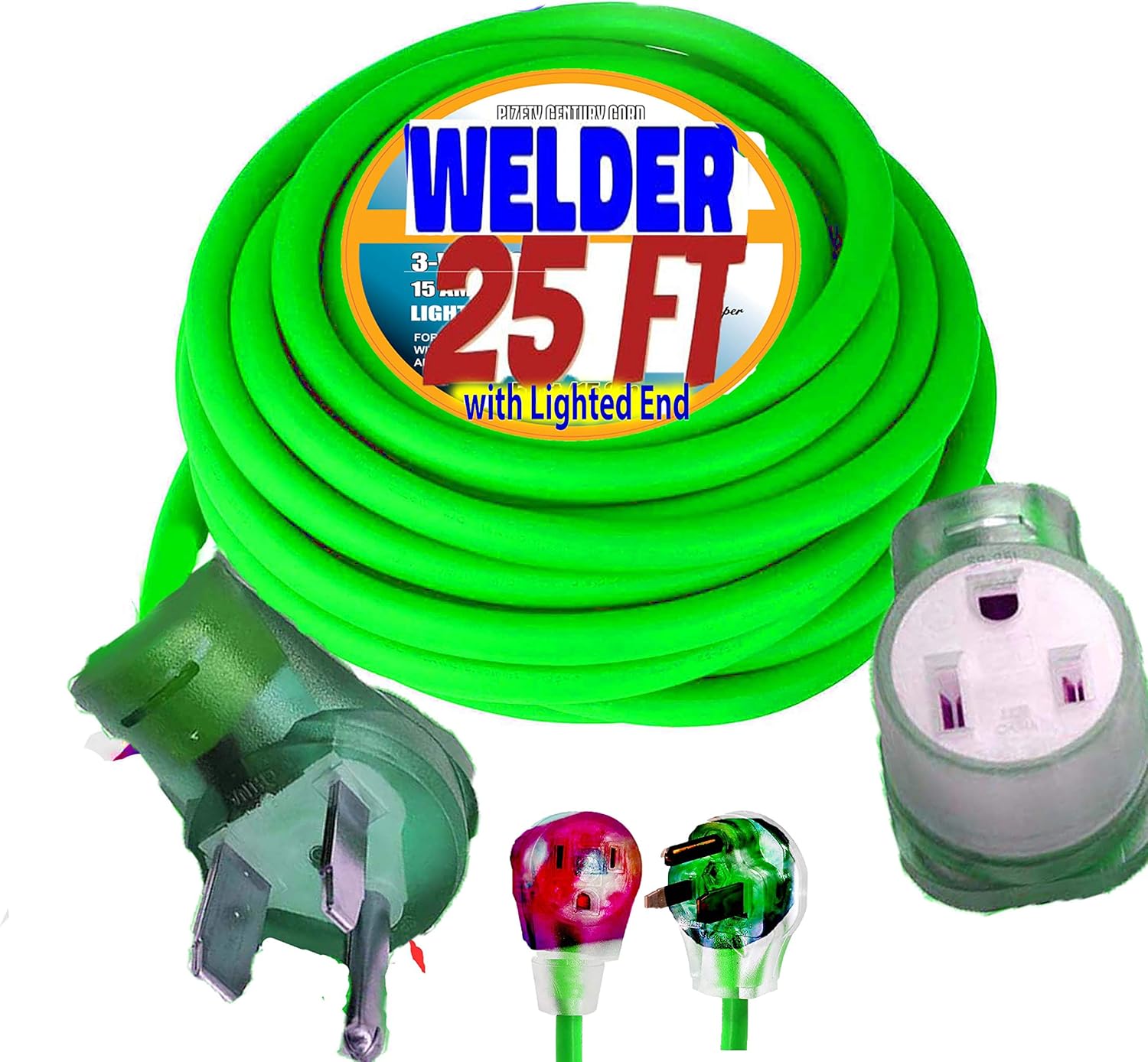
    Amazon pick: Pizety 25FT Welder Extension Cord – 50 Amp, 8 Gauge 6/3 — ASIN: B085ZYH2TF

    Amazon link:  https://www.amazon.com/dp/B085ZYH2TF?tag=weldsupport-20 

    Pizety 25FT Welder Extension Cord – 50 Amp, 8 Gauge 6/3, 10,000 Watts, NEMA 6-50 Plug, 220/250V, Heavy Duty Welding Extension Cord with Lighted End, ETL Approved
    • 🔌 50 AMP WELDER EXTENSION CORD – Rated for 50 Amps, 250 Volts, and up to 10,000 Watts of power. Ideal for heavy-duty welding machines, plasma cutters, and industrial equipment.
    • 💪 8 GAUGE 6/3 COPPER WIRE – Built with thick, flexible 100% pure copper for maximum conductivity, minimal voltage drop, and reliable performance.
    • 🌟 LIGHTED END FOR SAFETY25 ft welder extension cord 8 AWG UL Listed Heavy duty copper wire 6-50 NEMA plug and connector designed for use on all portable welders
    • 🌦️ INDOOR & OUTDOOR USE – ETL approved and constructed with a durable SJTW jacket that resists moisture, abrasion, and sunlight—perfect for garages, workshops, and job sites.
    • 8 Gauge 25 Ft Welding Cord power extension cord rated at 50A, 600V, 50 feet. Features in excellent abrasion, oil and moisture resistance and flexibility fits to extend the welding machine. It can be directly connected to your homes electrical system, 25 ft welding extension cord 50 amp 250v

    Last update on 2026-06-04 / Affiliate links / Images from Amazon Product Advertising API

  • Listen with Audible