Tag: conduit liner
-
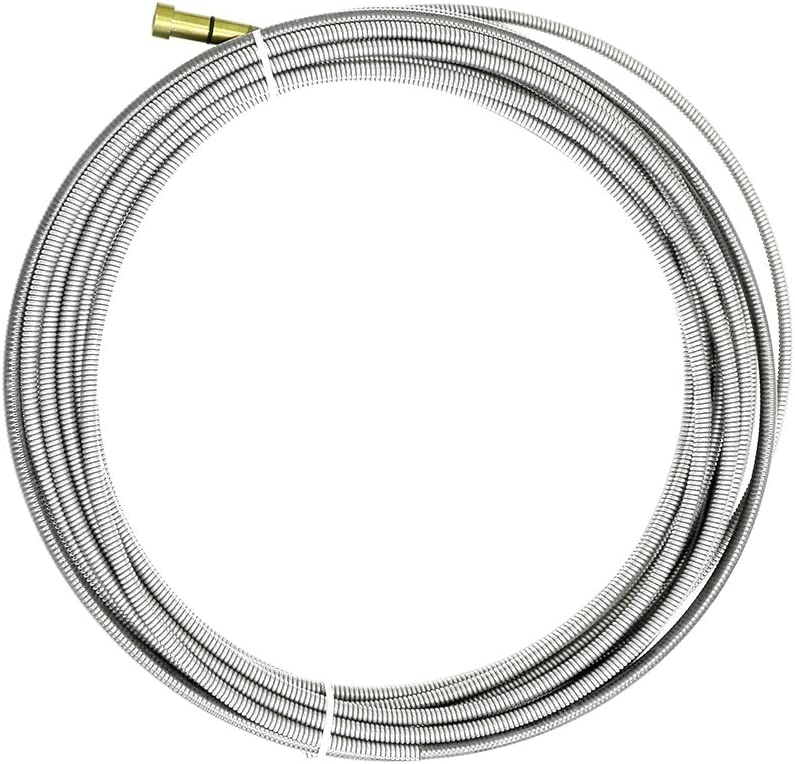
Tweco Liner 42-3035-15, .035-.045, 15′ Conduit 1420-1113 – 1 Piece: Product Breakdown
“>
Wire-feeding problems in MIG welding are often traced back to the liner before operators start changing contact tips, drive rolls, or wire spools. The Tweco Liner 42-3035-15, .035-.045, 15′ Conduit 1420-1113 – 1 Piece is a conduit liner assembly intended for MIG gun wire guidance. Based on the product information provided, it is described as a Tweco Universal Conduit liner that is ready to use out of the box and uses a crimped wire guide that is common to all brands of MIG guns. It is listed for use with Eliminator, Traditional, and Spray Master-style guns.
This article breaks down what to check before installation, what to verify during a replacement, and how to troubleshoot feeding issues without guessing. If you are buying for maintenance, production support, or shop repair, the goal is simple: confirm fit, confirm wire size, confirm routing, and confirm the liner is the actual problem before you replace parts.
Key Takeaways
- The product is a MIG gun conduit liner assembly for wire guidance.
- It is listed for .035-.045 wire size range.
- The length is listed as 15′ conduit.
- The product description says it is ready to use out of the box.
- Compatibility claims in the source are broad, but final fit should still be verified on the gun model in service.
- Use it as a replacement part when feeding resistance, birdnesting, or liner wear point to the conduit path.
What This Part Is For
A conduit liner supports wire travel from the feeder through the gun cable to the contact tip. When the liner wears, becomes contaminated, or is damaged during installation, the wire can drag, hesitate, or buckle. That can look like a drive roll problem or a spool issue, but the liner is often the first place to inspect.
The source description identifies this as a universal common crimped wire guide for MIG guns. That does not remove the need to verify gun type, liner path, wire diameter, and overall cable condition. Universal wording should be treated as a starting point, not a final compatibility approval.
Before You Order or Install
Check: the gun model currently in service, the wire diameter being run, and the existing liner style. If the machine uses a separate conduit liner system, confirm whether the current setup is designed around this style of replacement.
Inspect: the drive rolls, inlet guide, torch neck, and contact tip before replacing the liner. A worn liner is only one source of feeding problems. Replacing a liner without checking these other points can leave the root issue unchanged.
Verify: the cable path is not sharply bent, crushed, or heat damaged. Even a new liner can feed poorly if the cable jacket is damaged or the gun is routed through a tight radius.
Replacement and Setup Checks
Check: that the new liner matches the wire size range needed for the job. The provided product title lists .035-.045. If your application is outside that range, do not assume it will feed correctly. Unknown (Verify).
Inspect: the old liner for copper dust, shavings, flattened sections, rust, or burnback damage. These are common indicators that the liner is no longer providing a smooth wire path.
Verify: cut length, trim condition, and seating at both ends during installation. A liner that is too long, poorly trimmed, or not seated against the gun components can create drag and inconsistent feed.
Check: that the wire enters the liner without catching at the feeder end. If the wire wants to buckle at startup, do not force it. Re-check drive roll tension, inlet alignment, and liner entry.
Troubleshooting Support
If feeding problems continue after liner replacement, work through the system in order.
1. Check the wire path.
Inspect the spool, feeder outlet, inlet guide, liner entry, gun cable, and tip. Any point with obstruction can cause drag.2. Inspect drive roll pressure.
Too much tension can deform the wire and create feeding issues. Too little tension can cause slipping. Adjust only after confirming the liner path is clear.3. Verify the contact tip condition.
A worn or overheated tip can mimic liner problems. If the wire feeds freely through the liner but hangs at the end, the tip may be part of the restriction.4. Check for contamination.
Dirt, metal dust, and fragments from wire can collect in the liner. If the liner was exposed during maintenance, verify that no debris entered the conduit during installation.5. Inspect the gun cable routing.
If the cable is bent too tightly, feeding will suffer even with a new liner. Verify that the gun can move through its normal work envelope without binding.Product and Parts Notes
The provided product information says the liner is ready to use right out of the box and is packaged as one piece. The source also describes it as a Tweco Universal Conduit liner. Those are the only packaging and use details that should be relied on here. No additional dimensions, certifications, materials, or cross-brand approvals are confirmed in the provided source, so those details remain Unknown (Verify).
If you are selecting this part for a maintenance shelf, the practical buying question is whether your shop replaces the entire liner assembly at once or trims and fits liners in-house. The source indicates a ready-to-use item, which supports field replacement, but installation practice still depends on the gun setup and shop procedure.
Safety Notes
- Lock out and isolate the welding system before servicing the gun or feeder.
- Do not service a hot gun, neck, or contact tip assembly.
- Use cut-resistant gloves when handling trimmed liner ends and wire.
- Verify that the wire spool is secured before removing or installing liner components.
- Do not force wire through a damaged cable or kinked conduit.
Related Selection Starting Point
If your maintenance task also includes filler metal review, use the internal WSP content below as a selection starting point only. It is not a procedure approval and does not replace WPS review or job-specific qualification requirements.
FAQ
Is the Tweco Liner 42-3035-15 a universal liner?
The provided product description says it is a Tweco Universal Conduit liner and references broad MIG gun style compatibility. Final fit still needs to be verified on the actual gun and feeder setup in service.What wire size is this liner intended for?
The product title lists .035-.045. If your wire is outside that range, compatibility is Unknown (Verify).What should I inspect before blaming the liner for feed issues?
Check the drive rolls, inlet guide, contact tip, cable routing, and wire spool condition first. A feeding problem can come from any point in the wire path.Does the source confirm all dimensions and certifications?
No. Only the listed product title and description were provided. Any unlisted technical detail is Unknown (Verify).Sources Checked
- ArcWeld product page: Tweco Liner 42-3035-15, .035-.045, 15′ Conduit 1420-1113 – 1 Piece
- Provided internal product short description for the same item
- Provided internal link: Aluminum ER 5554 3/64″ X 5lb. MIG Welding Wire Spool By Washington Alloy – Weld Support Parts Blog
Related Arc Weld Part
Tweco Liner 42-3035-15, .035-.045, 15' Conduit 1420-1113 – 1 Piece
Each conduit liner wire has a crimped wire guide that is universal common to all brands of MIG guns. For all guns (Eliminator, Traditional and Spray Masterâ„ styles). Tweco Universal Conduit liner is ready to use right out of the box. Package of (1)
View at Arc Weld StoreRelated Weld Support Guides