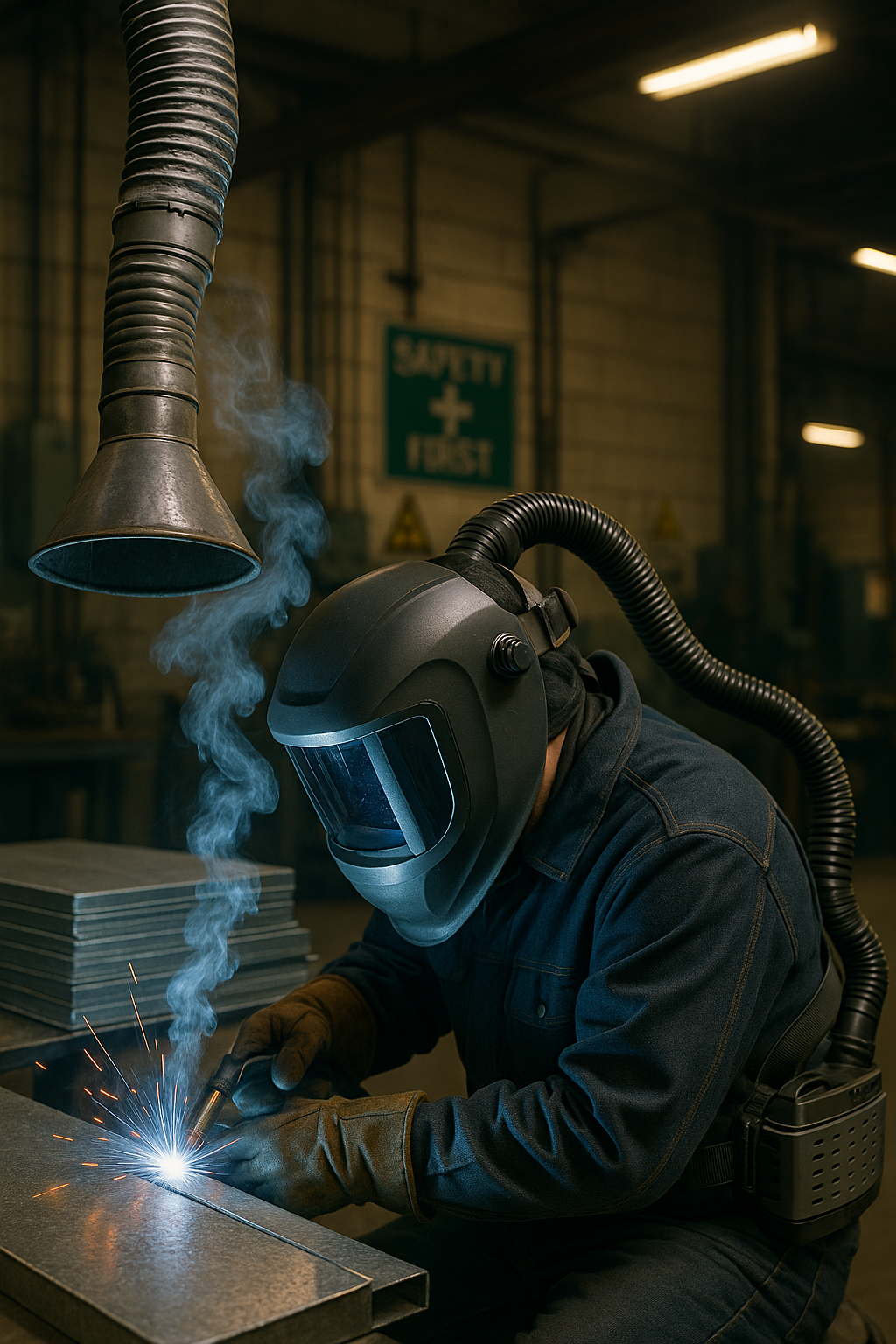
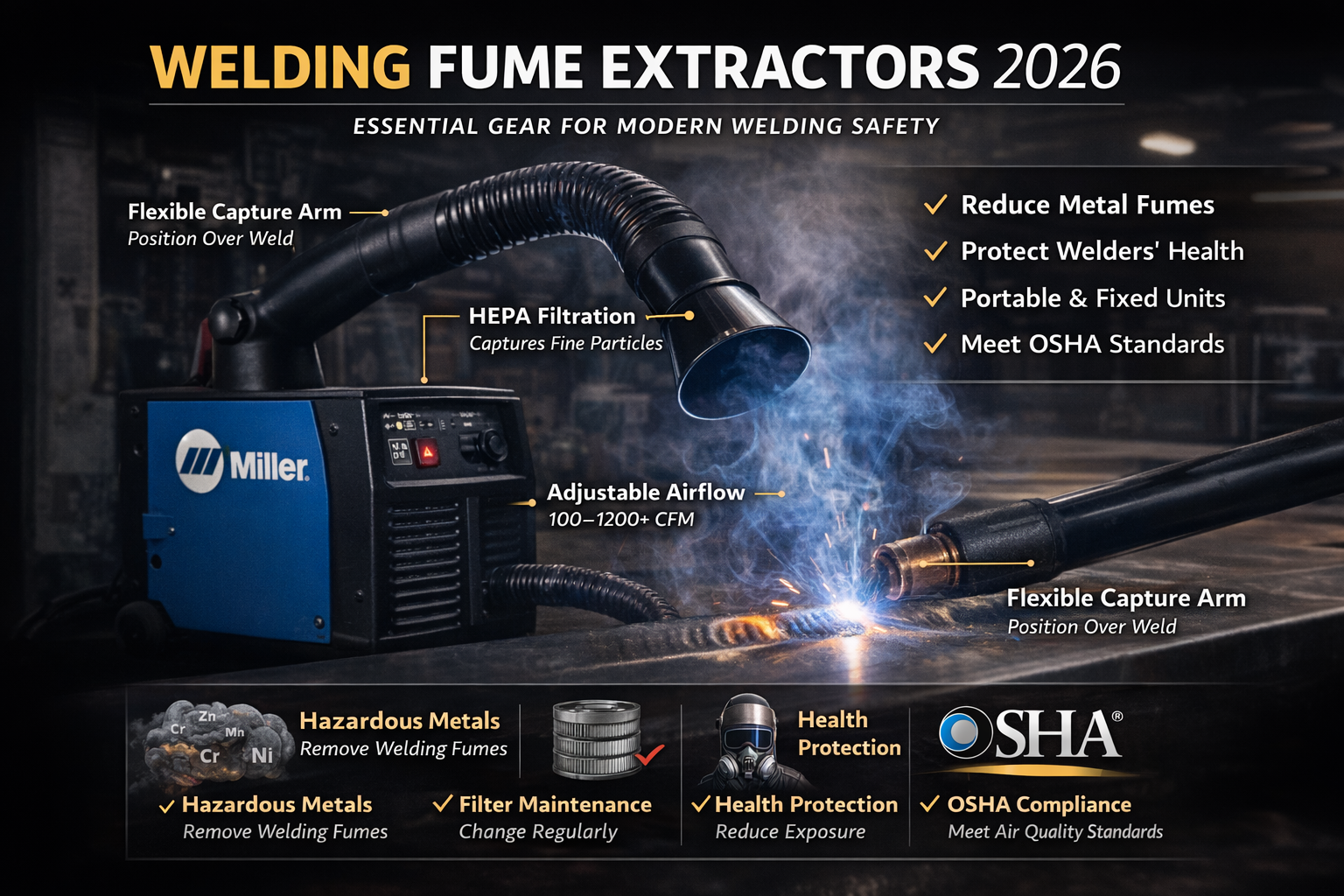
Welding fumes contain hazardous metal particulates that can accumulate quickly in enclosed spaces. A properly sized fume extractor protects welders, improves air quality, and supports OSHA compliance.
Key Takeaways
Fume extractors reduce airborne exposure to hazardous metals
Portable and fixed systems serve different shop sizes
Airflow (CFM) and filter type determine effectiveness
HEPA or specialty filters are required for fine particle capture
OSHA standards require indoor fume control
Performance & Use
Welding fume extractors use powered airflow and filtration systems to capture smoke at the source. Capture arms should be positioned near the arc without disrupting shielding gas.
Portable units work well for single stations or field fabrication. Fixed systems integrate into production environments with multiple welders.
Effectiveness depends on:
Correct airflow rating (CFM)
Proper hood placement
Regular filter maintenance
Without maintenance, extraction systems lose efficiency rapidly.
Durability & Build
Industrial units from manufacturers such as Miller Electric, Lincoln Electric, and FumeVac are designed for daily shop use.
Look for:
Metal housings
Accessible filter compartments
Clearly rated airflow
Documented filter efficiency
Lower-cost units may lack sufficient static pressure or true HEPA filtration. Verify technical specifications before purchase.
Power / Specs
Feature
Typical Range
Notes
Airflow (CFM)
100–1200+
Must match shop size
Filter Type
HEPA or specialty
Required for fine particles
Portability
Portable or fixed
Application dependent
Power Source
120V / 240V
Verify plug compatibility
Noise Level
60–80 dB
Shop environment consideration
Unknown (Verify):
Filter efficiency rating
Replacement filter cost
Warranty coverage
Fire protection features
Who It’s For
Essential for shops welding stainless steel, galvanized material, aluminum, or running high production indoors.
Less critical for outdoor-only operations with natural ventilation.
Quick FAQ
Q: Are fume extractors required? OSHA requires employers to control welding fume exposure indoors. Local codes may vary.
Q: Can one portable unit cover an entire shop? No. Portable units are designed for single workstations.
Q: How often should filters be changed? Depends on usage. Follow manufacturer guidelines and inspect regularly.
Q: Can I use a shop vacuum instead? No. Standard shop vacs are not designed for welding fumes or fine metal particulates.
Q: Which metals produce the most hazardous fumes? Stainless steel (chromium, nickel) and galvanized steel (zinc) present higher risks.
Q: Where do I verify filter specs? Consult manufacturer datasheets and compliance documentation.
Safety Notes
Always use fume extraction when welding indoors
Wear a properly fitted P100 respirator when welding stainless or galvanized
Do not bypass safety interlocks
Maintain fire watch procedures; overloaded filters can ignite
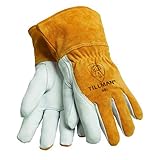
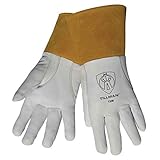
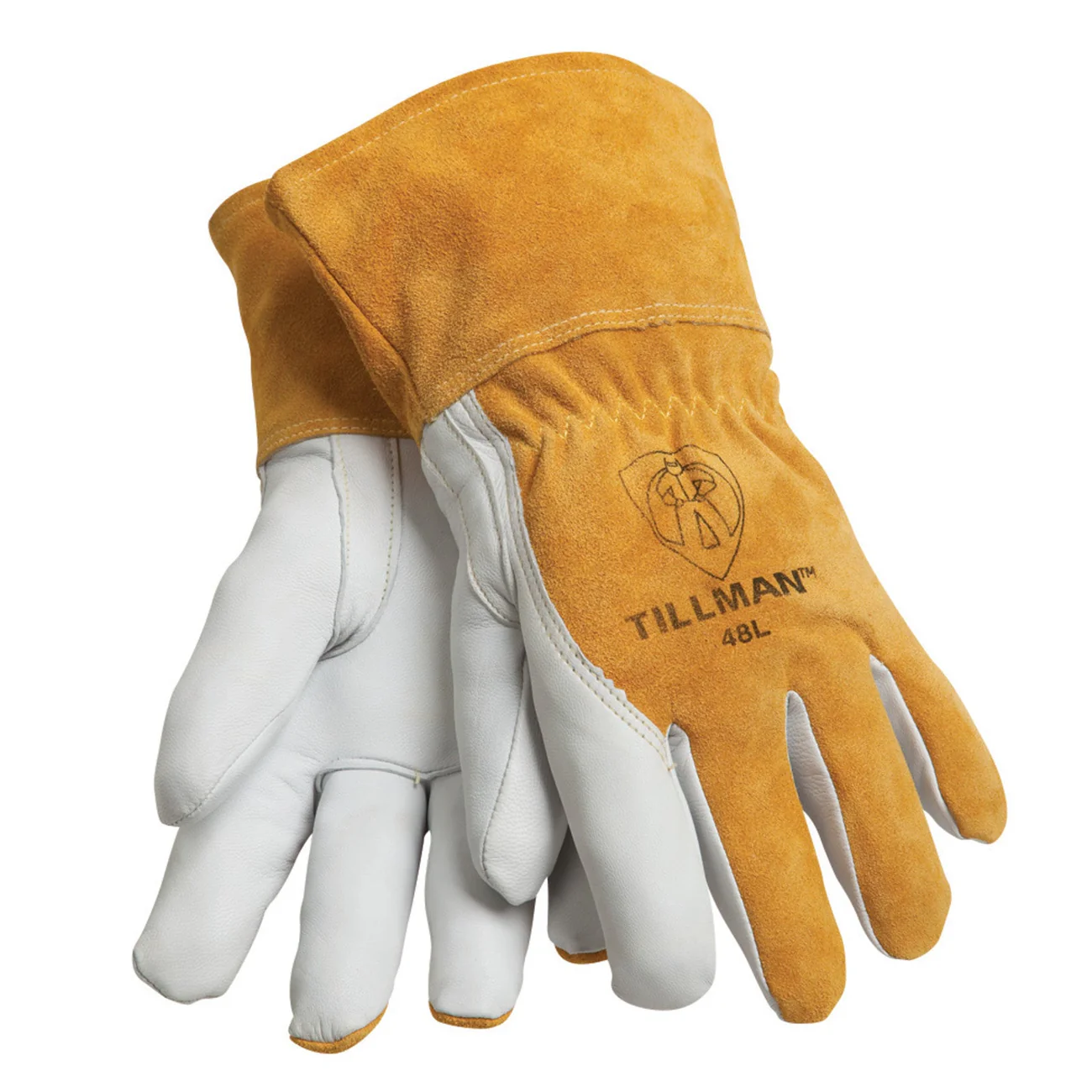
Product Review: Tillman 48, Goatskin Fleece-Lined Standard Grade MIG Gloves
Tillman 48, Goatskin Fleece Lined Standard Grade MIG Gloves are a specialized type of protective apparel engineered for MIG (Metal Inert Gas) welding applications. Constructed with premium goatskin leather and enhanced with fleece insulation, these gloves are tailored for welders who need a combination of mobility, dexterity, and thermal protection.
Designed for the professional welder, fabrication student, or anyone working in moderate to heavy-duty welding environments, these gloves are a go-to solution for consistent, comfortable hand protection during extended welding sessions.
Types / Variants / Models
The Tillman 48 is a model within Tillman’s line of MIG gloves specifically built for winter or cold shop environments. While the model itself doesn’t come with multiple variants, it can be contrasted with other Tillman MIG glove lines to show its distinct place in the market:
Tillman 42 (Unlined MIG Glove)
Made from top-grain goatskin but unlined, offering better heat dissipation but less warmth.
Last update on 2026-03-12 / Affiliate links / Images from Amazon Product Advertising API
Tillman 48 stands out due to its fleece lining and goatskin composition, making it ideal for cold-weather shops and increased dexterity needs.
Key Features & Specifications
Here’s a breakdown of the Tillman 48 MIG gloves’ key physical and technical specifications and their benefits:
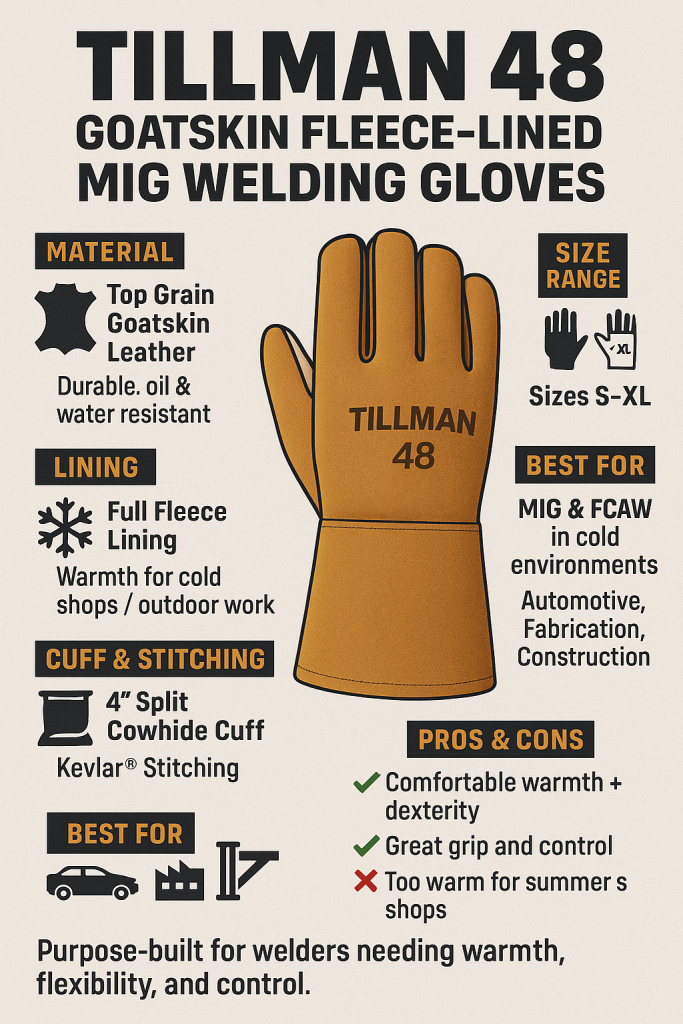
Material: Top grain goatskin leather (palm and back)
Delivers exceptional dexterity and tactile control.
Naturally oil- and water-resistant.
Lining: Fleece lining throughout
Provides insulation against cold environments, ideal for outdoor or unheated shop work.
Adds comfort over extended wear.
Cuff style: 4” split cowhide cuff
Ensures added wrist and forearm protection against sparks and slag.
Stiffness in cuff makes it easier to slide gloves on/off.
Stitching: Kevlar® thread
Offers high heat and abrasion resistance, minimizing seam failure under welding conditions.
Size Range: Available in sizes S – XL
Accommodates a broad range of hand sizes for optimal fit and performance.
Certifications:
While the Tillman 48 does not carry an ANSI or CE cut rating, it complies with general industrial PPE guidelines for welding heat protection.
These specs make it especially suitable for welders seeking mobility without sacrificing crucial thermal and mechanical protection.
Usage & Compatibility
The Tillman 48 is designed primarily for MIG (GMAW) welding but can also be used selectively in other processes with similar handling requirements:
GMAW (MIG): Ideal for moderate heat levels over long periods—offers the dexterity required to guide the gun with precision.
FCAW (Flux-Cored Arc Welding): Suitable, especially in colder environments, for additional hand warmth.
SMAW (Stick Welding): Usable for lower-amperage stick work, but lacks the padding needed for high-amperage stick or gouging.
GTAW (TIG): Not recommended due to reduced fingertip feel; TIG work typically requires thinner, unlined gloves.
Pros:
Excellent grip and tactile control.
Comfortable during prolonged use.
Thermal insulation without excessive bulk.
Cons:
Not flameproof or cut-rated to ANSI A-levels.
Fleece lining may be too warm for summer or high-temperature indoor shops.
Not suitable for high-heat stick or overhead MIG applications.
Common Applications
The Tillman 48 Goatskin Fleece-Lined MIG Gloves are suitable for:
Outdoor fabrication yards: Welders working in sub-freezing temperatures benefit from the warmth and dexterity combo.
Automotive repair/production: Where sustained hand protection and feel for fine MIG passes are vital.
Metal art and sculpture fabrication: Delicate but repetitive welds where hand fatigue is a risk.
Steel building construction and repair: Offers protection and comfort for field welders wearing gloves all day.
The glove’s design makes it ideal for moderate-duty welders who frequently need to handle sheet metal, round tubing, or small-fillet MIG joints without overheating or over-bulking.
Tips & Best Practices
To maximize glove performance and life:
Break-in Tip: Like most goatskin gloves, the fit improves slightly after break-in. Wear them around the shop before performing precision work.
Storage: Keep gloves dry and clean; fleece lining may retain sweat or moisture if stored improperly.
Cleaning: Spot-clean leather with a damp cloth. Do not machine wash—this can shrink leather and warp fleece.
Don’t Overuse in High Heat: While durable, the fleece liner can melt under extreme flame or slag exposure. If welding over 250A GMAW or full-penetration stick, use gloves rated for high heat.
Common Mistakes to Avoid:
They are used in high-heat gouging or carbon arc operations where heavy-duty cowhide is preferable.
Wearing them for TIG without switching to thinner gloves results in poor arc control.
Conclusion
The Tillman 48 Goatskin Fleece-Lined Standard Grade MIG Gloves are a high-value option for welders working in colder or unheated environments who require a balance between warmth, flexibility, and fine control. They excel in MIG and light flux-core work—particularly when dexterity and thermal comfort are crucial—and are well-suited for welders, students, and professionals across fabrication, auto repair, and construction industries.
Key takeaway: If you’re welding in cold climates or need sensory control without sacrificing finger flexibility, the Tillman 48 is a smart, purpose-built solution.
Note for Readers: This post may contain affiliate links. If you purchase through them, we may earn a small commission at no cost to you. Thank you for supporting our site.
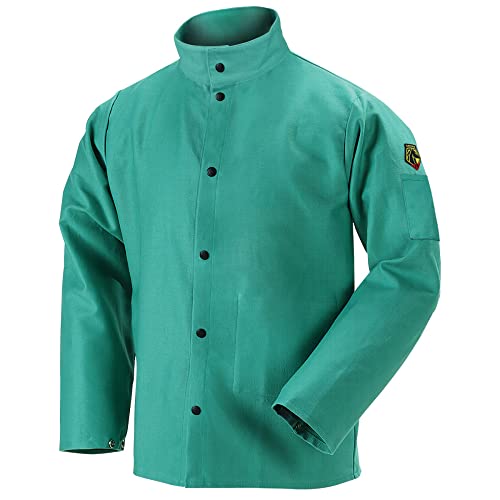
The Revco F9-30C Welding Jacket stands out among welding jackets, specifically crafted for the modern welder who demands both safety and comfort. Featuring flame-resistant (FR) cotton, this lightweight welding jacket is part of the renowned Black Stallion welding gear lineup. It’s designed for welders, fabricators, students, and engineers who need reliable personal protective equipment (PPE) on a daily basis. This review will delve into the specifics of the Revco F9-30C, exploring what makes it an ideal choice for everyday welding needs.
Types / Variants / Models
While the focus here is on the Revco F9-30C, there are several welders’ jackets under the Black Stallion brand. Some variations are designed for specific temperature ranges or enhanced protection levels:
F9-30C: Lightweight flame-resistant cotton, ideal for general welding applications.
BSX® Premium FR Jacket: Offers additional padding and extended heat resistance for high-intensity welding jobs.
Hybrid Welding Jackets: Combine leather and FR cotton for increased durability.
Each variant serves a different need, with the F9-30C being well-suited for light to medium welding activities where comfort and flexibility are priority.
Key Features or Specifications
The Revco F9-30C Welding Jacket boasts several key features:
Material: Made from FR-treated cotton, providing a balance between comfort and safety.
Weight: Lightweight design, reducing fatigue during extended wear.
Front Closure: Snap front buttons for easy wear and removal.
Coverage: Full-length sleeves and torso coverage to protect against sparks and spatter.
Certifications: Meets industry safety standards, offering peace of mind to users.
These specifications make it a practical option for welders who value mobility without compromising on protection.
Usage & Compatibility
The Revco F9-30C is employed effectively across multiple welding processes such as:
SMAW (Shielded Metal Arc Welding): Offers protection without hindering mobility.
GMAW (Gas Metal Arc Welding) and GTAW (Gas Tungsten Arc Welding): Lightweight enough for precision welding tasks.
FCAW (Flux-Cored Arc Welding): Provides adequate protection against flying debris.
The jacket’s snap front design also ensures compatibility with additional PPE like safety glasses and helmets.
Pros:
Lightweight and breathable.
Economically priced without sacrificing quality.
Easy to put on and take off.
Cons:
May not be suitable for extremely high-heat environments.
Common Applications
The Revco F9-30C Welding Jacket finds application in various settings:
Industrial Fabrication: Ideal for large metalworks where maneuverability is essential.
Automotive Industry: Offers good protection for technicians handling bodywork.
Vocational Training: Suitable for students in welding programs due to its affordability.
Its durable yet comfortable design makes it suitable across these diverse environments.
Tips & Best Practices
Setup: Ensure all snaps are securely fastened before beginning work to maximize protection.
Maintenance: Regularly wash the jacket to maintain the integrity of the fire-resistant material.
Troubleshooting: Avoid washing with harsh chemicals that may degrade the FR properties over time.
Common mistakes like neglecting to secure the snaps can compromise safety, so attention to detail is key.
Conclusion
In summary, the Revco F9-30C Welding Jacket is a valuable piece of PPE, providing lightweight, flame-resistant protection catered to everyday welders. Its balanced design means welders enjoy both safety and comfort, making it an ideal choice for those considering a new welding jacket. Whether you’re new to welding or a seasoned professional, this jacket offers reliable, affordable protection.
Key Takeaway: The Revco F9-30C is excellent for welders looking for a cost-effective, comfortable safety solution for everyday use.
FLAME-RESISTANT TREATED COTTON/DENIM: Chemically treated to resist ignition and slow flame spread. Helps protect against flash fires, arc flashes, and molten metal splatter.
WELDER’S COLLAR: The raised collar adds an extra layer of flame-resistant material, acting as a barrier against flying sparks, molten metal, and slag. Adjustable snap options provide extra protection.
EXTENDED LENGTH COVERAGE: The front of the jacket measures 32″ to offer extra coverage and protection of the torso. Adjustable waist straps with 2 snap positions allow for a customized fit and trimmer appearance.
DUAL SCRIBE & INSIDE POCKETS: Scribe pockets on both sleeves allow for quick access to essential marking tools. A left inside pocket and zippered right inside pocket keep small items secure.
QUALITY ADVANTAGE: While our commitment to innovation drives us forward, it is our dedication to quality that defines us. From concept, to development, to finished product, Black Stallion designs, engineers, and tests the smallest details of material and construction to ensure the highest quality standards are met.
Last update on 2026-03-12 / Affiliate links / Images from Amazon Product Advertising API
Note for Readers:
This post may contain affiliate links. If you purchase through them, we may earn a small commission at no cost to you. Thank you for supporting our site.
Welding galvanized steel presents a unique challenge: toxic fumes. The galvanizing process coats steel with a layer of zinc, which vaporizes when exposed to welding temperatures, releasing hazardous zinc oxide gas. Left uncontrolled, these fumes can lead to serious short- and long-term health effects, including metal fume fever and chronic respiratory issues.
Understanding safe fume control tactics isn’t just about compliance—it’s about protecting your lungs, your team, and the quality of your welds. Whether you’re a structural welder, pipefitter, fabrication shop operator, or welding student, mastering this topic is crucial when working with zinc-coated metals.
Galvanized Steel and Fume Hazards: What Are You Dealing With?
Galvanized steel is carbon steel that’s been hot-dip coated in zinc to resist corrosion. While excellent for long-term durability in outdoor and moist environments, that zinc layer becomes dangerous when melted.
Zinc fume hazards include:
Zinc Oxide (ZnO): Formed when zinc vapor cools in air.
Metal Fume Fever: Flu-like symptoms that appear within hours of exposure.
Chronic Exposure Risks: Repeated inhalation can cause long-term lung damage and weaken immune function.
Additional risk factors:
Galvanized coatings can include lead, cadmium, or hexavalent chromium, especially in older infrastructure or imported steel.
Fume Control Tactics: Types & Classifications
Controlling zinc oxide fumes isn’t a one-size-fits-all fix. Multiple strategies should be combined for safe welding on galvanized materials. Here are the primary categories:
Enhanced Protection with Nuisance OV Relief Filters: The Miller LPR-100 Gen. II Half Mask Respirator, Nuisance OV Relief M/L includes an added carbon layer feature to reduce nuisance-level organic vapor odors; Our respirator mask with filters helps ensure clean, breathable air for welders working in fume-intensive environments
Up to 99.97% Filtration: Upgrade your welding gear with our respirator mask; Strongly resistant to oil, the filters of our respirators help provide reliable filtration of airborne particles, including solid dust, metal fumes and mists
Compact Low-Profile Design for Welding Helmets: The slim design of our welding respirator under helmet offers a wide field of vision and fits easily under most welding helmets; Our respirator is designed to help provide full compatibility with your protective eyewear and headgear
Ergonomic Half-Mask Respirator for Extended Comfort: Crafted for long welding shifts, our half face respirator features minimal dead air space to reduce heat buildup; It also comes with a large non-return exhaust valve to help minimize user fatigue during high-demand tasks
Durable, Medical-Grade Materials: Made with latex- and silicone-free materials, this half mask face respirator is odor-free, hypoallergenic; It is also built to withstand demanding welding environments while providing user comfort and safety
Last update on 2026-03-12 / Affiliate links / Images from Amazon Product Advertising API
Enhanced Protection with Nuisance OV Relief Filters: The Miller LPR-100 Gen. II Half Mask Respirator, Nuisance OV Relief S/M includes an added carbon layer feature to reduce nuisance-level organic vapor odors; Our respirator mask with filters helps ensure clean, breathable air for welders working in fume-intensive environments
Up to 99.97% Filtration: Upgrade your welding gear with our respirator mask; Strongly resistant to oil, the filters of our respirators help provide reliable filtration of airborne particles, including solid dust, metal fumes and mists
Compact Low-Profile Design for Welding Helmets: The slim design of our welding respirator under helmet offers a wide field of vision and fits easily under most welding helmets; Our respirator is designed to help provide full compatibility with your protective eyewear and headgear
Ergonomic Half-Mask Respirator for Extended Comfort: Crafted for long welding shifts, our half face respirator features minimal dead air space to reduce heat buildup; It also comes with a large non-return exhaust valve to help minimize user fatigue during high-demand tasks
Durable, Medical-Grade Materials: Made with latex- and silicone-free materials, this half mask face respirator is odor-free, hypoallergenic; It is also built to withstand demanding welding environments while providing user comfort and safety
Last update on 2026-03-12 / Affiliate links / Images from Amazon Product Advertising API
3. Coating Removal Techniques
Mechanical Removal (grinding or sanding):
Eliminates zinc coating at the joint area.
Reduces fume production but adds prep time.
Chemical Stripping:
Effective, but may introduce other hazards.
Requires strict disposal and PPE practices.
4. Welding Process Modifications
Low-heat welding processes
Reduce the vaporization of zinc.
Can include pulsed GMAW or GTAW with tight control.
Key Characteristics and Safety Specs
Let’s break down why fume control is a non-negotiable when working with galvanized:
Factor
Details
Zinc Vaporization Point
~ 1650°F (899°C) — much lower than steel’s melting point
Toxicity Threshold (ZnO)
5 mg/m³ TWA (OSHA limit) — easily exceeded without ventilation
Fume Production Rate
Increases with amperage, travel speed, and preheat
Affected Processes
All fusion welding processes can produce zinc fumes
Example Scenario: A welder using FCAW at 250 amps on a 3/8″ galvanized plate without ventilation can easily exceed safe fume thresholds within minutes. That same weld with LEV and a PAPR drastically reduces the inhaled fume load.
Process Considerations for Welding Galvanized
SMAW (Stick Welding):
Pros: Portable, doesn’t require shielding gas.
Cons: Produces heavy fumes; not ideal without strong ventilation.
Tips: Use low-hydrogen electrodes (E7018), clean the joint first, and use a fan or LEV.
GMAW (MIG):
Pros: Cleaner arc, better control with spray or pulsed transfer.
Cons: Higher heat input can vaporize more zinc.
Tips: Use short-circuit mode or pulsed spray with adequate fume extraction.
GTAW (TIG):
Pros: Precise, low-fume process.
Cons: Slower, more prep needed; zinc still poses risks near the arc.
Tips: Remove coating at the weld zone, ensure good airflow.
FCAW:
Pros: Great for thick steel and structural work.
Cons: Very smoky—generates significant fumes.
Tips: Use self-shielded wire with LEV and respirator.
Common Applications for Galvanized Welding
Welding galvanized materials is common in industries where corrosion resistance is critical:
Automotive and Trailers: Frames, chassis, suspension components.
Why use it? Zinc prevents rust, extending metal lifespan in outdoor or moist environments, making galvanized a smart choice for long-term infrastructure. But only when fumes are properly managed.
Best Practices & Pro Tips from the Field
Remove Zinc from Weld Zone Whenever Possible
Grind or sand at least 1-2 inches beyond joint lines.
Use flap discs for controlled removal without deep gouging.
Always Ventilate at the Arc
Keep extractor hoods within 6–10 inches of the arc.
Don’t rely solely on room fans—they just push fumes around.
Use Respirators Every Time
Even outdoors, a breeze can’t compete with zinc vapor.
P100 filters or PAPRs should be standard when welding galvanized.
Mind Your Heat Input
Lower amps reduce zinc vaporization.
Stitch weld instead of full beads to reduce fume output.
Watch for Metal Fume Fever Symptoms
Fatigue, chills, cough, or nausea after welding could indicate overexposure.
Rest, hydrate, and seek medical attention if symptoms persist.
Post-Weld Cleaning Helps Too
Remove burned zinc residues to prevent toxic smoke during rework or painting.
Conclusion
Welding galvanized steel demands more than skill—it requires awareness, preparation, and the right gear. Fume control isn’t optional. It’s a safety-critical component of every galvanized job. Whether you’re laying beads on a ranch gate or structural bracing in a warehouse, make sure you’re not trading your health for corrosion resistance.
Key takeaway: If you smell it, you’re breathing it. Use ventilation, PPE, and coating removal techniques in conjunction to stay safe while welding galvanized materials.
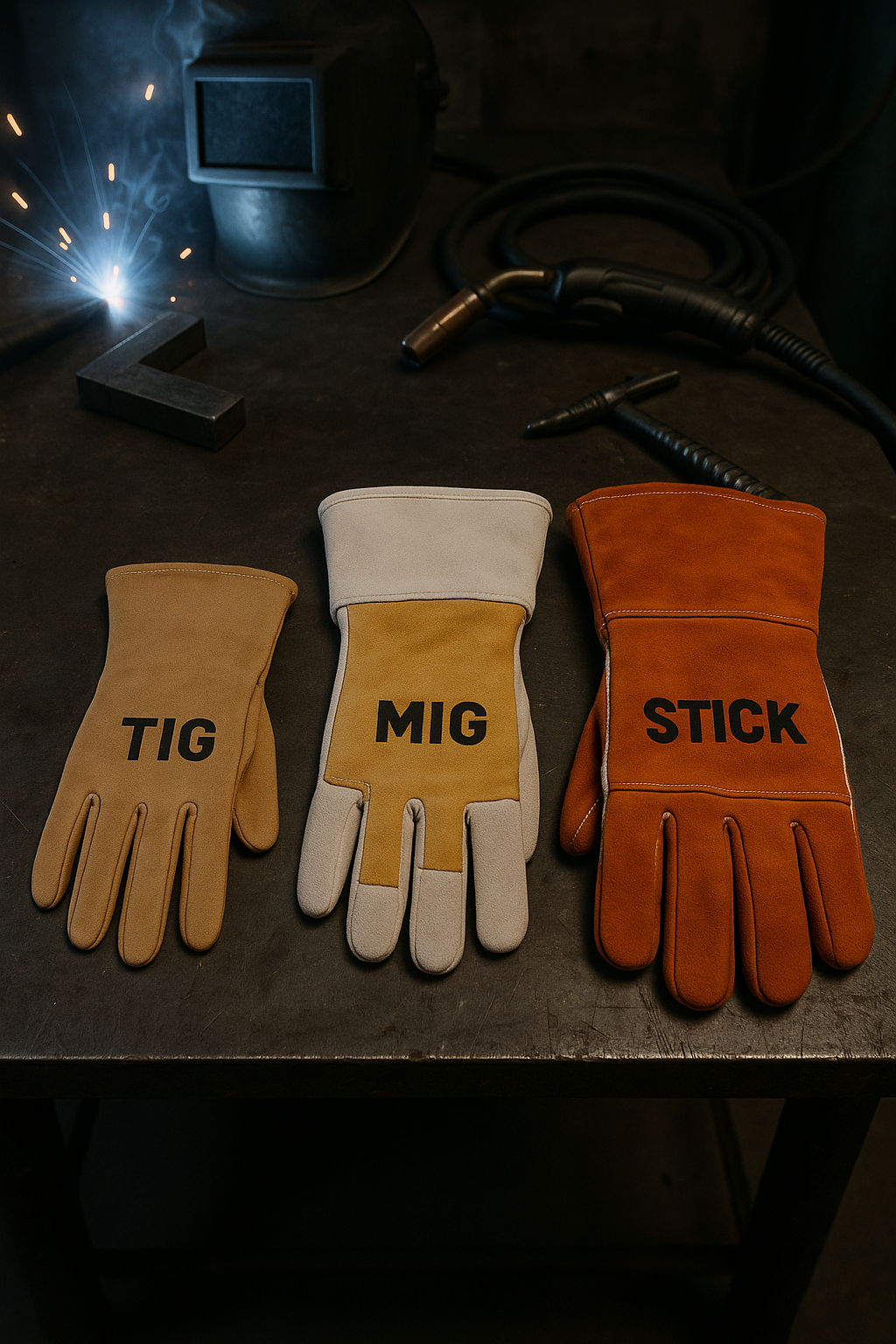
When it comes to welding, your gloves aren’t just accessories — they’re your first line of defense. Whether you’re laying down delicate TIG beads or burning heavy rod on a stick job, the right glove makes a massive difference in comfort, control, and safety. Tillman, one of the most trusted names in welding PPE, offers gloves tailored specifically for MIG, TIG, and Stick processes. But which model is right for your work?
Let’s break it down.
TIG Welding: Thin, Precise, and Flexible
TIG welding demands finesse, and that means your gloves need to offer maximum dexterity with minimal bulk. Tillman’s TIG gloves are crafted from premium materials like top-grain goatskin or kidskin leather, both known for their softness and flexibility.
Best Pick: Tillman 24C or 1338
Material: Kidskin (24C) or Goatskin (1338)
Why it works: Lightweight, form-fitting, and durable enough to take the heat while giving you fingertip control.
Bonus: Some TIG models include a seamless forefinger for improved feel on the torch.
Last update on 2026-03-12 / Affiliate links / Images from Amazon Product Advertising API
These gloves won’t last forever if you’re dragging filler rod or working in high-amp applications — but for clean, controlled TIG work, they’re ideal.
MIG Welding: Balance of Dexterity and Protection
MIG welding hits that middle ground. You need enough finger feel to control your gun and trigger, but more insulation than TIG gloves offer. Spatter is more common here, so longer cuffs and more heat resistance matter.
Best Pick: Tillman 42 or 48
Material: Top-grain cowhide with cotton or fleece lining
Why it works: Durable with added lining for spatter protection, while still flexible enough for wire-feed control.
Bonus: The reinforced palm patch on some models adds grip and extends glove life.
Price For: Each Stitching Material: Kevlar(R) Grade of Leather: A Design: (2) Piece Back Item: Welding Gloves Size: L Color: Tan Cuff Material: Split Cowhide Leather Lining Material: Cotton/Foam Length: 12″ Cuff: 4″ Gauntlet Cut: Gunn Thumb Style: Reinforced Application: MIG Back Material: Grain Pigskin Palm Material: Pigskin
Leather Palm Type: Top Grain Country of Origin (subject to change): Unknown
Last update on 2026-03-12 / Affiliate links / Images from Amazon Product Advertising API
These are workhorses—great for shop use, structural jobs, or fabrication tasks where comfort and toughness must coexist.
Stick Welding: Heat, Spatter, and Brutal Conditions
Stick welding is where gloves get put through hell — sparks flying, rods burning, slag popping. You need insulation, thick leather, and a long gauntlet cuff. Dexterity takes a back seat to safety and durability.
Best Pick: Tillman 750 or 850
Material: Premium side-split cowhide or elk skin
Why it works: High heat resistance, rugged build, and foam-lined backs for heavy-duty work.
Bonus: Kevlar stitching on these gloves helps prevent seam blowouts under repeated thermal cycling.
Tillman Large Pearl Gray 14″ Top Grain Elk Cotton/Foam Lined Welders Gloves With Straight Thumb, Stiff Cowhide Cuff, Welted Fingers, Kevlar Stitching And Pull Tab (Carded)
John Tillman and Co
John Tillman and Co – 750l
Pull Tab – provides easy on/off and extra protection while dragging a welding gun. Straight Thumb – for best gun grip. Top Grain Elk Back and Palm – superior feel and performance
Last update on 2026-03-12 / Affiliate links / Images from Amazon Product Advertising API
These gloves are built to last, especially for welders working outdoors, in field repair, or on dirty, high-amperage stick jobs.
Choosing the Right Fit
When selecting gloves, don’t go by price or looks — go by process. Consider:
Heat exposure: TIG runs cooler, Stick runs hot.
Dexterity needs: TIG demands precision, Stick does not.
Work duration: Longer sessions mean you’ll want gloves that stay comfortable.
Also, sizing matters. Too loose, and you’ll lose control. Too tight, and you’ll lose circulation — and feel every arc pulse.
Final Thoughts
Tillman has been a staple in welding PPE for a reason — their gloves are purpose-built for the demands of each welding process. Choosing the right pair isn’t just about comfort — it’s about staying safe, welding better, and protecting your hands for the long haul. Stay safe, weld strong.
If you’re ready to gear up, we’ve linked our recommended Tillman gloves for each welding process below.
As an affiliate, we may earn from qualifying purchases at no extra cost to you.
Welding can be unforgiving, especially on your gear. Sparks, slag, spatter, and high-heat surfaces aren’t just dangerous to your skin—they’ll shred your footwear fast if you’re not wearing the right boots.
In this guide, we’re spotlighting the best flame-resistant (FR) welding boots of 2025. These options are all available on Amazon, reviewed by real welders, and built for serious work.
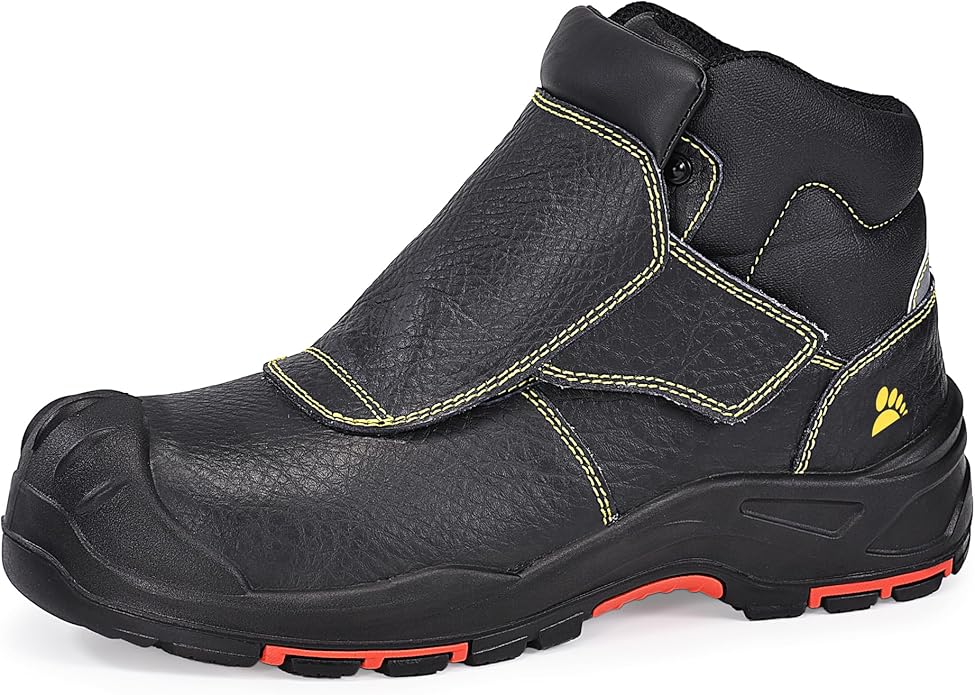
SAFETOE Composite Toe Welding Boots
These boots are purpose-built for welding environments—no fluff, just fire-resistant function.
Toe Protection: Composite toe meets ASTM F2413-18 standards
FR Rating: Leather upper and Kevlar stitching resist flames, sparks, and slag
Sole Specs: Heat resistant to 300°C, electrical hazard rated, and anti-slip rubber outsole
Comfort: Shock-absorbing midsole and padded collar for all-day wear
Best For: Welders needing maximum protection and long-term durability
Price: Around $90 Amazon Rating: 4.7★ from verified buyers
🔥【COW LEATHER WELDING BOOTS】: This welding working protect boots are made from 100% high-quality Nubuck Cow Leather, which provides a good mix of durability, and flexible with moderate heat and abrasion resistance. So it can effectively improve your work efficiency
🔥【CE & ASTM CERTIFICATION】: Keep your feet safe with mens composite toe welder boots, which are CE(EN Iso 20344:2011-8.7) & ASTM(ASTM:F2413-18a Heat-resistant) approved and meet american standard. with composite toe cap welding boot offer wide fitting, inserted anti-nail kevlar midsole provide anti-puncture resistant performance.Suit for electric welding, construction, mechanical processing, splash proof, heat resistant Leg Welding Spats, Shoe/Boot Protectors
🔥【SUPERIOR COMFORTABLE】: These welding safety boots offer thickness and soft shock absorption foam memory insoles,breathable air hole mesh keep your feet dry and anti-fatigue on hot days, fiber structures provide nice and warm on cold days. Repeated Impact Protection, Comfort, Breathable, Thin and Lightweight, Endurance
🔥【EXTREME HEAT-RESISTANT】: These men welding boots out-sole are made of 300℃ Resistant Dual PU/Rubber , with SRC ,HRO performance anti-slip and wear resistance. Yellow fire lines Stitching with fire resistant thread provides spark and abrasion resistance. Meet needs of those who work in electric welding, construction, mechanical processing, splash proof, heat resistant environments
🔥【WIDELY APPLICATION】: Suit for electric welding, construction, mechanical processing, splash proof, heat resistant Leg Welding Spats, Shoe/Boot Protectors Cover, blacksmithing spats, work spats, boot spats, butcher, handling and cleaning, car maintenance, household farming, Barbecue, glass processing and other safe workplaces. A great welder gift for men! and SAFETOE Brand Safety Work Boots offer 30 Days Money Back and 6 Month Quality Warranty
Last update on 2026-03-12 / Affiliate links / Images from Amazon Product Advertising API
2. SFSDOUN Steel Toe Slip-On Welding Boots
If you prefer a pull-on style with solid protection and a budget-friendly price, this one’s for you.
Toe Protection: Reinforced steel toe for impact and compression resistance
FR Rating: Suede leather upper is naturally flame-resistant
Sole Specs: Rubber sole is oil, slip, and heat-resistant
Convenience: Elastic sides allow quick slip-on/slip-off—no laces to melt
Best For: Shop welders or light fabrication where convenience matters
Price: Around $40 Amazon Rating: 4.5★ average, great for the price point
🔥【COW LEATHER WELDING BOOTS】: This welding working protect boots are made from 100% high-quality Nubuck Cow Leather, which provides a good mix of durability, and flexible with moderate heat and abrasion resistance. So it can effectively improve your work efficiency
🔥【METATARSAL PROTECTION】: Keep your feet safe,mens composite toe welder boots with extra metatarsal protection , which are CE(EN Iso 20344:2011-8.7) & ASTM(ASTM:F2413-18a Heat-resistant) approved and meet american standard. with composite toe cap welding boot offer wide fitting, inserted anti-nail kevlar midsole provide anti-puncture resistant performance.Suit for electric welding, construction, mechanical processing, splash proof, heat resistant Leg Welding Spats, Shoe/Boot Protectors
🔥【SUPERIOR COMFORTABLE】: These welding safety boots offer thickness and soft shock absorption foam memory insoles,breathable air hole mesh keep your feet dry and anti-fatigue on hot days, fiber structures provide nice and warm on cold days. Repeated Impact Protection, Comfort, Breathable, Thin and Lightweight, Endurance
🔥【EXTREME HEAT-RESISTANT】: These men welding boots out-sole are made of 300℃ Resistant Dual PU/Rubber , with SRC ,HRO performance anti-slip and wear resistance. Yellow fire lines Stitching with fire resistant thread provides spark and abrasion resistance. Meet needs of those who work in electric welding, construction, mechanical processing, splash proof, heat resistant environments
🔥【WIDELY APPLICATION】: Suit for electric welding, construction, mechanical processing, splash proof, heat resistant Leg Welding Spats, Shoe/Boot Protectors Cover, blacksmithing spats, work spats, boot spats, butcher, handling and cleaning, car maintenance, household farming, Barbecue, glass processing and other safe workplaces. A great welder gift for men! and SAFETOE Brand Safety Work Boots offer 30 Days Money Back and 6 Month Quality Warranty
Last update on 2026-03-12 / Affiliate links / Images from Amazon Product Advertising API
🔍 Comparison Table
Feature
SAFETOE Comp‑Toe
SFSDOUN Slip-On
SAFETOE Alt-Style
Toe Protection
Composite
Steel
Composite
FR Upper
Leather + Kevlar
Suede Leather
Leather + Kevlar
Heat Resistance
Up to 300°C
Moderate
Up to 300°C
Sole Features
EH, anti-slip
Oil/slip/heat resistant
EH, anti-slip
Fit Style
Lace-up
Pull-on
Lace-up
Price Range
~$90
~$40
~$90–100
Best For
Full protection
Budget shop work
Fit/style variation
What to Look For in Welding Boots
FR Materials: Leather or suede are your best bet—synthetics can melt.
Toe Type: Steel for maximum protection, composite for lighter weight and electrical safety.
Sole Grip: Look for oil, slip, and heat resistance with EH (Electrical Hazard) rating.
Fit & Comfort: You’ll be on your feet all day—comfort matters more than style.
Boot Height: 6 inches or higher protects your ankles from sparks and falling slag.
Final Thoughts
Welding boots aren’t a place to cut corners. Whether you’re in the shop or on the job site, proper FR-rated footwear protects you from fire hazards, falling objects, and hot surfaces.
For all-day comfort and safety, SAFETOE’s composite toe boots top the list. Need something more affordable? The SFSDOUN slip-on offers strong protection at a budget price. And for welders looking for an alternate fit or style, the SAFETOE alt model is a solid choice.
Disclosure:As an Amazon Associate, we may earn commissions from qualifying purchases made through links in this post.
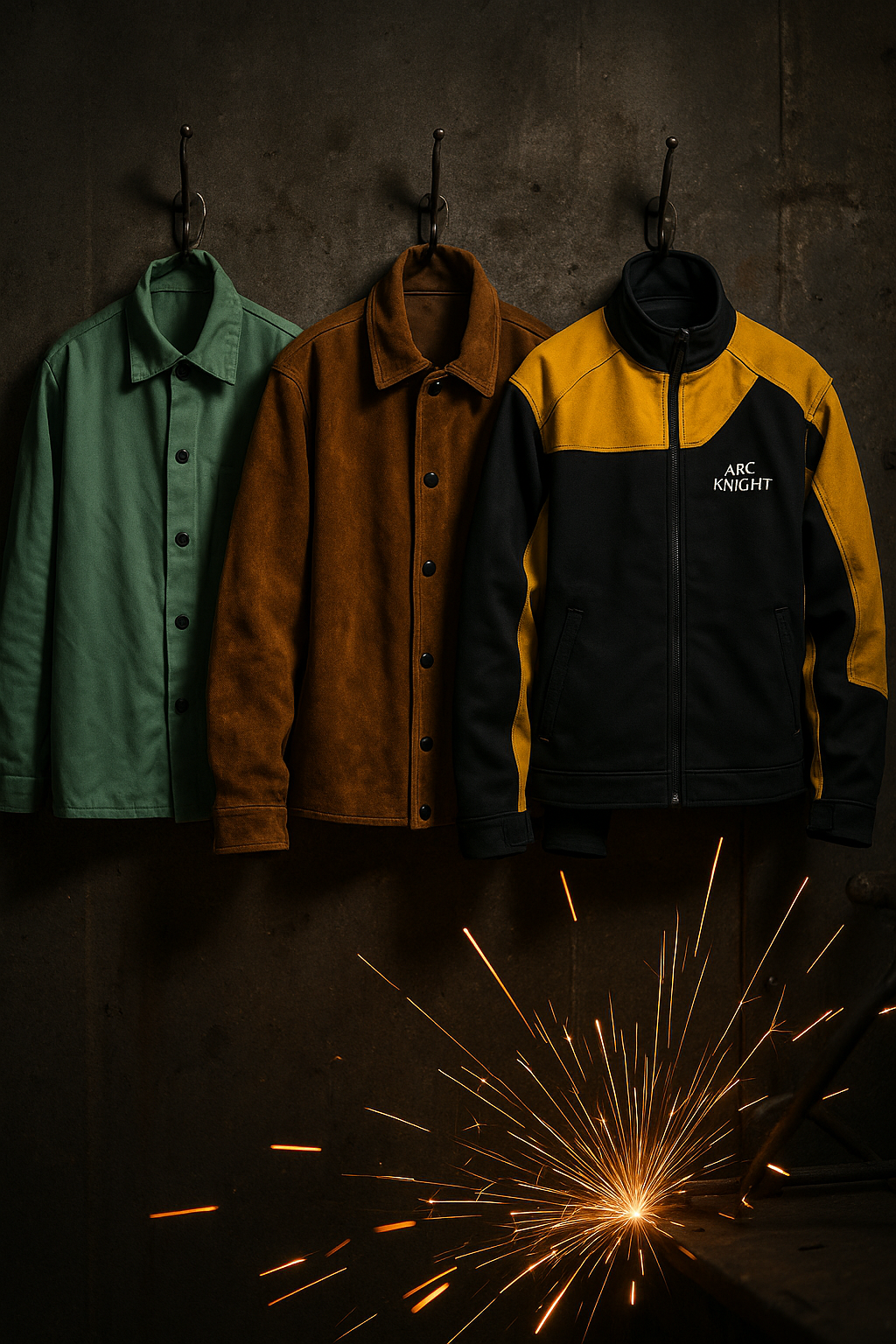
When it comes to welding safety, your jacket isn’t just part of the uniform—it’s your frontline defense. Sparks fly, UV rays burn, and slag splatters. That’s why flame-resistant welding jackets are a must on any job site. But with options like cotton, leather, and high-performance brands like the Weldas Arc Knight, which one’s best for you?
Here’s a breakdown of the three most popular materials for welding jackets, and which might be the best fit for your work style and budget.
Cotton Welding Jackets: Lightweight and Affordable
Best for: Light-duty welding, warm climates, and tight budgets.
Flame-resistant cotton jackets are treated with fire-retardant chemicals to resist ignition. They’re light, breathable, and comfortable to wear for extended periods—especially in hot shops or outdoor summer jobs.
Last update on 2026-03-12 / Affiliate links / Images from Amazon Product Advertising API
Good Fit: DIY welders, auto repair, and maintenance crews who want protection without the bulk.
Leather Welding Jackets: Heavy-Duty Protection
Best for: High-amp welding, overhead work, and job sites where spatter is constant.
Leather is naturally flame- and heat-resistant. Cowhide and pigskin are the most common types used in welding jackets. Though heavier, leather offers top-tier protection against sparks, slag, and grinding debris.
Last update on 2026-03-12 / Affiliate links / Images from Amazon Product Advertising API
Good Fit: Structural welders, industrial settings, and fabrication shops where safety trumps comfort.
Weldas Arc Knight: Premium Hybrid Performance
Best for: Professionals who want the best of both worlds—comfort and protection.
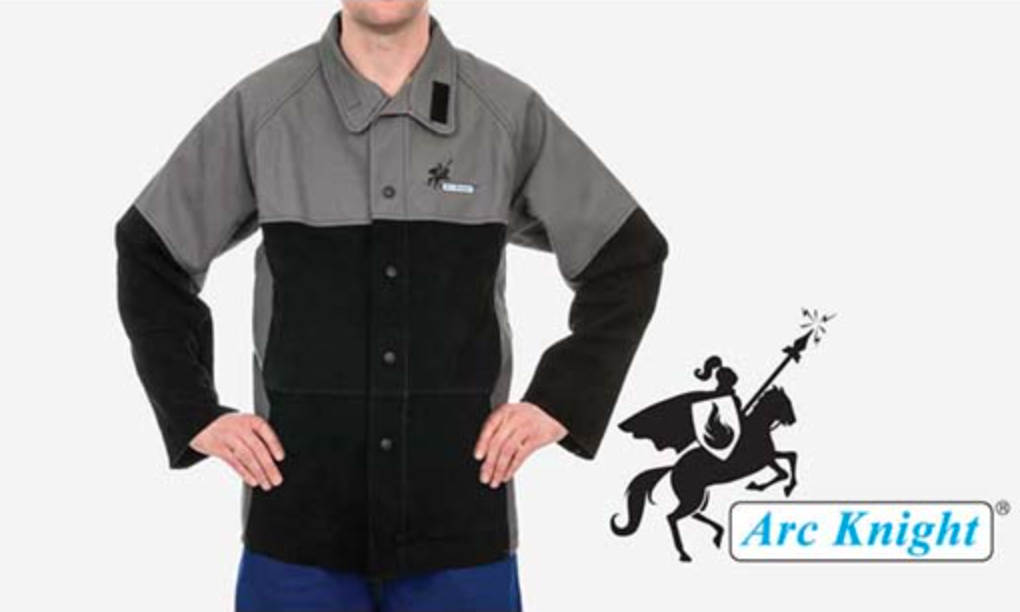
The Weldas Arc Knight jacket combines the flexibility of cotton with the durability of leather. Typically, it features a flame-resistant cotton body for airflow and comfort, with leather sleeves and shoulders for high-wear protection. This makes it a go-to for all-day wear in demanding environments.
Pros:
Cotton body reduces heat and improves mobility
Leather arm shields high-impact zones
Stylish, pro-grade construction
High collar and wrist closures for added coverage
Cons:
Mid-to-high price range
Not ideal for constant grinding or overhead work without additional gear
Material Composition: Grey Heavy Duty FR Cotton and Black Side Split Cowhide Leather
Key Features: Black Kevlar stitching, dielectric snaps, spatter guard
Last update on 2026-03-12 / Affiliate links / Images from Amazon Product Advertising API
Good Fit: Experienced welders who want one jacket to do it all—without compromising safety or comfort.
Final Thoughts: Which One’s Right for You?
Choosing the right welding jacket depends on your typical job, climate, and personal comfort preferences:
Material
Best For
Budget Range
Cotton
Light-duty, hot climates
$30–$60
Leather
Heavy-duty, all-around protection
$80–$150
Weldas Arc Knight
Mixed-use, professional welders
$70–$120
No matter your choice, make sure your jacket fits snugly, offers neck and wrist coverage, and is certified flame-resistant.
We may earn a commission through affiliate links in this post at no extra cost to you. Your support helps keep the sparks flying here at Weld Support Parts.
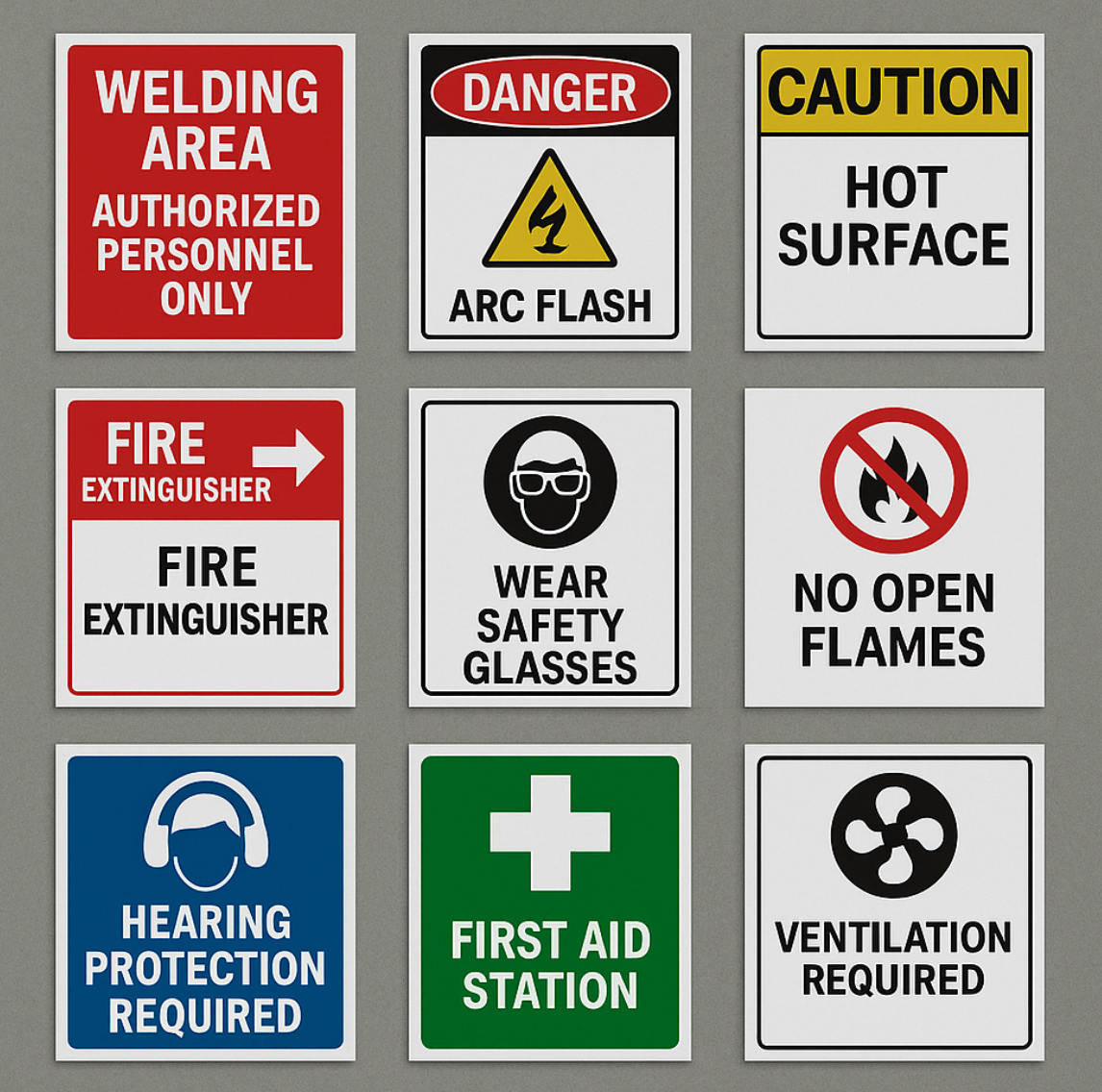
When it comes to maintaining a safe environment in a welding shop, Welding Safety: Essential OSHA Signs for Your Shop is a crucial resource. This collection of safety signs is specifically designed to adhere to Occupational Safety and Health Administration (OSHA) standards, offering a clear and effective way to communicate potential hazards and safety protocols. Whether you’re a shop owner or a safety officer, these signs help prevent accidents and ensure compliance with safety regulations, which is why they are indispensable for any welding operation.
Key Features
Welding Safety: Essential OSHA Signs for Your Shop provides an array of distinct signs tailored for welding environments. Crafted with durable, high-visibility materials, each sign clearly indicates safety requirements and warnings. They feature essential safety messages, such as “Wear Eye Protection,” “High Voltage Area,” and “No Smoking.” These signs are designed for easy installation and come in various sizes to suit different locations. Their compliance with OSHA standards is a key selling point, ensuring that users are aligned with legal safety mandates.
Pros & Cons
– Pros: – OSHA-compliant – Durable and weather-resistant – Clear, high-visibility designs – Easy to install – Available in multiple sizes
– Cons: – May require regular updates if safety protocols change – Initial investment cost can be high for larger shops
Who It’s For
Welding Safety: Essential OSHA Signs for Your Shop is ideal for welding shop owners, managers, and safety officers who prioritize workplace safety. It’s also suitable for educational institutions with welding programs that need to comply with safety regulations. Any environment where welding activities are performed will benefit from these signs, making them versatile tools for enhancing safety and awareness.
What Makes It Unique
What sets Welding Safety: Essential OSHA Signs for Your Shop apart is its comprehensive adherence to OSHA standards, combined with high-quality materials that withstand harsh shop conditions. Unlike generic safety signs, these are specifically tailored for welding environments, ensuring that all safety messages are relevant and impactful. Additionally, their range of sizes and ease of installation make them adaptable to various workspace configurations.
Buying Tips
When purchasing Welding Safety: Essential OSHA Signs for Your Shop, consider the specific hazards prevalent in your shop to choose the right mix of signs. Evaluate the areas where signs are most needed, such as near high-risk equipment or entry points. Consider investing in complementary protective gear or barrier systems to enhance overall safety. Ensure that signs are positioned for maximum visibility and regularly inspect them for wear and tear to maintain their effectiveness.
Conclusion
Welding Safety: Essential OSHA Signs for Your Shop is an essential investment for maintaining a safe welding environment. With their compliance, durability, and clear messaging, these signs provide peace of mind and help prevent workplace accidents. By choosing these OSHA-compliant signs, you’re making a proactive step towards creating a safer shop.
We may earn a small commission through Amazon affiliate links, at no extra cost to you.
Stay OSHA Compliant in Your Shop
Download printable welding safety signs to keep your crew informed and protected.
When it comes to welding, safety should always be at the forefront of every welder’s mind. One of the most critical aspects of ensuring safety in this hazardous profession is wearing a high-quality welding jacket. The Weldas Arc Knight Welding Jacket stands out as a vital piece of protective gear for welders of all skill levels. This jacket not only guarantees safety from sparks and splatter but also maximizes comfort, making it a vital addition to a welder’s wardrobe.
The Importance of Welding Jackets
Welding is a profession that exposes workers to a variety of hazards, including intense heat, flying debris, and harmful UV rays. A welding jacket serves as a protective barrier between a welder and these hazards. It is designed to withstand high temperatures, resist flame, and protect against burns, while also incorporating features for comfort and ease of movement.
Understanding Welding Hazards
Before diving into the specifics of the Weldas Arc Knight Welding Jacket, it is essential to understand the risks associated with welding. Welders face exposure to:
Heat and Flame: Direct exposure to flames and high-temperature materials can lead to severe burns if proper protective gear is not worn.
Sparks and Spatter: Molten metal droplets can fly off during welding processes, and without adequate protective clothing, it can result in painful injuries.
UV Radiation: The ultraviolet rays emitted during welding can cause skin damage similar to sunburn, making protective clothing indispensable.
Key Features of the Weldas Arc Knight Welding Jacket
The Weldas Arc Knight Welding Jacket is specifically designed to provide comprehensive protection while ensuring the comfort of the wearer. Here are some standout features:
1. Flame-Resistant Material
The jacket is constructed from flame-resistant materials that can withstand extreme temperatures. This feature is crucial for protecting against the intense heat generated during welding.
2. Lightweight and Comfortable
Many welding jackets can be heavy and cumbersome. However, the Weldas Arc Knight is designed to be lightweight, allowing for freedom of movement while not compromising on safety. Welders can perform tasks more easily without the weight dragging them down.
3. Adjustable Fit for Maximum Comfort
Comfort extends beyond just weight; having the right fit is essential. The Weldas Arc Knight features adjustable cuffs and waistbands, allowing welders to customize the fit according to their body type, which helps minimize the risk of sparks entering the jacket.
4. Multiple Pockets for Convenience
Welders often require tools and small accessories close at hand. This jacket includes several pockets, providing easy access to essential items while keeping the hands free for work.
5. Breathability
Welding can cause significant sweating, especially in warm environments. The breathable fabric of the Weldas Arc Knight helps regulate body temperature, allowing welders to remain comfortable even during long working hours.
The Impact of Quality Gear on Performance
Investing in quality protective equipment, like the Weldas Arc Knight Welding Jacket, can have a profound effect on a welder’s performance. With safety and comfort taken care of, welders can focus better on their tasks. Quality gear can lead to:
Reduced Injury Risk: Proper protective clothing minimizes the chances of accidents and injuries, which ensures that welders can continue working safely.
Increased Productivity: Comfort translates to efficiency. When welders are not hindered by discomfort, they can work more effectively and complete their tasks quicker.
Enhanced Job Satisfaction: Wearing comfortable and reliable protective gear contributes to higher job satisfaction, as workers feel safer and more empowered in their roles.
Comparison with Other Welding Jackets
While there are numerous options available in the market, not all welding jackets are created equal. The Weldas Arc Knight distinguishes itself through its combination of safety features, comfort, and durability. Compared to standard options, the Arc Knight provides:
Superior Material Quality: Other jackets may use inferior materials that do not offer the same level of flame resistance and durability.
Better Design: Many competitors overlook the importance of meriting comfort and function, leading to jackets that can impede movement or not fit well.
Functionality: The inclusion of practical pockets and adjustable elements makes the Weldas Arc Knight a preferred choice for many professionals.
Tips for Choosing the Right Welding Jacket
When looking for a welding jacket, consider the following tips to ensure you make the right choice:
Identify Your Welding Needs: Different welding processes may require different types of protective gear, so understand your working environment.
Check Material Specifications: Ensure the fabric meets safety standards set for welding gear.
Look for Comfort Features: Opt for jackets that offer adjustable fittings and breathable materials.
Read Reviews: Experience from other welders can provide insights into the jacket’s performance in real-world conditions.
Conclusion
In conclusion, the importance of wearing a quality welding jacket cannot be overstated. The
” rel=”noreferrer noopener” target=”_blank”>Weldas Arc Knight Welding Jacket offers the perfect blend of safety, comfort, and functionality, making it an essential piece of gear for any welder. By prioritizing protective clothing, welders can ensure their safety while enhancing their overall work experience and productivity. Investing in high-quality protective gear is not just a choice; it’s a statement of professionalism and respect for the craft.
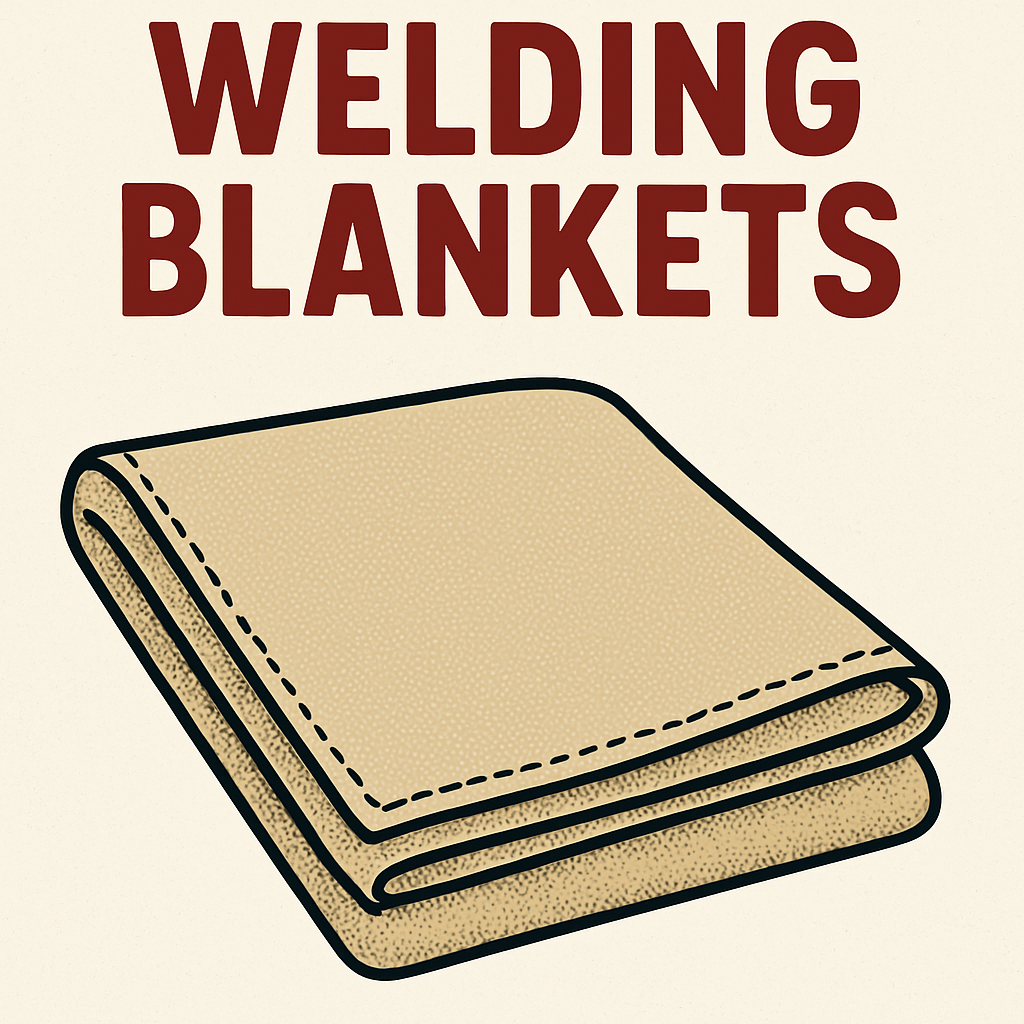
When sparks fly, safety should never take a back seat. Welding blankets are one of the most effective, low-cost tools for protecting workers, equipment, and nearby materials from heat, sparks, and slag. But not all welding blankets are created equal, and improper use can lead to dangerous fire hazards or costly mistakes. Here’s what you need to know to use a welding blanket safely and choose the right type for the job.
What Is a Welding Blanket?
A welding blanket is a heat-resistant cover made from fireproof materials that protects surfaces and personnel during welding, cutting, or grinding operations. Blankets can be draped over equipment, wrapped around nearby objects, or laid on the floor to contain sparks and molten metal.
Common Types of Welding Blankets
Each material offers different levels of heat protection and flexibility:
Fiberglass Welding Blankets Fiberglass is the most common and budget-friendly option. It’s lightweight and resists temperatures up to 1000°F (538°C). Some versions have a heat-treated or vermiculite coating to reduce fraying and increase durability. Great for general-purpose shielding, but not ideal for high-intensity applications.
Silica Welding Blankets Silica fabric withstands much higher temperatures—up to 1800°F (982°C)—making it ideal for more demanding environments. It’s flexible and provides excellent thermal insulation, though it comes at a higher cost.
Slow-Cool Welding Blankets These are specially designed to slow down the cooling process of hot metal, helping to prevent cracking in welds or castings. While they may resemble other blankets, their specific purpose is post-weld heat retention, not spark containment.
Carbon Fiber Welding Blankets Known for their extreme heat resistance—up to 3000°F (1649°C)—carbon fiber blankets are used in the most intense applications. They’re also non-combustible and don’t produce toxic fumes when exposed to flame, making them ideal in confined or enclosed spaces.
How to Use a Welding Blanket Safely
Using a welding blanket correctly isn’t just about laying it down. Follow these safety best practices to get the most protection:
Inspect Before Each Use Check for burns, tears, or excessive fraying. Damaged blankets should be replaced immediately—they can’t be trusted to perform under high heat.
Secure the Blanket in Place Use clamps or grommets to prevent shifting. A poorly positioned blanket can leave gaps where sparks or slag can reach unprotected surfaces.
Maintain Proper Clearance Keep flammable materials a safe distance away—even if they’re behind the blanket. No welding blanket is foolproof, and some heat can transfer through the material over time.
Don’t Use Wet or Contaminated Blankets Moisture, oil, or solvents can make even a fire-resistant blanket dangerous. Keep them clean and dry to maintain their protective qualities.
Use the Right Blanket for the Right Job Choose the material based on temperature exposure, flexibility needs, and job duration. Using a fiberglass blanket where a carbon fiber one is needed can lead to failure and injury.
Final Thoughts
Whether you’re welding in a shop or on-site, a welding blanket is a simple but vital tool for fire resistance and safety. By understanding the differences between materials like fiberglass, silica, slow cool, and carbon fiber—and following proper safety procedures—you can reduce fire hazards and keep your workspace secure.


 Note for Readers: