Category: Oxy-Fuel Equipment

  • Oxy/Fuel Comparison: Acetylene vs Propane vs Chemtane vs Propylene

    โ€œChemtaneโ€ is generally a branded propylene-based fuel gas blend used as an alternative to acetylene. In practice, oxy/chemtane behaves much closer to oxy/propylene than oxy/propane.


    QUICK COMPARISON TABLE

    Fuel GasHottest FlameBest UseCan Weld Steel?Cutting SpeedOxygen UseCostNotes
    Oxy/AcetyleneHighestWelding, brazing, fast piercingYesVery fast pierceLowestHighestTight focused flame
    Oxy/PropaneLowerHeating, scrap cutting, large plateNot idealGood after preheatHighLowestCheap and widely available
    Oxy/ChemtaneMid-highCutting/heating production workRarelyFastModerate-highMidCleaner cuts than propane
    Oxy/PropyleneMid-highCutting/heatingLimitedFastModerate-highMidOften preferred over propane

    RELATIVE FLAME TEMPERATURES

    Approximate maximum flame temperatures in oxygen:

    • Oxy/Acetylene: ~5720ยฐF / 3160ยฐC
    • Oxy/Propane: ~5110ยฐF / 2825ยฐC
    • Oxy/Propylene: ~5300โ€“5400ยฐF / ~2900ยฐC
    • Oxy/Chemtane: similar to propylene blends

    WHAT ACTUALLY MATTERS MORE THAN FLAME TEMPERATURE

    ACETYLENE

    • More heat is concentrated in the inner cone
    • Extremely focused flame
    • Faster piercing
    • Better puddle control for fusion welding
    • Easier to gas weld steel

    Best for:

    • gas welding
    • brazing
    • sheet metal work
    • precision heating
    • quick starts on thick cuts

    PROPANE

    • More heat in the outer cone
    • Broader flame
    • Slower preheat
    • Excellent total BTU output

    Best for:

    • rosebud heating
    • bending
    • large heating jobs
    • scrap cutting
    • long production cuts

    Propane is usually cheaper per hour to run, but it consumes more oxygen.

    PROPYLENE / CHEMTANE

    • Hotter and faster than propane
    • Cleaner cuts
    • Less slag
    • Better preheat behavior
    • Less tip fouling
    • Still not ideal for traditional gas welding steel

    Common in:

    • CNC oxyfuel cutting
    • heavy plate cutting
    • production torch work
    • lower-cost cutting operations

    REAL-WORLD DIFFERENCES

    1. WELDING CAPABILITY
    FuelSteel Fusion Welding
    AcetyleneExcellent
    PropanePoor
    PropyleneLimited
    ChemtaneLimited

    Acetylene remains the standard for traditional oxy-fuel steel welding because of the concentrated reducing flame and high inner cone temperature.


    2. HEATING PERFORMANCE

    FuelHeating Large Areas
    AcetyleneGood
    PropaneExcellent
    PropyleneExcellent
    ChemtaneExcellent

    For rosebud heating, propane and propylene blends are commonly preferred because they provide high total BTU output economically.


    3. CUTTING PERFORMANCE

    FuelPiercingLong CutsSlag
    AcetyleneBestVery goodModerate
    PropaneSlowerExcellentModerate
    PropyleneFastExcellentLower
    ChemtaneFastExcellentLower

    Acetylene starts cuts faster. Propylene and Chemtane often outperform propane in production cutting.


    4. COST

    Typical ranking from most expensive to least:

    1. Acetylene
    2. Propylene / Chemtane
    3. Propane

    Note:
    Propane may use substantially more oxygen, which changes real operating cost.


    5. SAFETY & HANDLING

    ACETYLENE

    • Unstable at higher pressures
    • Special cylinder handling required
    • Cannot safely exceed certain withdrawal rates
    • More sensitive fuel

    PROPANE / PROPYLENE / CHEMTANE

    • More stable
    • Easier storage
    • Safer transport characteristics
    • Better for high-volume industrial use

    TORCH & TIP DIFFERENCES

    You generally cannot run propane, propylene, or Chemtane effectively through standard acetylene cutting tips.

    Alternative fuels usually require:

    • injector-style torches
    • multi-piece cutting tips
    • larger preheat orifices

    Verify:

    • torch fuel compatibility
    • mixer type
    • tip series
    • regulator compatibility
    • hose rating (Grade T preferred for alternative fuels)

    BEST CHOICE BY APPLICATION

    ApplicationBest Fuel
    Gas welding steelAcetylene
    BrazingAcetylene
    HVAC brazingAcetylene or Propylene
    Scrap cuttingPropane
    Heavy heatingPropane or Propylene
    CNC plate cuttingPropylene / Chemtane
    Portable repair workAcetylene
    Lowest fuel costPropane
    Fastest pierceAcetylene

    BOTTOM LINE

    • Choose oxy/acetylene if you need welding capability, precision flame control, or fast piercing.
    • Choose oxy/propane for economical heating and general cutting.
    • Choose oxy/propylene or oxy/chemtane when you want a balance of lower cost, fast cutting, cleaner cuts, and better production efficiency.

    For most modern cutting-only shops:

    • Propylene blends are replacing acetylene
    • Propane remains common for budget heating/cutting
    • Acetylene still dominates gas welding and repair work
  • Oxy-Acetylene Torch Backfire vs Flashback: Causes and Fixes

    Backfire and flashback events in oxy-acetylene torches indicate improper gas flow, tip condition issues, or unsafe operating practices. While a backfire is typically a momentary pop, a flashback is more serious and can travel into the torch or hoses, creating a significant safety hazard.

    Key Takeaways

    • Backfire is a short pop; flashback is a sustained flame reversal
    • Dirty or damaged tips are a common cause
    • Incorrect gas pressures disrupt flame stability
    • Blocked hoses or regulators increase flashback risk
    • Flashback arrestors are critical safety components

    Problem / Context

    Oxy-fuel systems rely on controlled gas flow and proper mixing at the torch tip. When this balance is disrupted, combustion can occur inside the tip or travel backward into the system. Understanding the difference between backfire and flashback is essential for safe troubleshooting and prevention.

    Root Causes

    • Clogged or dirty tip: restricts gas flow and causes unstable combustion
    • Incorrect gas pressure: improper oxygen-to-fuel ratio
    • Loose tip or connections: creates internal leaks
    • Overheating tip: increases risk of ignition inside the tip
    • Blocked hoses or regulators: restricts flow and pressure stability
    • Missing flashback arrestors: no protection against reverse flame travel

    Solution / Explanation

    • Clean torch tips using proper tip cleaners sized for the orifice
    • Verify gas pressures match manufacturer recommendations
    • Tighten all connections securely before operation
    • Allow the torch to cool if overheating occurs
    • Inspect hoses and regulators for restrictions or damage
    • Install and maintain flashback arrestors on both oxygen and fuel lines

    Specs / Verification Notes

    • Operating Pressure (Oxygen): Unknown (Verify)
    • Operating Pressure (Acetylene): Unknown (Verify)
    • Tip Size: Application dependent
    • Flashback Arrestor Rating: Unknown (Verify)
    • Hose Type: Grade R or T (application dependent)

    Comparison Table

    ConditionSymptomSeverityCorrection
    BackfireLoud pop, flame extinguishesLowClean tip, adjust pressure
    FlashbackHissing or whistling, flame inside torchHighClean or replace the tip
    Clogged TipUnstable flameMediumHissing or whistling, flame inside the torch
    Low Gas PressureWeak or sputtering flameMediumAdjust regulator settings

    Safety Notes

    Follow ANSI Z49.1 and CGA safety guidelines for oxy-fuel systems. Always use flashback arrestors and check valves. Shut off the gas supply immediately if a flashback is suspected. Never operate damaged equipment.

    FAQ

    What is the difference between backfire and flashback?

    Backfire is a brief pop with flame extinguishing, while flashback involves flame traveling back into the torch or hoses.

    What should be done during a flashback?

    Immediately shut off oxygen first, then fuel gas, and inspect the system before reuse.

    Can dirty tips cause flashback?

    Yes. Restricted gas flow from clogged tips is a common trigger for both backfire and flashback.

    Next Step

    Inspect the torch system, clean the tip, and verify gas pressures before next use. Install flashback arrestors if not already present to reduce risk.

    Sources Checked

    • ANSI Z49.1 Safety in Welding and Cutting
    • CGA (Compressed Gas Association) safety guidelines
    • Oxy-fuel torch manufacturer manuals (general reference)
  • Victor 0381-1621 ST900FC Torch Assembly: Review & Buying Guide

    Victor 0381-1621 ST900FC Torch Assembly: Review & Buying Guide

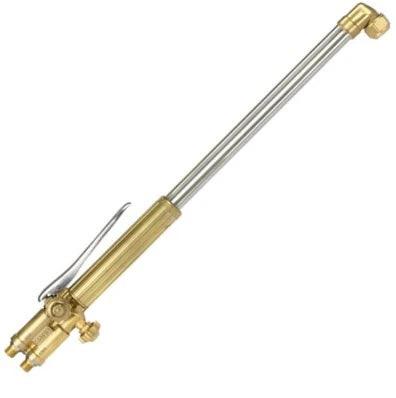
    Victorโ€™s ST900FC is a workhorse torch handle for oxy-fuel cutting and heating. Itโ€™s the current flow-control version of the classic 100-series design, built for reliability in fabrication shops, maintenance departments, and field repair work. This guide covers specs, performance details, and selection notes for welders and fabricators.


    Key Takeaways

    • Heavy-duty Victor 0381-1621 torch assembly
    • Part of Victorโ€™s ST900FC line with built-in Flash-Guardยฎ check valves
    • Compatible with standard Victor cutting attachments (CA1350, CA2460 series, etc.)
    • Brass body, high-flow valves, rugged construction for shop or field use
    • Solid choice for oxy-fuel cutting, gouging, and preheat/heating work

    What the ST900FC Solves

    1. Flashback protection

    Built-in Flash-Guardยฎ check valves help meet OSHA/ANSI recommendations for flashback prevention.

    2. Consistent flow control

    High-flow needle valves allow smoother oxygen/fuel metering than older economy torch bodies.

    3. Shop-grade durability

    Brass body and metal valve assemblies handle frequent usage, heat cycling, and impacts better than light-duty consumer torches.


    Specs (per manufacturer data)

    • Model: Victor ST900FC
    • Part Number: 0381-1621
    • Body Material: Brass
    • Valves: High-flow needle valves
    • Safety: Integrated Flash-Guardยฎ check valves
    • Fuel Compatibility: Oxy-acetylene (primary), oxygen/propane with proper tips
    • Use Case: Cutting, heating, light gouging (with appropriate equipment)

    Unknown specs: Overall length, maximum pressure ratings, included tip(s), packaging weight.
    Verify: Victor spec sheet, ESAB/Victor product catalog, distributor listings.


    Performance Notes

    • Smooth oxygen/fuel adjustment for precise flame shaping
    • Stable during sustained cutting and heating
    • Good ergonomics and heat dissipation for extended shop use
    • Works well with Victorโ€™s 000โ€“6 cutting tips for mild steel plate
    • For propane use, ensure propane-rated tips are installed

    Where to Buy

    ArcWeld Store (preferred):

    Amazon

    VictorยฎVanGuardโ„ข ST 900FC Series 21″ Heavy Duty Straight Cutting Torch with 90 deg head angle
    • For heavy and medium duty industrial applications
    • Gas type to be used with this system is an fuel gas type, 5 PSIG and above
    • Built-in patented flashback arrestors
    • Reverse flow check valves for added safety
    • Hose connections are 9/16 to 18 inches unless noted

    Last update on 2026-06-04 / Affiliate links / Images from Amazon Product Advertising API


    Disclosure: This article contains affiliate links. As an Amazon Associate, I earn from qualifying purchases.


    Comparison Table

    ModelKey SpecsBest For
    Victor ST900FC (0381-1621)Brass body, Flash-Guard check valves, high-flow valvesOxy-fuel cutting & heating

    Safety Notes (ANSI/AWS References)

    • Use flashback arrestors or check valves per ANSI Z49.1 and OSHA 1910.253.
    • Open oxygen valves slowly to avoid pressure shock.
    • Purge hoses before lighting the torch.
    • Wear Z87.1-rated eye/face protection.
    • Use fuel-specific tips โ€” propane tips differ from acetylene tips.

    FAQ

    Does the ST900FC include a cutting attachment?
    Yes, because this is a one piece torch. Most boxed assemblies include only the torch handle. Cutting attachments are typically sold separately.

    Is it compatible with my existing Victor tips?
    Yes โ€” when used with the correct Victor cutting attachment. It uses 1 Series tips.

    Can I run propane?
    Yes. Use propane-rated cutting/heating tips and proper hose ratings.

    Is this considered a heavy-duty torch?
    Yes. The ST900FC is in Victorโ€™s heavy-duty line.

  • 730 Spark Lighter vs. 3001 Spark Lighter: Which One Should You Use in the Shop?

    730 Spark Lighter vs. 3001 Spark Lighter: Which One Should You Use in the Shop?

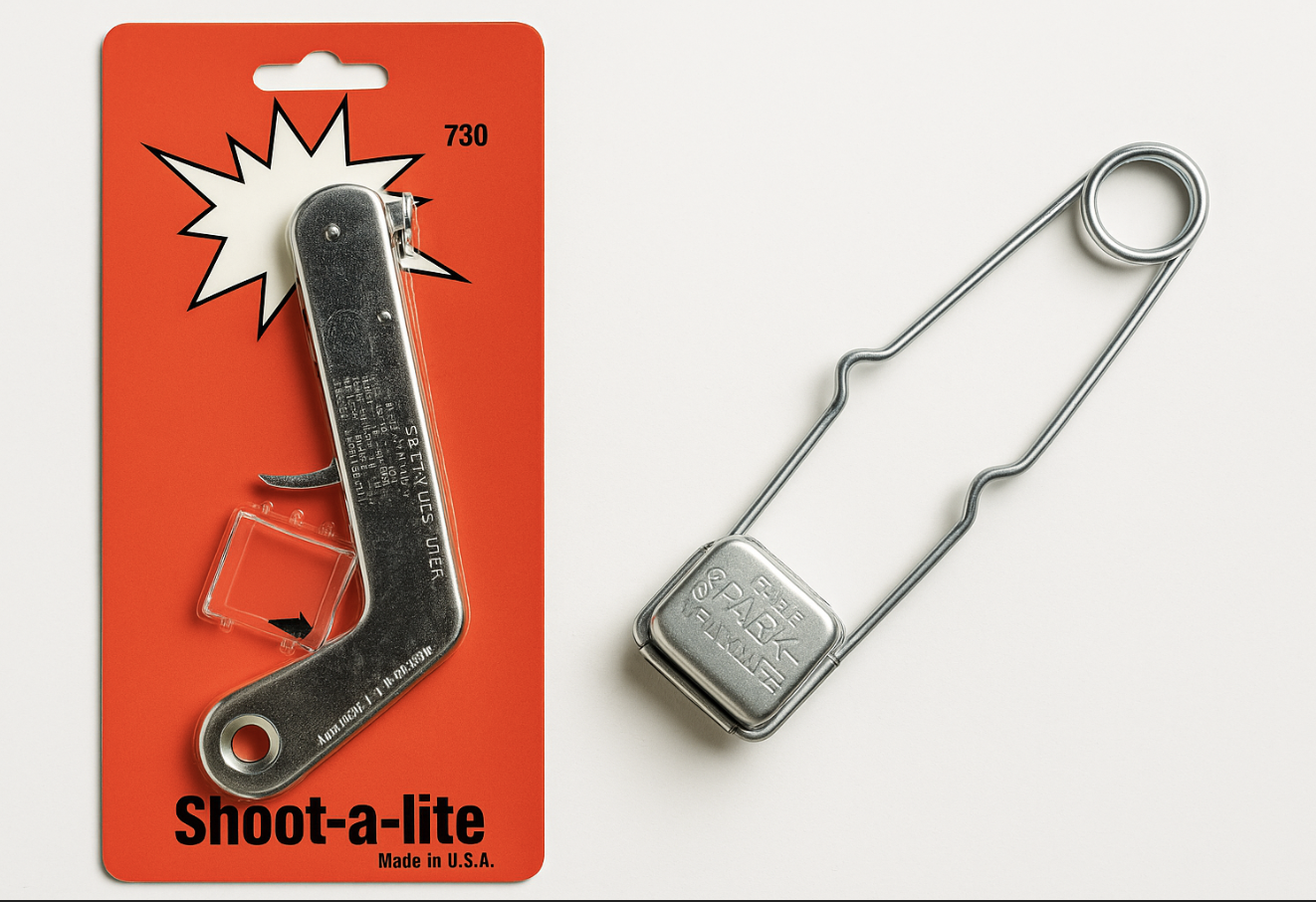
    Spark lighters are one of the simplest tools in the welding environment, but theyโ€™re also the ones that fail at the worst times. The GC Fuller 730 and the standard 3001-style lighter are two of the most common flint strikers used across fabrication, field service, and shop welding.
    This guide compares durability, spark output, ergonomics, and cost so you know which one fits your workflow.


    Key Takeaways

    • 730 spark lighters last longer, feel sturdier, and produce more consistent sparks under daily shop use.
    • 3001 spark lighters are cheaper and lighter but have weaker build quality and shorter flint life.
    • Both accept standard flints, but the 730 holds up better in dirty/heavy-use welding environments.
    • For high-frequency torch lighting (O/A, cutting torches), the 730 is the safer pick.

    Where to Buy

    GC Fuller 730 FU Spark Lighter (Arc Weld Store)
    GC Fuller 730 FU Lighter and 5 Flints

    “>
    GC Fuller 730 FU Lighter and 5 Flints

    GC Fuller 730 FU Lighter and 5 Flints

    $22.41

    In Stock

    View Product

    3001 Spark Lighter (Arc Weld Store)
    Weldmark by Shurlite Round File Single Flint Spark Lighter, Pack of (10)

    “>
    Weldmark by Shurlite Round File Single Flint Spark Lighter, Pack of (10)

    Weldmark by Shurlite Round File Single Flint Spark Lighter, Pack of (10)

    $44.27

    In Stock

    View Product

    Amazon Options (Disclosure: affiliate links):
    730 FU Lighter โ€”

    GC Fuller 730 FU Lighter and 5 Flints
    • It is constructed using a round cup design, and allows the user to replace the flint when necessary, with our renewal flint
    • Triple-flint lighter is a quality lighter made for the demands of the welding industry
    • It has a strong frame and with three large flints for dependable ignition under all working conditions
    • Allows user to replace flint when necessary
    • Strong frame and rugged design

    Last update on 2026-06-04 / Affiliate links / Images from Amazon Product Advertising API


    3001 Lighter โ€”

    Last update on 2026-06-04 / Affiliate links / Images from Amazon Product Advertising API


    How Each Lighter Works

    Both tools use a steel file wheel, spring tension, and replaceable flints to generate sparks for igniting oxy-fuel torches. The differences come from spring tension, wheel quality, frame strength, and spark consistency.


    GC Fuller 730 Spark Lighter

    Key Specs (Manufacturer):

    • Style: Triple-arm flint striker
    • Frame: Heavy-gauge steel
    • Flint Type: Standard cylindrical
    • Includes: Lighter + 5 flints
    • Durability: High
    • Spark Output: Strong, consistent
    • Best For: Shops, daily O/A work, field service

    Pros

    • Strong spring tension = reliable ignition
    • Thicker frame resists bending
    • โ€œTriple armโ€ design gives more spark exposure
    • Flints last longer due to better wheel contact
    • Easier to use with gloves

    Cons

    • Slightly heavier than economy lighters
    • Higher cost upfront than 3001-type lighters

    3001 Spark Lighter

    Key Specs (General/Industry Standard):

    • Style: Generic triple-arm striker
    • Frame: Thin stamped steel
    • Flint Type: Standard cylindrical
    • Durability: Medium/Low
    • Spark Output: Adequate but less consistent
    • Best For: Occasional use or low-budget setups

    Pros

    • Very affordable
    • Lightweight
    • Uses universal flints

    Cons

    • Springs weaken faster
    • Frame bends with moderate abuse
    • Spark wheel tends to wear quicker
    • More โ€œmissed sparksโ€ compared to the 730

    Head-to-Head Comparison

    FeatureGC Fuller 7303001 Spark Lighter
    Build QualityHeavy-duty steelThin stamped steel
    Spark ConsistencyHighMedium
    Flint LifeLongerShorter
    Wheel LifeLongerModerate
    Field DurabilityStrong (preferred)Weak
    Ease With GlovesGoodModerate
    PriceHigherLower

    Which One Should You Buy?

    Choose the GC Fuller 730 if:

    • You weld daily
    • You run oxy-fuel cutting
    • You want a striker that lasts months, not weeks
    • You hate lighters bending in your pocket
    • You want consistent one-strike ignition

    Choose the 3001 if:

    • You need a cheap backup
    • You only use torches occasionally
    • Durability isnโ€™t a priority

    For most welders โ€” especially in fabrication shops โ€” the 730 is the clear winner.


    Safety Notes

    • Always follow OSHA + manufacturer guidelines for O/A ignition.
    • Keep strikers dry; moisture kills spark output.
    • Replace flints before they fully wear to avoid grinding steel on steel.
    • Do not light torches with lighters or matches (safety hazard).
    • Use ANSI Z87.1 eye protection and flame-resistant gloves.

    FAQ

    Do both lighters use the same flints?
    Yes. Both accept standard cylindrical welding flints.

    Is the 730 worth the extra cost?
    If you work daily or want reliability, yes. It outlasts economy models several times over.

    How often should flints be replaced?
    When you notice weak sparks or more โ€œmisses,โ€ change the flint. The 730 typically lasts longer per flint.

    Can these be used outdoors?
    Yes, but rain/moisture reduces spark reliability. Keep the wheel dry.


    Sources Checked

    • GC Fuller 730 FU manufacturer info
    • Industry-standard 3001 lighter specifications
    • Field use data across oxy-fuel welding environments

Watch with Prime Video