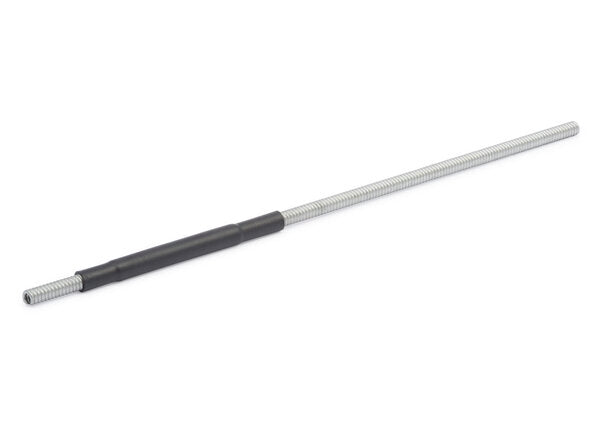
Miller 186419 Contact Tip 0.030" for Spool Gun Welding, Pack of 5 – Copper Tip for Aluminum & Steel
$21.94
In Stock
View Product
$21.94
In Stock
View Product
Spool gun contact tips have one job: carry welding current to the wire without adding feed resistance. If the tip bore, wire diameter, or thread style is wrong, the gun can feed poorly, arc inconsistently, or burn back into the tip.
Start with the wire diameter. A contact tip must match the wire size being run through the spool gun. If the bore is too tight, the wire drags. If it is too loose, current transfer can be inconsistent and the arc may become unstable.
Next, confirm the gun and tip thread style. Different spool guns can use different tip designs, neck styles, or thread patterns. If the exact thread style is not listed, treat it as Unknown (Verify) before ordering.
Also confirm the wire material. Aluminum wire is more sensitive to feed resistance than steel wire. A worn tip, damaged liner, or dirty wire path can show up faster with aluminum.
If the spool gun starts birdnesting, stuttering, or burning back, the contact tip is only one possible cause. Check the full wire-feed path:
For a deeper feed-system check, see MIG Spool Gun Birdnesting Causes: Aluminum Wire Feed, Spool Tension, Drive Pressure, Contact Tip, and Gun Setup.
Miller 186419 Contact Tip 0.030" for Spool Gun Welding, Pack of 5
Use this part only when the gun setup calls for a 0.030 in tip and the thread style/fit is confirmed. Any unverified fitment detail is Unknown (Verify).
Enhance your welding projects with the Miller 186419 Contact Tip, specially designed for spool gun welding. This copper contact tip supports both aluminum and steel applications, making it a versatile addition to your welding toolkit. Crafted from high-quality copper, this contact tip ensures excellent conductivity and durability. It features a bore size of 0.8 mm and is compatible with a wire size of 0.030 inches…
View at Arc Weld StoreCan I use a larger contact tip if the wire is close?
Not as a default. The tip should match the actual wire diameter. Oversizing can affect current transfer and arc control.
Why does a tip wear out faster on a spool gun?
Spool guns often run aluminum wire and short wire paths, so any contamination, heat, or feed drag can show up at the tip quickly.
How often should I replace spool gun contact tips?
Replace them when feed quality drops, the bore is worn, or the tip is damaged. Interval depends on duty, wire type, and contamination. Unknown (Verify).
Is a copper tip always correct for aluminum?
No. Copper is common, but the correct choice depends on the gun design and wire size. Verify the parts list before ordering.
Spool gun wire feed problems usually come from drag, tension, poor setup, or damaged consumables. Aluminum wire is soft, so small resistance changes can stop feed, cause birdnesting, or make the arc unstable.
If the spool is too tight, the motor has to work harder and feed can become jerky. If it is too loose, the spool can overrun and birdnest. Set tension so the spool turns smoothly and stops without freewheeling. Exact adjustment method depends on the gun model: Unknown (Verify).
A worn, restricted, or dirty contact tip can create drag and inconsistent wire delivery. Remove the tip and inspect for spatter, oval wear, or heat damage. Replace if the wire does not pass smoothly. Tip size and material must match the wire being used: Unknown (Verify).
A kinked, dirty, or damaged liner increases friction and can make the feed erratic. Blow out the gun only if the manufacturer allows it. If feed improves when the cable is straightened, liner drag is likely part of the problem. Liner replacement interval is Unknown (Verify).
Too much drive pressure can shave soft aluminum wire. Too little pressure can cause slip. Set pressure only as high as needed to move the wire steadily. Check for pinch points at the inlet, gun neck, and cable exits.
Keep the cable as straight as practical. Avoid tight loops, crushed sections, and contact with hot workpieces. Aluminum wire is sensitive to drag, so even minor routing changes can matter.
If wire piles up in the feeder or at the spool, stop and clear it before restarting. Birdnesting usually means the wire could not advance through the path. Common causes include excessive spool tension, weak drive pressure, worn tip, or liner restriction.
Soft, kinked, corroded, or contaminated wire feeds poorly. Check that the wire is stored dry and loaded without damage. Do not force rusty or flattened wire through the system.
For aluminum MIG work, the spool gun birdnesting guide covers the same feed failure modes in more detail.
Allowed product: The Magnum PRO 100SG spool gun is the lowest cost way to add reliable and precise wire feeding performance for soft aluminum wire. It’s easy to set up for occasional and experienced welders on Lincoln Electric compact wire feeder/welders.
Lincoln Electric Magnum PRO 100SG Spool Gun – for Aluminum MIG Welding – 4 Pin, 10 FT Cable – K3269-1
Product fit and compatibility details for the Magnum PRO 100SG are limited to the provided description. Use only with equipment and wire setups confirmed by the manufacturer. Compatibility with any specific welder or feeder is Unknown (Verify).
The most common causes are spool tension that is too loose, drive pressure that is too high, or too much drag in the tip or liner.
Only enough to maintain steady feed. Excess pressure can shave soft wire and create more problems.
Yes. A worn or blocked tip can add drag, slow the wire, and cause burnback or unstable feed.
Check spool tension, then contact tip condition, then cable routing and liner drag.