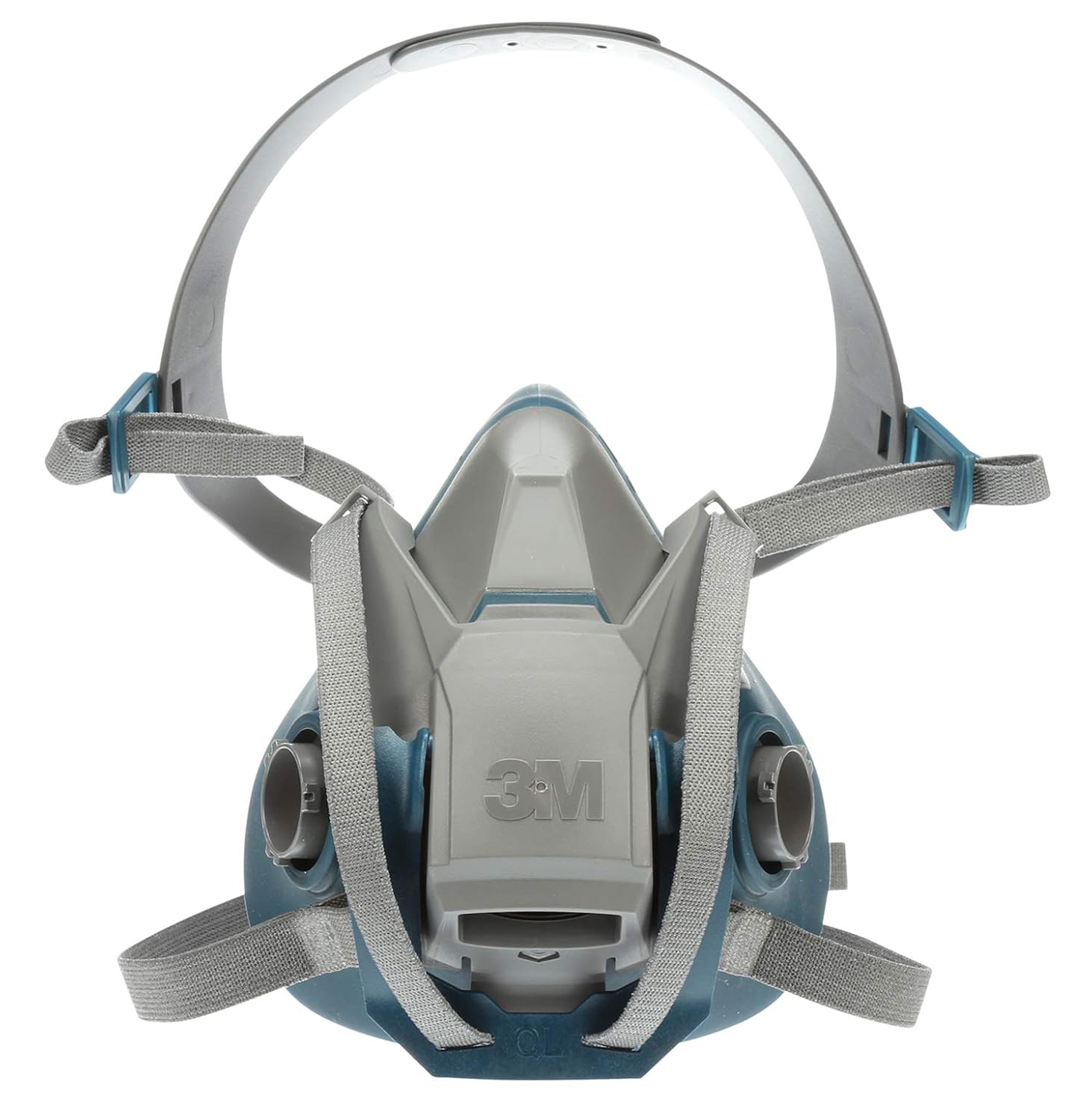
You’re wearing a P100 respirator. You’ve got fresh filters. But you can still smell the fumes.
That’s not normal—and it means your mask isn’t protecting you.
Here’s why it happens and how to fix it.
Symptoms You Have a Seal Problem
- Fume smell inside the mask during welding
- Visible fumes leaking around the mask edges
- Filters turn dark/brown faster than expected
- Lip tingling or throat irritation despite wearing the mask
- Fogging inside the mask (moisture escaping, not just condensation)
Root Cause: Poor Mask Seal
A P100 filter only works if air passes through the filter, not around it.
If you smell fumes, one of these is happening:
1. Facial Hair Breaks the Seal Beards, stubble, and sideburns create gaps between your face and the silicone facepiece. Even 1/8 inch of beard hair defeats the seal. Air (and fumes) bypass the filter entirely.
2. Wrong Size Mask Half-face respirators come in small, medium, and large. A loose mask won’t seal; a too-tight mask causes discomfort and users remove it. Either way, you get leakage.
3. Damaged Facepiece Cracked silicone, worn straps, or a loose exhalation valve let unfiltered air in. Silicone degrades over time, especially if stored in sunlight or heat.
4. Filters Not Seated Properly Cartridges must click or screw in fully. Partial insertion leaves gaps. Dirty filter threads prevent a tight seal.
5. Exhalation Valve Failure The one-way valve lets breath out but keeps fumes out. If it’s stuck open or damaged, fumes flow straight in.
Per NIOSH and ANSI Z87.1, a proper seal is non-negotiable for respiratory protection.
The Fix: 5 Steps to Stop Fume Leakage
1. Shave Your Face Trim or shave facial hair where the mask contacts your skin. This is the #1 reason for seal failure. Check the mask fit line—anything touching that area must go.
2. Verify Your Size Try on multiple sizes. The mask should feel snug but not painful. You should feel gentle suction when you inhale. If it shifts or gaps appear, try the next size up or down.
3. Check Filter Seating Remove and reinstall cartridges. They should click (bayonet) or screw (threaded) until snug. Don’t force—just firm pressure. Wipe threads clean if they’re dusty.
4. Inspect the Facepiece Look for cracks, tears, or discoloration in the silicone. Check the exhalation valve for cracks or debris. If damaged, replace the facepiece (most respirators have replaceable parts).
5. Replace Old Filters P100 filters last 40 hours of use or until they become hard to breathe through. If your filters are dark brown or you’ve been using them for weeks, replace them. Clogged filters don’t seal well and reduce airflow.
Real-World Tip
Experienced welders do a fit test before every shift: put on the mask, cover the filter cartridges with your hands, and inhale hard. If you feel air being sucked in around the edges, the seal is broken. If it holds vacuum, you’re good.
This takes 5 seconds and catches seal problems before you start welding.
What to Do Next
If this keeps happening, your facepiece is likely worn or your filters are clogged. See the best replacement respirators and filters → https://www.arcweld.store/collections/air-cleaning-equipment-and-respirators
Safety Note
Welding fumes contain manganese, chromium, nickel, and other toxic metals. ANSI Z87.1 requires proper respiratory protection in confined spaces or high-fume environments. A proper seal is critical—a leaking mask gives false confidence and exposes you to harmful particulates.