Tag: welding gear

  • Best TIG Gas Lens Kit for Sooty Welds (Clean Shielding)

    Black soot and dirty tungsten usually point back to shielding gas coverageโ€”either turbulence, leaks, or a setup that canโ€™t maintain a stable argon envelope. A gas lens kit is one of the simplest upgrades to stabilize coverage, especially with longer stickout or tight joints.
    Not sure if this is your issue? See the full troubleshooting guide โ†’ TIG Welds Turning Black and Sooty? Fix Gas Coverage Fast

    STARTECHWELD 45V26 TIG Gas Lens 3/32โ€ Gas Lens collet body Fit TIG WP17, WP18, WP26 (5 Pack) 45V26
    • TIG Gas Lens 45V26 Tig Torch Gas Lens 3/32โ€
    • Work With: TIG 17, 18, 26 Series Torches
    • 3/32″ Tungsten Electrodes Standard 10N Series Collet
    • 54N Series Gas Lens Ceramic Cups Setup
    • Pack of 5

    Last update on 2026-04-27 / Affiliate links / Images from Amazon Product Advertising API

    Key Takeaways

    • A gas lens helps create more stable, laminar shielding gas flow
    • Better coverage can reduce soot, oxidation, and tungsten contamination
    • Match the kit to your torch family (commonly 17/18/26 style)
    • Replace damaged screens/cupsโ€”dirty hardware can cause โ€œmysteryโ€ contamination
    • If specs arenโ€™t clearly listed, treat it as Unknown (Verify) before buying

    Product Picks (verify fitment before ordering)

    1) 45V26 TIG Gas Lens (3/32 in) โ€” TOP PICK (Most common fix)

    Short description: A standard 45V26-reference gas lens collet body for common 17/18/26-style TIG torches.
    Key specs (manufacturer verified): Ref number 45V26; intended for 3/32 in (2.4 mm) tungsten; torch family 17/18/26 (Verify exact torch compatibility).
    Best for: Most welders seeing soot/dirty tungsten after switching cups, changing stickout, or fighting inconsistent coverage.
    ArcWeld link: N/A
    Amazon:

    STARTECHWELD 45V26 TIG Gas Lens 3/32โ€ Gas Lens collet body Fit TIG WP17, WP18, WP26 (5 Pack) 45V26
    • TIG Gas Lens 45V26 Tig Torch Gas Lens 3/32โ€
    • Work With: TIG 17, 18, 26 Series Torches
    • 3/32″ Tungsten Electrodes Standard 10N Series Collet
    • 54N Series Gas Lens Ceramic Cups Setup
    • Pack of 5

    Last update on 2026-04-27 / Affiliate links / Images from Amazon Product Advertising API

    2) 17/18/26 Gas Lens Kit (cups + lens + collets)

    Short description: A bundled kit can be the fastest way to replace multiple wear items at once (cups, collets, lens).
    Key specs: Unknown (Verify)
    Best for: If your cup is chipped, your lens screen is dirty, and you want a clean reset.
    ArcWeld link: N/A
    Amazon:
    Unknown (Verify)

    Still deciding? Compare these options below.

    STARTECHWELD 45V26 TIG Gas Lens 3/32โ€ Gas Lens collet body Fit TIG WP17, WP18, WP26 (5 Pack) 45V26
    • TIG Gas Lens 45V26 Tig Torch Gas Lens 3/32โ€
    • Work With: TIG 17, 18, 26 Series Torches
    • 3/32″ Tungsten Electrodes Standard 10N Series Collet
    • 54N Series Gas Lens Ceramic Cups Setup
    • Pack of 5

    Last update on 2026-04-27 / Affiliate links / Images from Amazon Product Advertising API

    3) Jumbo Cup Gas Lens Kit (for longer stickout)

    Short description: Larger cups can improve coverage in joints where you need extra tungsten stickout.
    Key specs: Unknown (Verify)
    Best for: Corners, fillets, and tight access where coverage breaks down.
    ArcWeld link: N/A
    Amazon:
    Unknown (Verify)

    Buying Guide: How to Choose

    • Torch family fit (17/18/26 vs other): Donโ€™t assumeโ€”verify your torch style before ordering.
    • Tungsten diameter: Match the lens/collet body to your tungsten size (common: 1/16 in, 3/32 in, 1/8 in).
    • Cup size and access: Bigger cups can help coverage but may not fit tight joints.
    • Quality and consistency: If listings donโ€™t clearly state reference numbers (like 45V26) and fitment, treat as Unknown (Verify).

    FAQ

    What does a gas lens actually change?
    It helps straighten and stabilize gas flow, so coverage is less turbulent and more consistent.

    Can too much gas cause soot?
    Yes. Excess flow can create turbulence that pulls air into the shield.

    Do I still need to regrind tungsten after soot shows up?
    Yes. Once contaminated, itโ€™s faster and more reliable to regrind than to โ€œburn it clean.โ€

    Will a gas lens fix leaks or bad gas?
    No. Fix leaks, confirm 100% argon, and check connections first.

    Safety Notes

    Use appropriate PPE and ensure eye protection meets ANSI Z87.1. Maintain ventilationโ€”shielding issues can tempt people to hover and โ€œtestโ€ the arc repeatedly, increasing UV exposure.

  • STARTECWELD TIG 17F Series: 150 Amp Air-Cooled TIG Torch with Flexible Head & 25 ft Cable

    Introduction

    The STARTECWELD TIG 17F is a mid-range air-cooled TIG torch kit designed for welders who need reliable performance without premium pricing. It features a flexible head for maneuverability, a 25 ft power cable, and includes the 105Z57 connector for broad compatibility. This post breaks down what you get, how it compares to alternatives, and whether it fits your welding setup.

    Key Takeaways

    • 150 amp rating supports most hobby and semi-professional TIG welding tasks
    • Flexible head design improves access in tight or awkward positions
    • 25 ft cable length reduces the need for extension hoses
    • Includes 105Z57 connector; verify your machine’s input before ordering
    • Price-to-performance ratio competitive in the $200โ€“$250 range

    What’s Included

    The STARTECWELD TIG 17F kit ships with:

    • TIG torch body (WP17F-25R-ST model)
    • 25 ft power cable with rubber insulation
    • 105Z57 connector/adapter for machine compatibility
    • Flexible head design (60ยฐ articulation for tight spaces)
    • Handle with ergonomic grip

    Torch Specifications

    SpecificationValue
    Amperage Rating150 A
    Cooling MethodAir-cooled
    Cable Length25 ft
    Head TypeFlexible
    Connector105Z57 (Dinse)
    Wire Size Compatibility10โ€“25 mmยฒ
    Duty CycleDepends on machine; verify with your welder

    Performance & Use

    The 150 amp rating handles aluminum, stainless steel, and mild steel in the 1/16″ to 3/16″ thickness range. The flexible head is a practical feature for welding inside corners, around tubing, or in confined spaces where a rigid torch would be awkward.

    Air cooling is sufficient for intermittent to moderate duty cycles. If you’re running continuous high-amperage passes, monitor the torch for heat buildup; water-cooled alternatives exist for heavy production work.

    Cable & Connector Notes

    The 25 ft cable reduces hose clutter and eliminates the need for extension hoses in most shop setups. The 105Z57 connector is standard on many Hobart, Miller, and aftermarket machines, but verify your machine’s input before purchasing. Some machines use different connectors (e.g., Tweco, Stud, or proprietary fittings).

    What to compare before you buy

    • Machine compatibility: Confirm your welder accepts 105Z57 connectors; if not, you’ll need an adapter or different torch.
    • Cable length: 25 ft is standard; if your machine is farther from the work area, consider extension hoses or a longer cable option.
    • Amperage headroom: 150 A is mid-range; verify your machine can deliver this amperage and that your power supply is adequate.
    • Cooling method: Air-cooled torches are lighter and cheaper but generate more heat than water-cooled alternatives; choose based on your duty cycle.
    • Flex vs. rigid head: Flexible heads are convenient for tight spaces but slightly less rigid; rigid heads offer better control for precision work.

    Comparable Amazon picks (optional)

    STARTECWELD TIG 17F Series – 150 Amp Air Cooled TIG Torch Flexable Head with 25FT Cable and105Z57 Connector/Adaptor WP17F-25R-ST
    • Tig Welding Torch WP17F 150Amp 25FT Cables Air Cooled, with 105Z57 Connector
    • TIG 17F Series – 150 Amp – Air Cooled – TIG Torch Flexible Head
    • 1-Piece 25 FT Cable with 105Z57 Cable Connector/Power Block
    • Accessory Kit: Collet, Collet Body, Alumina Nozzle, Back Cap
    • Heavy-Duty Nylon Cable Cover

    Last update on 2026-04-27 / Affiliate links / Images from Amazon Product Advertising API

    Safety Considerations

    Always inspect the torch cable for cracks, burns, or exposed wire before use. Damaged cables can cause electrical hazards and poor arc quality. Keep the torch dry and store it away from moisture and extreme temperatures.

    Ensure your machine is properly grounded and that all connectors are tight. Loose connections can cause arcing, overheating, and equipment damage.

    Verdict

    The STARTECWELD TIG 17F offers solid value for welders stepping up from 110V equipment or looking for a secondary torch. The flexible head and 25 ft cable are practical features, and the price is competitive. The main caveat: verify connector compatibility before ordering. If your machine uses a different connector type, you’ll need an adapter or a different torch.

  • TIG Torch Slipping Tungsten? Your Collet Body Is Worn (Here’s the Fix)

    Intro

    You’re TIG welding and the tungsten keeps slipping out of the collet. You tighten the back cap, it holds for a few seconds, then slides again. The arc starts inconsistent, the puddle wanders, and your bead looks rough. The problem isn’t the tungstenโ€”it’s a worn collet body that can’t grip anymore.

    Key Takeaways

    • Tungsten slipping is almost always caused by a worn or damaged collet body, not the tungsten itself
    • A collet body wears from repeated insertion and removal of tungsten
    • Replacement collet bodies are cheap ($5โ€“$15) and take 30 seconds to swap
    • Gas coverage improves dramatically with a fresh collet body
    • Keep spares on hand for every torch size you use

    The Problem

    A worn collet body shows up as:

    • Tungsten slides out even when the back cap is tight
    • Inconsistent arc initiation
    • Poor gas coverage (visible oxidation on the weld)
    • Difficulty maintaining arc length
    • Collet body threads are stripped or loose

    The collet is a small tapered sleeve that grips the tungsten. Every time you insert or remove tungsten, the collet compresses and expands. Over hundreds of cycles, the taper wears out. The grip weakens. Eventually, no amount of back cap tightening will hold the tungsten in place.

    Why It Matters

    A slipping tungsten means an unstable arc. Your puddle control suffers. Weld quality drops. On precision work (aerospace, stainless, thin-wall), a wandering arc is a reject. On production runs, it’s rework and lost time. Plus, a loose tungsten can break mid-weld and contaminate your shielding gas.

    The Fix

    1. Disconnect the torch and let it cool. Safety first.
    1. Unscrew the back cap and remove the old collet body.
    1. Inspect the threads. If they’re stripped, you may need a new torch head (rare).
    1. Install the new collet body. Slide it in and hand-tighten the back cap.
    1. Insert tungsten and tighten firmly. The tungsten should not move when you pull on it.
    1. Test the arc. You should see immediate improvement in arc stability and gas coverage.

    Why This Product Solves It

    The TIG Gas Lens Collet Body #17, 18, 26 Torch 2PK (45V27-1/8″) is a direct replacement for standard TIG torches and includes a gas lens design that improves shielding gas flow. The tapered bore is precision-machined to grip tungsten consistently, and the gas lens allows larger tungsten stick-out for better visibility and control. Two-pack means you have a spare.

    Product Link:  Product not found.

    “>
    Product not found.
     

    What to Check Before You Buy

    • Torch series: This fits #17, #18, and #26 torches (most common sizes)
    • Tungsten size: This collet is sized for 1/8″ (3.2mm) tungsten
    • Gas lens compatibility: Confirm your torch head accepts a gas lens (most do)
    • Thread type: Standard collet body threads (verify if you have an older torch)

    Real-World Use

    A TIG fabricator working on stainless tubing noticed poor gas coverage and arc wander. Swapped the collet body. Tungsten stayed put, arc was stable, and the bead came out clean. One collet body lasted 18 months before needing replacement.

    Common Mistakes

    • Tightening the back cap excessively (damages the new collet body)
    • Using the wrong collet size for your tungsten diameter (loose fit)
    • Not replacing the collet body when it’s visibly worn (keeps struggling with slipping)
    • Forgetting to clean the collet body threads before installation (cross-threading)
    • Buying a single collet body instead of keeping spares (downtime when it fails)

    Safety Notes

    Always let the torch cool before handling. Collet bodies get hot during welding. Wear gloves when removing hot components. If tungsten slips during welding, stop immediatelyโ€”a loose electrode can break and contaminate your argon supply.

    Always follow the manufacturer’s instructions and your shop’s safety procedures. If you’re unsure about fitment or ratings, verify before you buy or install.

    Related Reading

  • Why Your MIG Wire Stops Feeding (And How to Fix It in 5 Minutes)

    Intro

    Your MIG welder fires up fine, but halfway through the bead, the wire quits feeding. You hear the motor grinding. Nothing comes out. It’s frustrating, costly downtime, and it happens more often than it should. The fix is usually simpleโ€”but only if you know where to look.

    Key Takeaways

    • Wire feed failure is usually caused by liner wear, drive roll tension, or spool brake issues
    • A worn or dirty liner creates friction that stops the wire cold
    • Replacing the liner is the fastest fix and costs under $20
    • Check drive roll pressure and spool tension before assuming the worst
    • Keep a spare liner on hand to avoid shop downtime

    The Problem

    MIG wire feed failure shows up as:

    • Wire stops mid-weld with motor still running
    • Grinding or clicking sound from the feeder
    • Inconsistent feed speed (stuttering)
    • Wire bunching or bird nesting at the contact tip

    The culprit is almost always friction inside the liner. As you weld, the wire slides through a plastic or steel tube (the liner) thousands of times. Over time, the liner gets scored, kinked, or contaminated with spatter and oxidation. When friction builds up, the drive rolls can’t push the wire forwardโ€”it just slips and grinds.

    Why It Matters

    A dead wire feed kills productivity. You stop mid-bead, troubleshoot, waste time, and restart. On a production job, that’s money. On a tight deadline, it’s a missed commitment. Plus, repeated grinding wears out your drive rolls faster, turning a $15 liner replacement into a $60+ drive roll replacement.

    The Fix

    1. Disconnect the gun and remove the spool. Unplug the welder or kill the power.
    1. Inspect the liner. Pull the wire out and look inside the liner with a flashlight. If it’s scored, kinked, or clogged with spatter, it’s done.
    1. Measure the old liner. Note the length and diameter (usually .035″ or .045″ for MIG).
    1. Install the new liner. Feed it through the feeder, conduit, and gun. Make sure it seats flush at both endsโ€”no gaps.
    1. Reload the wire and test. Run a test bead at low amp to confirm smooth feed.

    Why This Product Solves It

    The LM3A-15 Miller Acculock MDX Liner (15′ Liner, 035/.045) is a direct replacement for Miller Acculock systems and compatible MDX guns. It’s the exact spec you need for smooth, consistent wire feed without grinding or slipping. Miller liners are precision-engineered to tight tolerances, so you get the same feed quality as factory equipment.

    Product Link:  Product not found.

    “>
    Product not found.
     

    What to Check Before You Buy

    • Liner length: Measure your old liner or check your gun manual (15′, 25′, or custom length)
    • Wire size compatibility: This liner handles .035″ and .045″ wire
    • Gun model: Confirm it’s Miller Acculock or compatible (check your gun label)
    • Conduit fit: The liner should slide smoothly into your gun conduit without binding

    Real-World Use

    A fabricator running a Miller MDX-250 noticed wire feed stuttering on 0.035″ mild steel. Swapped the liner in under 5 minutes. Feed was smooth again. No more grinding, no more restarts. One liner lasted 6 months of regular use before needing replacement.

    Common Mistakes

    • Replacing the contact tip when the real problem is the liner
    • Forcing a liner that doesn’t match your gun model (causes kinking)
    • Not checking for spatter buildup inside the conduit before installing a new liner
    • Ignoring drive roll tensionโ€”a worn liner + loose rolls = guaranteed failure
    • Buying a generic liner instead of the OEM spec (fit and feed quality suffer)

    Safety Notes

    Always disconnect power before removing the spool or working on the feeder. If you’re unsure about liner length or compatibility, verify your gun model and check the manual. Improper liner installation can cause erratic arc and poor weld quality.

    Always follow the manufacturer’s instructions and your shop’s safety procedures. If you’re unsure about fitment or ratings, verify before you buy or install.

    Related Reading

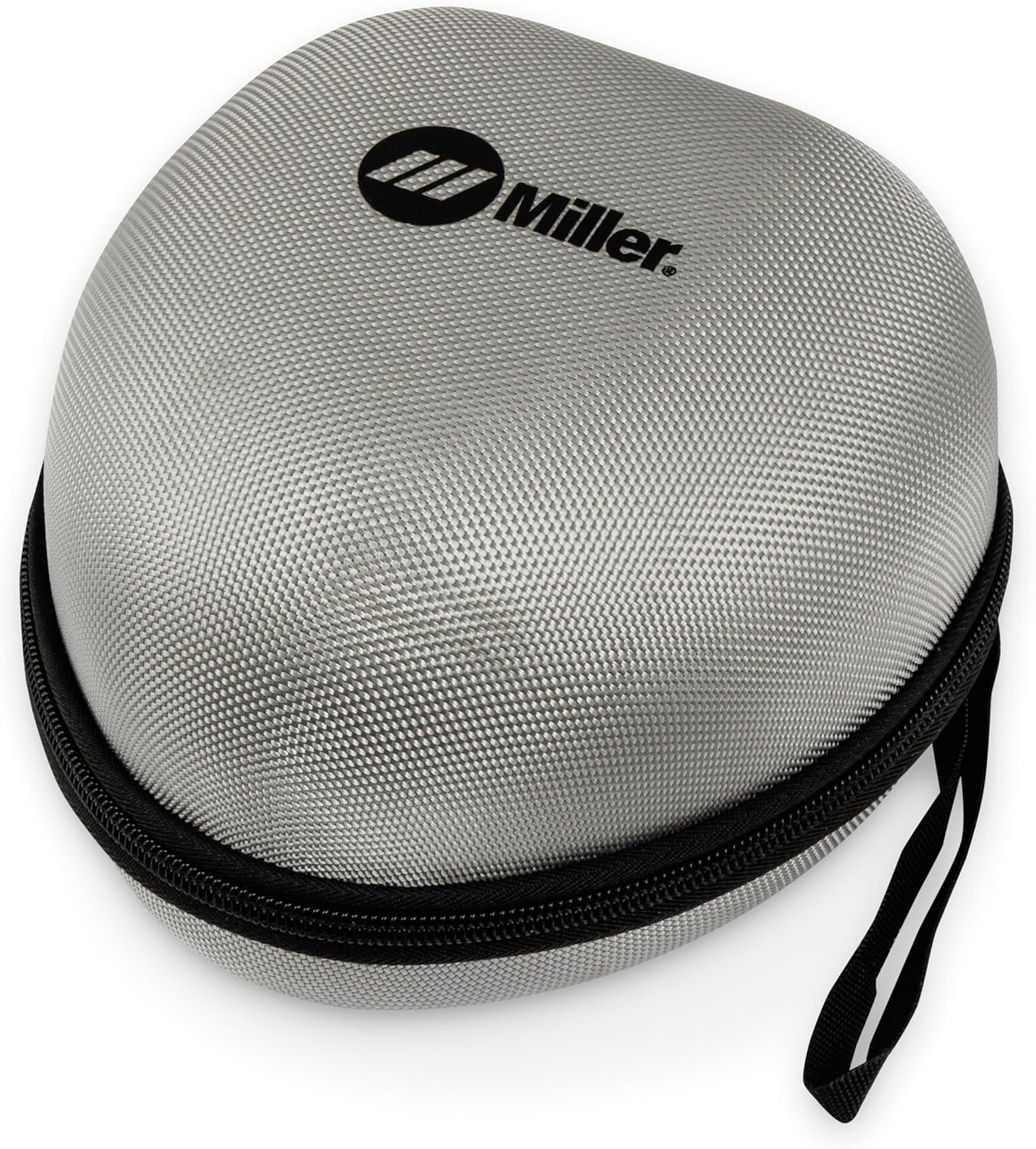
  • Miller LPR-100โ„ข, Case, Gen II

    Miller LPR-100โ„ข, Case, Gen II

    Intro
    If your respirator gets tossed in a toolbox or left on a bench, itโ€™s more likely to get dirty, damaged, or โ€œforgotten.โ€ A dedicated case keeps your LPR-100 setup protected and ready to use.

    Key Takeaways

    • Protects the respirator from dust, grinding grit, and shop damage between uses
    • Helps keep sealing surfaces and filters cleaner than open-air storage
    • Makes it easier to transport PPE to job sites without crushing the mask
    • Good fit for welders who actually wear a respirator daily
    • Whatโ€™s included inside the case: Unknown (Verify)

    Performance & Use

    A respirator case is simple, but it solves a real problem: PPE that isnโ€™t protected tends to get contaminated or beat up, and then it stops getting used. This case is intended for the Miller LPR-100 Gen II system (verify exact compatibility on the listing if youโ€™re using a different mask).

    Use it as โ€œclean storageโ€ after your shift: wipe down the mask body, let moisture dissipate, then store it so the face seal and straps arenโ€™t getting crushed. If youโ€™re moving between weld bays or traveling to a site, a case also reduces the chance of filters getting loaded with shop dust before you even put it on.

    Durability & Build

    A good respirator case should resist cracking, close securely, and protect the mask from being compressed. Exact material, latch style, and impact resistance for this specific case: Unknown (Verify).

    Power / Specs

    • Product type: Respirator case (storage/transport)
    • Intended system: Miller LPR-100 Gen II (Verify)
    • Dimensions: Unknown (Verify)
    • Material: Unknown (Verify)
    • Included components (mask/filters vs case-only): Unknown (Verify)

    Who Itโ€™s For

    For welders and fabricators who want their respirator to stay clean, protected, and easy to grabโ€”especially if you move between work areas or travel. Skip it if you never transport your respirator and already have a clean, dedicated storage spot.

    Quick FAQ

    Q: Is this the respirator or just the case?
    A: This listing is for the case. Whether it includes a mask/filters depends on the exact listing contentsโ€”verify before buying.

    Q: Will it fit the original LPR-100 (Gen I)?
    A: Unknown (Verify). Confirm compatibility on the listing.

    Q: Does a case replace filter change practices?
    A: No. It helps keep the respirator cleaner, but filters still need replacement based on exposure and manufacturer guidance.

    Q: Can I store the respirator right after welding?
    A: Let it cool/dry first. Storing a damp mask can accelerate odor and contamination.

    Q: Is this airtight?
    A: Unknown (Verify). Most cases protect from damage/dust but are not truly airtight.

    Safety Notes

    • A case helps keep PPE cleaner, but it does not guarantee contamination-free storage
    • Keep respirators away from grinding dust, paint/solvent vapors, and welding spatter
    • Inspect face seal, valves, and straps before each use; replace damaged parts Always follow the machine manual, SDS, and applicable code requirements. If unsure, verify with the manufacturer.

    Where to Buy

    Amazon pick (1 item): Miller LPR-100โ„ข, Case, Gen II โ€” ASIN: B0DSCPV759
    Amazon link (affiliate): https://www.amazon.com/dp/B0DSCPV759?tag=weldsupport-20
    AAWP shortcode:

    Miller LPR-100โ„ข, Case, Gen II
    • Safely Store and protect your Gen 11 LPR Series mask when not in use.

    Last update on 2026-04-27 / Affiliate links / Images from Amazon Product Advertising API


    Verification checklist

    • Confirm listing is case-only vs kit (mask + filters)
    • Confirm compatibility: LPR-100 Gen II vs Gen I
    • Confirm dimensions and material
    • Confirm closure/latch type and whether it seals
    • Confirm warranty/returns language (only if mentioned)

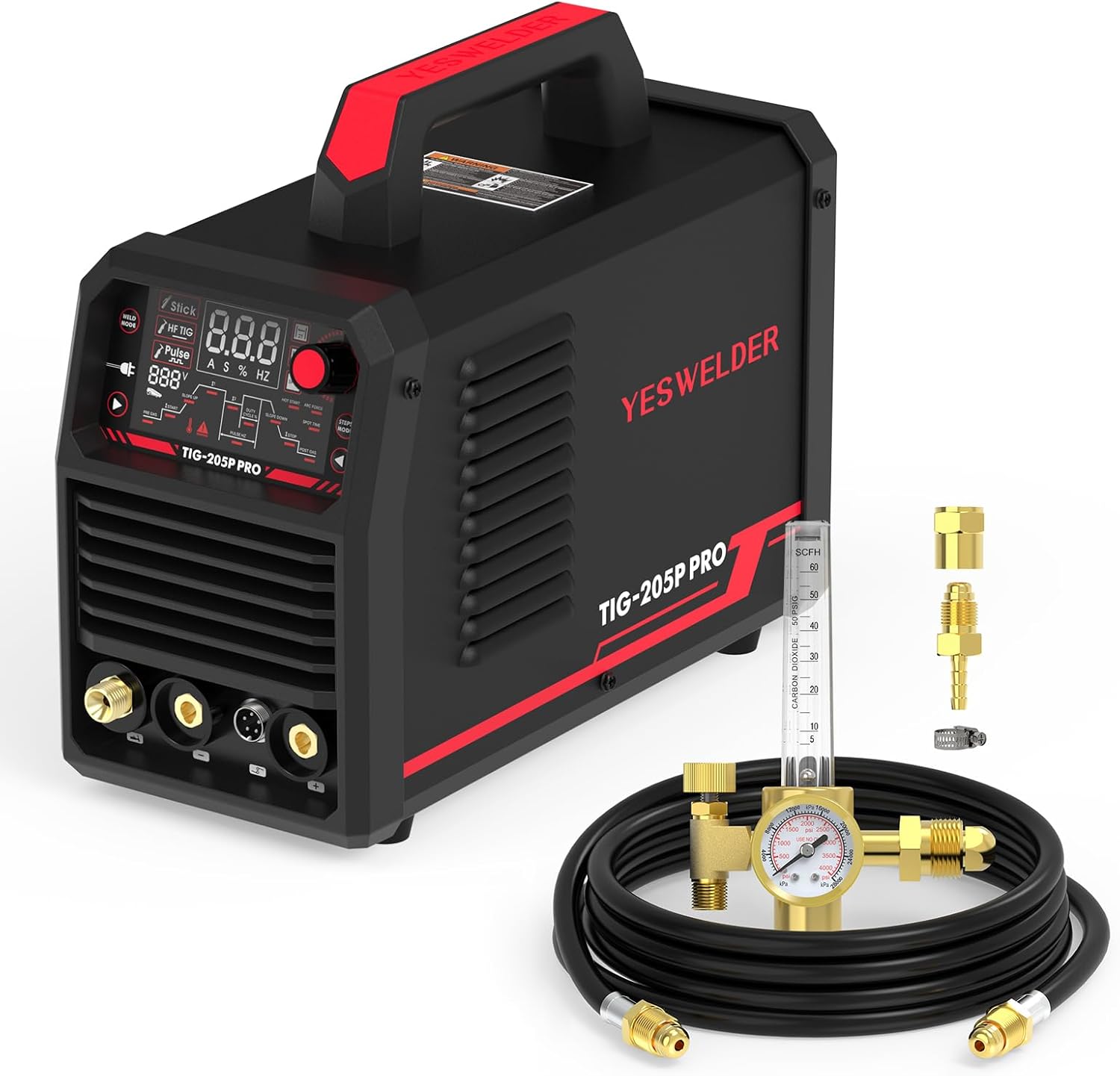
  • YESWELDER 205A TIG Welder with Pulse (TIG-205P)

    YESWELDER 205A TIG Welder with Pulse (TIG-205P)

    Intro
    Looking for a reliable TIG welder for stainless or mild steel? The YESWELDER 205A delivers pro-level features and clean arc control at a hobbyist priceโ€”without the guesswork.

    Key Takeaways

    • Dual-voltage (110V/220V) for shop or field use
    • DC TIG, Pulse TIG, and Stick welding modes
    • Digital LED display for precise settings
    • Portable, inverter-based design (lightweight)
    • Backed by strong user reviews for value

    Performance & Use

    The TIG-205P supports DC TIG and Stick welding, with pulse control for thin metals and detailed work. Suitable for stainless, mild steel, and chrome-moly. Not rated for aluminum (no AC mode)โ€”verify before purchase for non-ferrous work.

    Durability & Build

    Compact build with solid case and robust handle. Internal fan cooling and IGBT inverter tech offer reliable operation for most shop environments. Long-term durability in heavy industrial use: Unknown (Verify).

    Power / Specs

    • Output: 205A DC (TIG/Stick)
    • Input: 110V/220V dual voltage
    • Duty Cycle: Unknown (Verify)
    • Display: Large LED digital
    • Weight: ~20 lbs (Verify)
    • Weld Process: DC TIG, Pulse TIG, Stick

    Who Itโ€™s For

    Best for DIYers, small fab shops, and field techs needing portable TIG capability. Not for heavy aluminum or high-amperage AC workโ€”pro shops requiring AC TIG should skip.

    Quick FAQ

    Q: Can it weld aluminum?
    A: Noโ€”DC only, not suitable for aluminum TIG.

    Q: Does it include a TIG torch?
    A: Yes, torch included (verify model).

    Q: Foot pedal compatible?
    A: Unknown (Verify).

    Q: Pulse control included?
    A: Yes, digital pulse settings.

    Q: Warranty?
    A: Unknown (Verify).

    Q: Can it run on a standard household outlet?
    A: Yesโ€”110V compatible for light work.

    Safety Notes

    • Use proper PPE (gloves, jacket, shade 10+ lens)
    • Ensure grounded outlet and check circuit rating
    • Ventilate work area for fume control
    • Fire watch for combustibles Always follow the machine manual, SDS, and applicable code requirements. If unsure, verify with the manufacturer.

    Where to Buy

    Amazon pick: YESWELDER 205A Tig Welder with Pulse Large LED Display, STICK/DC TIG/PULSE TIG 3 In 1, 110&220V Dual Voltage TIG Welding Machine TIG-205P โ€” ASIN: B0GGB7SSPR
    Amazon link: https://www.amazon.com/dp/B0GGB7SSPR?tag=weldsupport-20

    YESWELDER 205A Tig Welder with Pulse Large LED Display, STICK/DC TIG/PULSE TIG 3 In 1, 110&220V Dual Voltage & Argon/CO2 Mig Tig Flow Meter Gas Regulator Gauge Welding Weld with 8ft Gas Hose
    • Large LED Display: Features a large LED screen for enhanced visibility and a clear display of welding parameters and settings. Its intuitive interface ensures effortless operation, enabling precise welding of diverse metals
    • More Powerful: The TIG welder delivers up to 200 amps, meeting the needs of both hobbyists and professionalsโ€”sufficient for versatile DIY projects and extended professional use. It features auto-sensing dual voltage input (110V/220V) for plug-and-play operation in home outlets and workshops, with no manual switching. Equipped with High-Frequency non-touch arc starting (HF Start), it ensures reliable ignition and stable arc performance for consistent, high-quality welds
    • 3-IN-1 TIG WELDER: Combines STICK (MMA), DC TIG, and PULSE TIG. Stick mode features HOT START, ARC FORCE, and ANTI-STICK for stable, versatile welding. DC TIG features HF arc ignition and 2T/4T/spot operation with adjustable settings, ideal for stainless and mild steel. Pulse TIG offers independent control over pulse frequency, duty cycle, and current, perfect for thin materials and non-ferrous metals. One welding machine meets all needs, from fabrication and auto repair to creative projects and
    • Wide Application: Has CGA – 580 Tank fitting so it will screw right into the Argon, Argon/CO2 Tanks. Ideal choice for MIG TIG welding, chemical and electronics industry
    • Accurate Gas Flow Gauge: The Square flow tube reads from 0 – 60 CFH, which is indicated by a ball which moves up and down in the flow tube. And has large 1 1/2″ diameter pressure gauge which reads from 0 – 4000 PSI. Easy to read, accurate

    Last update on 2026-04-27 / Affiliate links / Images from Amazon Product Advertising API


    Verification checklist:

    • Specs: Output, voltage, included torch, display (verified)
    • Fitment: Not for aluminum TIG (DC only)
    • Accessories: TIG torch included (verify model)
    • Warranty: Unknown (Verify)
    • Standards: Not AWS/ANSI rated (verify for code work)


  • Stream with Amazon Music