Why TIG Arc Wanders or Starts Hard
If the tig arc wandering or a TIG arc starts hard, the cause is usually in one of four areas: work clamp contact, tungsten preparation, shielding gas coverage, or torch consumables. Start with the basics and verify each part of the current path and gas path before changing machine settings.
Key Takeaways
- Poor ground path can make arc starts unstable.
- Contaminated or poorly ground tungsten can cause arc wandering.
- Low gas flow, leaks, or draft can disturb shielding and arc stability.
- Damaged cups, collet bodies, or gas lenses can reduce shielding and control.
- Do not assume the torch is the problem until the work clamp and tungsten are verified.
Troubleshooting Steps
1) Check the work clamp and ground path
Make sure the work clamp is attached to clean metal with solid contact. Paint, rust, mill scale, oil, or loose clamp contact can interrupt current flow and make the arc hard to start or unstable once started.
- Move the clamp closer to the weld area if the current path is long.
- Inspect the clamp jaw, cable, and connector for heat damage or looseness.
- Verify the workpiece is clean where the clamp lands.
2) Inspect tungsten preparation
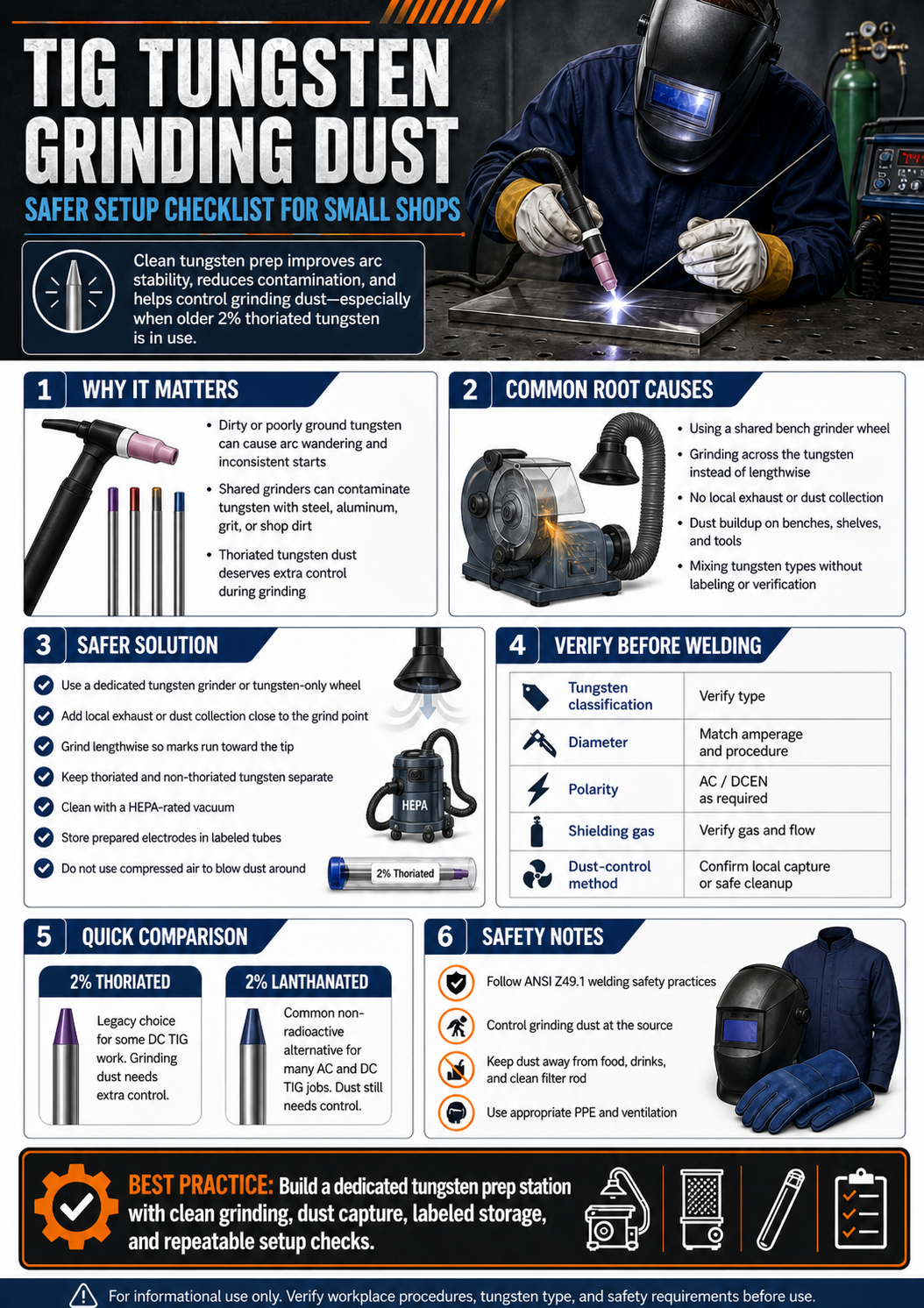
TIG arc wandering often starts with the tungsten. A dirty, blunt, uneven, or contaminated tungsten will not focus the arc well. Grind the tungsten lengthwise and keep the tip consistent with the process requirements for your material and amperage.
- Use a clean dedicated grinding wheel or method for tungsten only.
- Remove contamination if the tungsten touched filler, the puddle, or the cup.
- If the tip is balled, split, or uneven, replace or regrind it.
3) Verify shielding gas coverage
Gas issues can cause wandering starts, contamination, and erratic arc behavior. Check the cylinder flow, regulator, hose condition, torch seals, and cup coverage. Drafts in the work area can also break shielding gas coverage.
- Verify gas is actually flowing at the torch.
- Inspect hose connections and torch O-rings or seals, if equipped. Unknown (Verify).
- Reduce air movement from fans, doors, or shop draft near the weld.
- Confirm the gas type and flow rate are set for the job. Unknown (Verify).
4) Inspect torch consumables
Worn consumables can create inconsistent shielding and make arc starts less precise. Look at the cup, collet, collet body, and any gas lens components for cracks, buildup, or poor fit.
- Replace cracked or heat-damaged cups.
- Check for contamination inside the torch head.
- Verify the consumables match the torch and tungsten size used. Unknown (Verify) if not confirmed by the torch model.
5) Check start settings and process setup
If the basics are correct, review start settings. Too little or too much start current, improper HF start behavior, or incorrect post-flow can affect arc initiation and stability. Exact settings depend on the machine and process. Unknown (Verify).
- Confirm the machine is set for the intended TIG process.
- Check foot pedal, torch switch, or remote input function.
- Verify the tungsten size is appropriate for the current range. Unknown (Verify).
When the Arc Wanders During the Weld
If the arc starts correctly but wanders during travel, look for heat buildup, tungsten contamination, arc length changes, or shielding disruption from torch angle and stickout.
- Keep tungsten stickout consistent.
- Hold a stable torch angle.
- Do not extend the tungsten farther than needed for access.
- Recheck gas coverage if the weld area is tight or recessed.
Product and Parts
When consumables are worn or the torch needs a cleaner gas shield, a stubby gas lens kit can help improve visibility and access on compatible torches. Product compatibility below is provided only as listed.
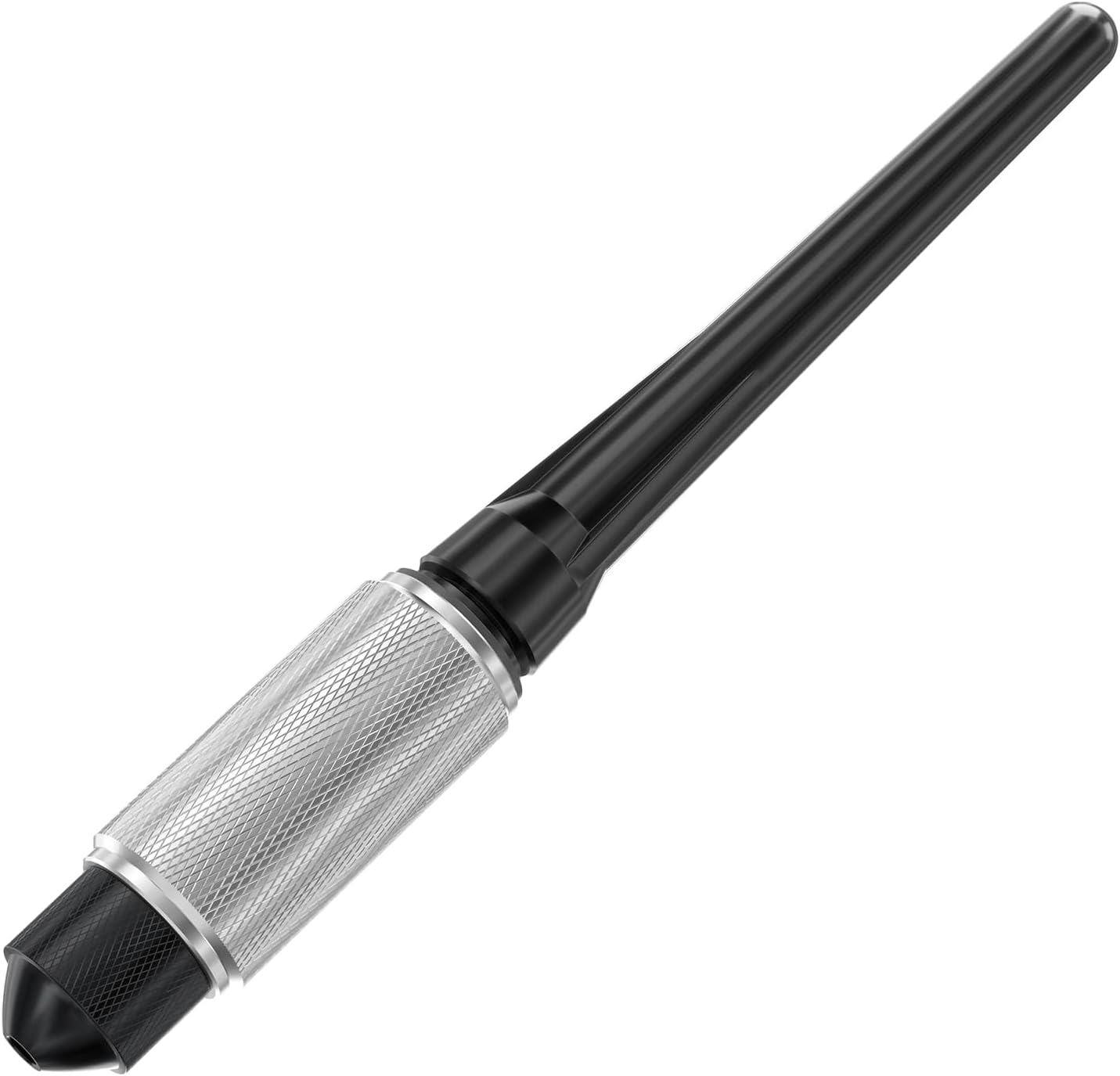
CK SGL-KITM TIG Accessory Kit, Stubby Gas Lens, 4GL, 1/16, 3/32, 1/8
Short description: Complete TIG torch accessory kit from CK Worldwide featuring stubby gas lens design for improved visibility and precision. Compatible with CK Worldwide TIG torches 17, 18, and 26. Includes three gas lens sizes (4GL) and three collet body sizes (1/16, 3/32, 1/8) for versatile tungsten electrode compatibility. Essential consumables for TIG welding on mild steel, stainless, and aluminum.
Use the listed product only where it matches the torch and tungsten setup. If torch model or consumable size is not confirmed, verify before ordering.

CK SGL-KITM TIG Accessory Kit, Stubby Gas Lens, 4GL, 1/16, 3/32, 1/8
Complete TIG torch accessory kit from CK Worldwide featuring stubby gas lens design for improved visibility and precision. Compatible with CK Worldwide TIG torches 17, 18, and 26. Includes three gas lens sizes (4GL) and three collet body sizes (1/16, 3/32, 1/8) for versatile tungsten electrode compatibility. Essential consumables for TIG welding on mild steel, stainless, and aluminum.
View at Arc Weld StoreSafety Notes
- Shut power off before changing consumables or touching internal torch parts.
- Allow hot tungsten and cups to cool before handling.
- Do not grind tungsten in a way that contaminates the shop or exposes hands and eyes to dust.
- Use local exhaust ventilation when welding and when grinding tungsten.
- Do not weld with damaged leads, cracked torch parts, or leaking gas equipment.
FAQ
Why does TIG arc wandering happen right at start?
The most common causes are poor ground contact, contaminated tungsten, or weak shielding gas coverage.
Can a bad work clamp cause hard starts?
Yes. A poor clamp connection can interrupt the current path and make arc initiation unreliable.
Does tungsten shape matter?
Yes. An uneven or contaminated tungsten can make the arc unstable and harder to direct.
Can airflow affect TIG starts?
Yes. Draft can disturb shielding gas and cause unstable starts or contamination.
Sources Checked
- Provided ArcWeld product data for CK SGL-KITM TIG Accessory Kit
- Topic brief: troubleshoot arc starts, grounding, tungsten prep, and shielding gas issues