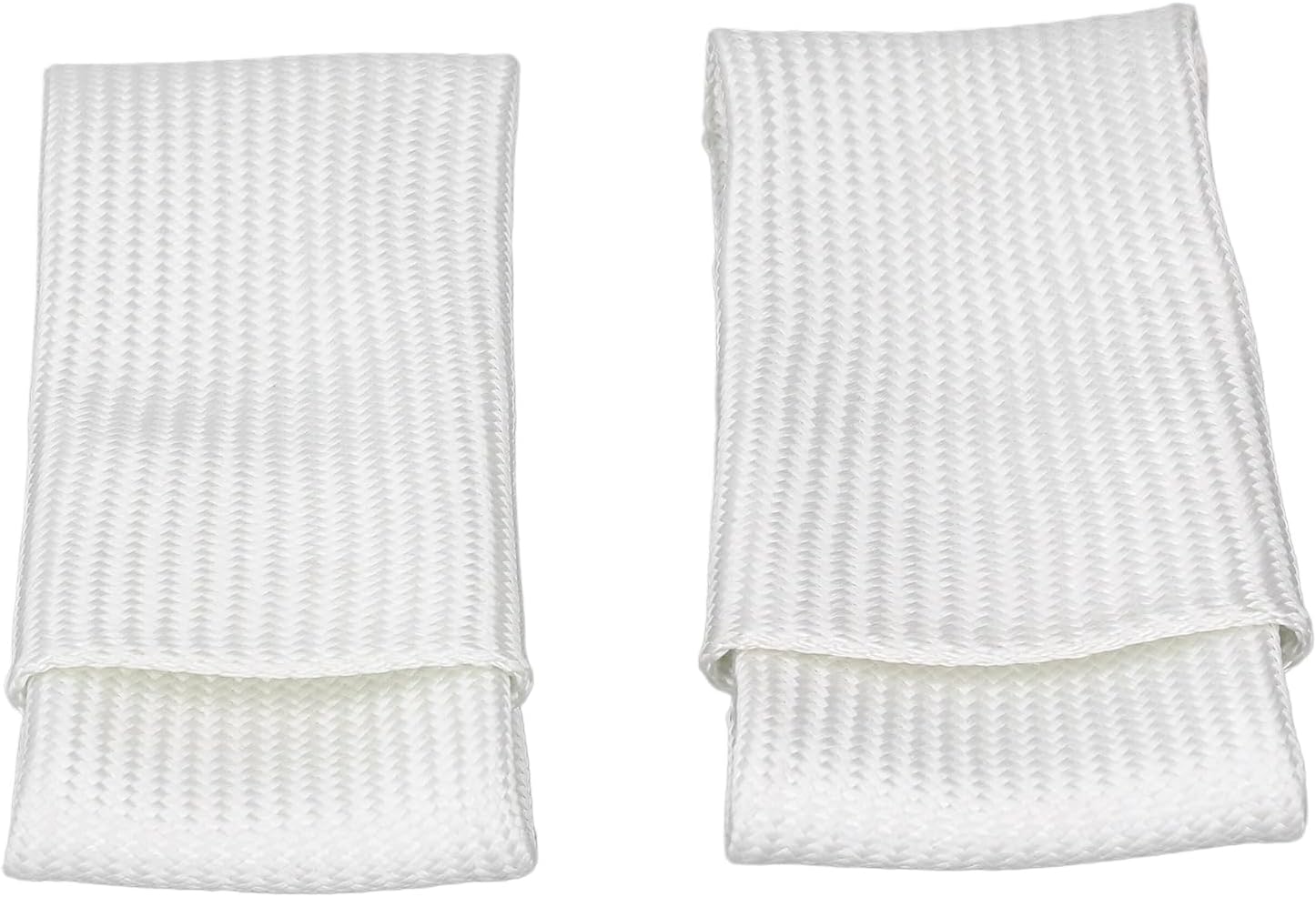
TIG is slow, close, and heat-soaked. Even with good gloves, the index finger is usually the first place you feel it—especially when you’re steadying the torch, walking the cup, or doing long beads where heat builds in the glove. A fingertip heat shield is a small accessory, but it can meaningfully reduce glove wear and finger heat exposure when used correctly.
This post is built around one specific Amazon listing with a verified ASIN so you can avoid “looks the same” swaps.

- MAIN PURPOSE: This finger cover is mainly used to wear on TIG welding gloves, reducing glove wear and preventing finger burns or scratches.
- GLASS FIBRE: These welding finger cots are made of glass fiber, with good insulation, strong heat , and .
- POCKET SIZE: These insulation finger covers are pocket size and can be easily worn on gloves, making them suitable for any TIG .
- 2PCS IN 1 SET: Includes a XL size finger cover and a L size finger cover to meet the needs of different fingers, convenient and practical.
- HEAT INSULATION: These glass fiber finger cots provides excellent thermal insulation, suitable for amateur welding enthusiasts or industrial welders.
Last update on 2026-03-19 / Affiliate links / Images from Amazon Product Advertising API
Product (verified)
Amazon listing title: 2PCS Glass Fibre Finger Cots Thermal Insulation Finger Covers, TIG Welding Fingertip Protector
Verified ASIN: B0DQQ7DSV9
Amazon URL used to confirm ASIN:https://www.amazon.com/Thermal-Insulation-Welding-Fingertip-Protector/dp/B0DQQ7DSV9?tag=weldsupport-20
What this is (plain-English)
This is a set of fingertip covers intended to be worn over or on the fingertip area (often over a glove finger) to reduce heat transfer and abrasion at the point where TIG welders tend to “ride” the work.
Unknown (Verify): exact material composition beyond “glass fibre” wording, temperature rating, and whether the product is intended to be worn directly on skin vs over a glove. Confirm on the listing before use.
Where it helps (real use cases)
- Walking the cup / steadying the torch: reduces hot-spot burn-through on glove fingertips.
- Long beads on warm parts: helps when heat soak builds and your glove starts to feel “thin.”
- Bench TIG on stainless: when you’re close to the puddle and repositioning frequently.
Where it won’t help
If your glove choice is wrong for the amperage, or you’re resting your hand too close to the arc, a finger cot won’t fix the underlying technique or PPE mismatch. Treat it as a wear item, not primary protection.
Performance & Use
The value is simple: less glove damage and less fingertip heat, which can improve control because you’re not constantly backing off due to discomfort.
What to compare before you buy
- Sizing and fit: too loose slips; too tight kills dexterity (Unknown—Verify sizing guidance).
- How you’ll wear it: over-glove vs under-glove (verify intended use on listing).
- Dexterity impact: if it changes your torch angle control, it may not be worth it.
- Durability expectations: these are typically consumable wear items—plan to replace.
- Your amperage and duty cycle: higher heat work may require heavier gloves first.
Comparable Amazon picks (optional)
(Verified ASINs; plain affiliate links only.)
- Alternate listing for similar finger cots (verify sizing/material differences): https://www.amazon.com/dp/B0F5NFZY76?tag=weldsupport-20
- Another TIG finger heat shield listing (verify model/specs before buying): https://www.amazon.com/dp/B0GDX39471?tag=weldsupport-20
Practical buying notes
- If you’re burning through glove fingertips weekly, this is a low-cost experiment that can reduce consumable spend.
- If you rarely feel fingertip heat, spend the money on better gloves or better bench setup first.
Safety note
Do not treat a fingertip cover as “heat proof.” Maintain safe hand distance from the arc, and keep gloves appropriate to the process. If a product has no clear rating or instructions, assume conservative limits and verify before relying on it.