If your MIG wire feed feels inconsistent—slipping at the drive rolls, surging at the arc, or randomly stopping—you’re usually dealing with a restriction in the wire path, not a “bad welder.” The goal is to restore smooth, low-friction wire travel from spool to contact tip. This guide walks you through a fast diagnosis and a one-variable-at-a-time fix.
Where to Buy (Quick Fix Parts)
Most likely failed components for slipping/surging feed:
- Gun liner (clogged with debris, wrong size, kinked, or cut too long/short)
- Contact tip (worn/oversized, spatter-packed, or wrong size for wire)
- Drive roll setup (wrong groove, worn groove, or tension crushing the wire)
Top Pick (Primary Fix)
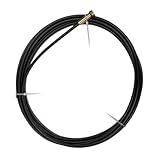
- 🔧 COMPATIBILITY NOTICE: This is a replacement part compatible with specific vehicle/machine models. Please carefully check the part number, vehicle model, and size before purchasing.
- ⚙️ RELIABLE PERFORMANCE: Manufactured to meet or exceed standard replacement specifications, providing stable performance and reliable operation under normal working conditions.
- 🛡️ DURABLE MATERIALS: Made from high-quality materials, resistant to wear, corrosion, and heat, ensuring a long lifespan and stable use.
- 🧰 EASY INSTALLATION: Designed for direct replacement installation. No modifications required. Professional installation is recommended if you are unfamiliar with replacing parts.
- 🚗 WIDE APPLICATION: Suitable for use with a wide range of vehicles and equipment such as cars, motorcycles, lawnmowers, snowmobiles, and other compatible machinery.
Last update on 2026-03-27 / Affiliate links / Images from Amazon Product Advertising API
Disclosure: As an Amazon Associate, I earn from qualifying purchases.
Backup / Consumable Option

Last update on 2026-03-27 / Affiliate links / Images from Amazon Product Advertising API
Key Takeaways
- If the drive rolls are slipping, don’t crank tension first—check for a liner restriction and crushed wire.
- If the arc surges, the wire is often sticking in the tip or dragging in the liner.
- Set drive roll tension using the “just enough to feed” method; too tight creates debris that clogs liners.
- If it’s not fixed in 2–3 minutes, replace the consumable (tip/liner) before changing machine settings.
Symptoms (Fast Diagnosis)
- Drive rolls spin but wire doesn’t move (or moves in bursts)
- Wire feed feels jerky when you pull the trigger
- Arc stutters/surges even with stable voltage/WFS settings
- You see copper dust/shavings near the feeder (crushed wire)
- Wire is flattened or has shaved edges after the drive rolls
- Feed improves when you straighten the gun lead, then gets worse again
Root Causes (Mapped to Symptoms)
- Rollers spin but wire doesn’t feed → liner restriction, wrong drive roll groove, tension too low or wire crushed from too much tension
- Jerky feed / surging arc → contact tip worn/dirty, liner packed with debris, tight bends in lead, spool drag too high
- Copper dust at feeder → drive roll tension too high crushing wire (debris migrates into liner)
- Feed changes with lead position → kinked liner, damaged lead, liner not seated, too many tight bends
Quick Fix (Do This First)
Replace the most common failure components first:
- Contact tip (fastest swap)
- Liner (most common hidden restriction)
- Then re-set drive roll tension (don’t over-tighten)
Avoid over-adjusting voltage/WFS until the wire path is confirmed smooth.
- 🔧 COMPATIBILITY NOTICE: This is a replacement part compatible with specific vehicle/machine models. Please carefully check the part number, vehicle model, and size before purchasing.
- ⚙️ RELIABLE PERFORMANCE: Manufactured to meet or exceed standard replacement specifications, providing stable performance and reliable operation under normal working conditions.
- 🛡️ DURABLE MATERIALS: Made from high-quality materials, resistant to wear, corrosion, and heat, ensuring a long lifespan and stable use.
- 🧰 EASY INSTALLATION: Designed for direct replacement installation. No modifications required. Professional installation is recommended if you are unfamiliar with replacing parts.
- 🚗 WIDE APPLICATION: Suitable for use with a wide range of vehicles and equipment such as cars, motorcycles, lawnmowers, snowmobiles, and other compatible machinery.
Last update on 2026-03-27 / Affiliate links / Images from Amazon Product Advertising API
Step-by-Step Fix
- Stop and inspect the wire after the drive rolls
Cut 6–12 in (150–300 mm) off and look for flattening or shaving.- Flattened wire = too much tension or wrong groove.
- Check spool drag (don’t let it freewheel, don’t choke it)
You want the spool to stop without coasting into a birdnest when you release the trigger. If drag is excessive, the feeder will slip. - Confirm drive roll groove matches wire type and size
- Solid wire typically uses V-groove.
- Flux-core often prefers knurled (verify your feeder manual).
Unknown (Verify): your specific feeder’s recommended roll type.
- Set drive roll tension correctly (the “just enough” method)
Start low. Feed wire into a block of wood (or pinch lightly with gloved fingers at the gun end). Increase tension only until it feeds without slipping.
If you crank tension to “fix” slipping, you often create crushed-wire debris that plugs the liner. - Straighten the gun lead and test feed
If feed improves when straight, you likely have liner drag, a kink, or a lead issue. - Pull the nozzle and contact tip; test wire feed without the tip
- If it feeds smooth with the tip removed, the tip is the restriction (wrong size, worn, spatter-packed).
- Replace/clean the liner if drag is suspected
If you’ve had a birdnest, crushed wire, or lots of dust, assume liner contamination. Replace is usually faster than trying to “save” it. - Re-test with one change at a time
Make one change, run a 10–15 second feed test, then move to the next variable.
Parts That Actually Fix This
Gun liner
Replace when:
- Wire feels rough when feeding
- You see debris/copper dust and feed is inconsistent
- The lead position changes feed quality
Adjust/clean when: - Minor contamination and you can blow it out safely (manufacturer guidance varies; replacement is often the most reliable)
Contact tips
Replace when:
- Wire binds at the tip
- Tip bore is worn (arc becomes inconsistent)
- Tip is spatter-packed
Adjust when: - You simply had spatter buildup you can remove and the bore isn’t damaged
Drive rolls
Replace when:
- Groove is visibly worn/polished and slips even at correct tension Adjust when:
- Wrong groove selection or tension was incorrect
Diffuser / nozzle (if applicable)
Replace when:
- Threads are damaged, tip won’t seat correctly, or gas coverage is inconsistent due to damage
Adjust/clean when: - It’s just spatter buildup affecting seating
Replace vs Adjust (Fast Decision Table)
| Problem | Adjust First | Replace |
|---|---|---|
| Drive rolls slipping | Reduce spool drag; confirm correct groove; set “just enough” tension | Liner (if debris); drive rolls (if worn) |
| Surging/stuttering arc with stable settings | Test feed with tip removed | Contact tip (most common) |
| Feed changes when lead is bent | Straighten lead; check routing | Liner or damaged lead |
| Copper dust near feeder | Back off tension; confirm groove | Liner (likely contaminated) |
Rule: If not fixed in 2–3 minutes → replace the consumable.
Prevention Tips
- Keep the gun lead as straight as practical; avoid tight loops on the floor.
- Don’t over-tighten drive rolls. Crushing wire creates debris that clogs liners.
- Store wire dry and covered; rust/contamination increases liner drag.
- Replace contact tips proactively if you notice arc instability or frequent spatter packing.
- Routine interval: Unknown (Verify). It varies by duty cycle, wire type, environment, and technique.
Safety Notes
- Wear an ANSI Z87.1-rated helmet and safety glasses under the hood.
- Use welding gloves when handling hot consumables and sharp wire.
- Ensure proper ventilation; fume exposure increases during troubleshooting because you tend to do repeated short test welds.
FAQ
Why does my wire feed fine until I start welding, then it surges?
Often the wire is binding at the contact tip under heat/spatter, or the liner drag shows up under load. Test feed with the tip removed to isolate it.
Should I just tighten the drive rolls until it stops slipping?
No. Over-tension crushes the wire, creates debris, and makes the liner clog worse. Set tension to “just enough to feed.”
Can a bad ground clamp cause wire feed surging?
A poor work clamp can cause arc instability that feels like surging, but it won’t usually cause true mechanical slipping at the feeder. Fix the wire path first, then confirm your clamp and connections.
How do I know if my liner is the wrong size?
If the wire drags even when everything is clean and straight, or you’re using a different wire diameter/material than the gun was set up for, liner size mismatch is a common cause. Verify against your gun manual.
