Wire burning back into your contact tip kills productivity. You’ll see spatter buildup, stuck wire, and weak arc quality. This happens because of wire-feed speed, hose tension, or tip wear—and it’s fixable.
Key Takeaways
- Fix in 10 minutes: Adjust wire speed or replace the contact tip ($5–$15)
- Root cause: Wire speed too low, hose slack, or worn tip
- Prevention: Check stick-out distance (3/8″) and keep hose straight
- Cost: $5–$50 depending on the fix (adjustment is free)
Quick Diagnosis
What you’ll see:
- Wire fused or stuck inside the copper contact tip
- Spatter buildup around the tip and nozzle
- Weak or inconsistent arc
- Wire stops feeding mid-weld
Likely causes (ranked by frequency):
- Wire-feed speed set too low
- Contact tip worn or undersized
- Hose kinked or slack (wire burns back during arc)
- Stick-out distance too long (>1/2″)
- Liner clogged or damaged
Safety Notes
- Disconnect power before removing or inspecting the gun
- Wear leather gloves when handling hot tips or spatter
- Check shielding gas flow (proper flow prevents arc instability that causes burnback)
- Ventilate the work area (MIG spatter and fumes require good airflow per ANSI Z87.1)
Step-by-Step Troubleshooting
Step 1: Check wire-feed speed (2 minutes)
- Set speed to match your wire diameter and material (typically 200–400 ipm for .035″ mild steel)
- If too low, wire can’t keep up with the arc and burns back
- Increase speed by 10–20% and test
Why: Wire speed controls how fast wire feeds. Too slow = burnback. Too fast = bird nesting.
Step 2: Inspect the contact tip (3 minutes)
- Remove the nozzle and tip (use a contact-tip wrench or pliers)
- Look inside the bore for spatter or wear
- If the hole is enlarged or clogged, the tip is done
Why: Worn tips have loose contact and cause arc instability.
Step 3: Check hose routing (2 minutes)
- Trace the gun cable from the feeder to the gun
- Look for kinks, tight bends, or slack sections
- Straighten any kinked areas; slack hose lets wire move too freely
Why: Slack hose = wire bounces during feed, causing burnback.
Step 4: Verify stick-out distance (1 minute)
- Measure from the end of the nozzle to the base metal
- Should be 3/8″ to 1/2″ for MIG
- If longer, the arc is too far from the tip and wire overheats
Why: Long stick-out = high resistance = heat buildup = burnback.
Fix Options (Ranked)
1. Adjustment (Free)
- Increase wire-feed speed by 10–20%
- Straighten hose and secure with cable ties
- Reduce stick-out distance to 3/8″
- Test on scrap metal
2. Consumable Change (~$5–$15)
- Replace contact tip with correct size (check gun manual for .030″ or .035″)
- Clean liner with a wire-brush kit
- Replace if liner is kinked
3. Part Replacement (~$20–$50)
- Replace entire nozzle and tip assembly
- Replace gun cable if hose is damaged
- Upgrade to a heavier-duty gun for high-duty-cycle work
Recommended Fix (Product Section)
A quality contact-tip cleaner kit prevents burnback by keeping tips clean and helping you identify wear early. The Herain Welding Tip Cleaner includes 12 wire sizes to clean and inspect tips before they fail.
Why it works: Clean tips maintain good electrical contact. Worn tips show immediately—you’ll replace them before burnback happens.
When to use it: After every 8–10 hours of welding, or whenever you notice spatter buildup.
When NOT to use it: If the tip bore is enlarged or damaged, cleaning won’t help—replace it instead.
What to check before buying:
- Verify your gun type (MIG, TIG, plasma—this kit covers MIG/TIG)
- Confirm tip size (.030″, .035″, or .040″)
- Ensure you have a contact-tip wrench or pliers
- Check that your nozzle is removable (most are)
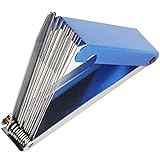
- 1.High-quality materials: The carbohydrate cleaning tool is made of high-quality stainless steel, and is equipped with a lightweight and stable high-quality aluminum box, it is a good tool to carry and use
- 2.Different diameters: There are 13 kinds of carburetor cleaning kits (0.4, 0.5, 0.6, 0.7, 0.8, 0.9, 1.0, 1.1, 1.2, 1.4, 1.5, 1.6 mm, a flat file) with different diameters, specially used to remove tiny Dirt in the nozzle and carburetor channels
- 3.Widely used: Welding gun nozzle cleaning tool can be used to clean small orifices such as spray guns, nozzles, pneumatic tools, camping stoves and so on; it is also suitable for most automobiles, motorcycles, ATV, welding machines, tattoo machines, lawn equipment and other power sports carburettor
- 4.Easy to use: Torch tip cleaner is spiral, it is a special tool used to dredge the cutting nozzle due to the splash of residue during the cutting process. Frequent dredging can make the cutting nozzle more resistant and better cutting effect
- 5.Ingenuity: As long as the tip cleaner is used correctly, it can be used multiple times. If you have any product questions, you can contact us at any time
Last update on 2026-03-27 / Affiliate links / Images from Amazon Product Advertising API
Comparable Options
Lincoln Electric K3724-1 Industrial Tip Cleaner (~$12): Heavy-duty option with file and pick. Best for high-volume shops. https://www.amazon.com/dp/B0BL1DG3FR?tag=weldsupport-20
WILLBOND 4-Piece Torch Tip Cleaner Kit (~$10): Budget-friendly with 13 wire sizes. Good for occasional use. https://www.amazon.com/dp/B089B2FBCN?tag=weldsupport-20
Common Mistakes
- Setting wire speed too low to “save wire”: You’ll waste more time fixing burnback than you save on consumables.
- Ignoring a kinked hose: Slack hose is the #1 cause of burnback. Straighten it immediately.
- Using the wrong tip size: A .030″ tip on .035″ wire won’t feed properly. Check your gun manual.
- Not cleaning the liner: A clogged liner causes friction, which leads to burnback and bird nesting.
- Leaving the nozzle on while cleaning the tip: You can’t see spatter buildup if the nozzle is in the way.
FAQ (Snippet-Optimized)
Q: Why does my wire keep sticking in the tip? A: Wire speed is too low, hose is slack, or the tip is worn. Increase speed by 10–20%, straighten the hose, and replace the tip if the bore is enlarged.
Q: How often should I replace my contact tip? A: Every 50–100 hours of welding, or sooner if you see spatter buildup or burnback. Clean it every 8–10 hours.
Q: Can I fix a burnt-back tip by cleaning it? A: No. If wire is fused inside, the tip is damaged and must be replaced. A cleaner kit helps prevent burnback, not fix it.
Q: What’s the right wire-feed speed for MIG? A: For .035″ mild steel, start at 250–300 ipm. Adjust based on your material and thickness. Check your machine manual for exact settings.
Q: Does shielding gas affect burnback? A: Yes. Low gas flow or wrong gas mix causes arc instability, which can trigger burnback. Verify flow rate (15–20 cfh for MIG) and use the correct gas (75% Ar / 25% CO2 for mild steel).
Next Steps
Related troubleshooting posts:
- How to Fix Bird Nesting in Your MIG Welder
- MIG Wire Selection Guide: .030″ vs .035″ vs .045″
- MIG Liner Maintenance: When to Replace and How
For more welding fixes and gear options, see our full resource page:https://blog.weldsupportparts.com/links/
