Category: Abrasive & Drill Equipment

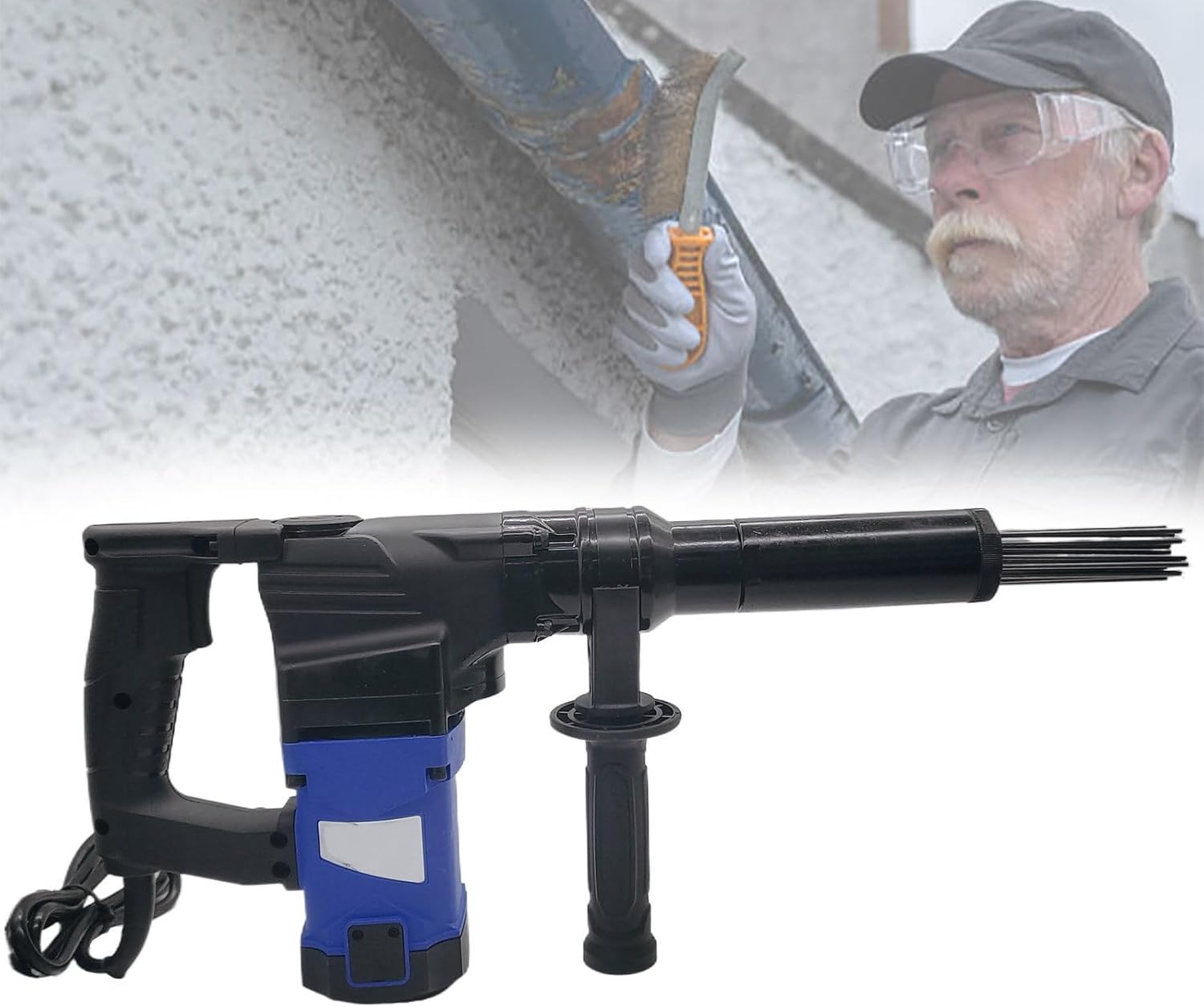
  • Beachtiful Electric Needle Scaler (1100W): When It’s the Right Tool for Slag, Rust, and Coating Removal

    Beachtiful Electric Needle Scaler (1100W): When It’s the Right Tool for Slag, Rust, and Coating Removal

    Needle scalers are not “finish tools.” They’re for aggressive removal of weld slag, rust, and stubborn coatings where a flap disc, wire wheel, or scraper is slow—or where you’re trying to get into irregular surfaces and corners.

    This post covers what to verify before buying the Beachtiful Electric Needle Scaler (1100W), where it fits in a welding workflow, and what it will not do (so you don’t buy it expecting grinder-like results).

    Beachtiful Electric Needle Scaler, 1100W Handheld Needle Derusting Electric Jet Chisels, for Metalworks, Rust, Weld & Paint Remover, Screw,Nut,Boat,Deck
    • 【High Performance】Electric needle scaler using high-end copper wire motor and key components, it has good electrical safety and long service life, The streamlined and lengthened front air duct is matched with a compact crankcase to increase the effective working depth.
    • 【Easy to Replace】Handheld electric needle derusting tool the rust-removing steel needle is easy to replace, and the daily maintenance is more convenient, available to meet the needs of different use environments.
    • 【Use Quickly】Electric rust remover front handle is easy to disassemble and assemble, and can be quickly fixed at any position in front, making the more comfortable.
    • 【Small Size】The streamlined slender front duct and compact crankcase can handle various small corners efficiently and flexibly.
    • 【Wide Scope of Application】Needle scaler attachment is suitable for relatively harsh working environments such as shipbuilding, construction, and foundry industries. It can effectively remove deposits such as various coatings, rust, and welding slag.

    Last update on 2026-03-20 / Affiliate links / Images from Amazon Product Advertising API

    What a needle scaler is best at

    A needle scaler uses a bundle of moving needles to “chip” at surface contamination. In welding/fab work, it’s typically used for:

    • Slag removal after certain processes (especially where slag is heavy or access is awkward)
    • Rust and coating removal during repair prep
    • Cleaning irregular surfaces where a disc can’t sit flat

    It’s not a replacement for final surface conditioning. Most jobs still need a follow-up pass (wire wheel, flap disc, sanding) depending on your finish requirements.

    Performance & Use

    What to compare before you buy

    • Power and duty expectations: The listing states “1100W” in the title; verify the electrical requirements and whether it matches your shop power.
    • Needle replacement availability: Confirm replacement needle sets are easy to source (Unknown (Verify) unless clearly listed).
    • Vibration and control: Needle scalers can be fatiguing. Look for grip/handle design that supports two-hand control.
    • Access vs grinder: If you mainly need flat-surface blending, a flap disc may be faster. If you need corners/irregular surfaces, the scaler can win.
    • Noise and debris management: Plan for hearing protection and eye/face protection. Debris can eject unpredictably.

    Comparable Amazon picks (optional)

    Where this fits in a welding workflow

    A practical sequence (common repair/fab reality):

    1. Gross removal: needle scaler for heavy slag/rust/coating
    2. Refine: wire wheel or flap disc to smooth and prep for weld/paint
    3. Final prep: wipe/clean per your coating or weld procedure requirements (process-specific)

    Safety notes worth taking seriously

    • Eye/face protection is non-negotiable. Needle scalers throw sharp debris. Use at least safety glasses; a face shield is often the better call.
    • Hearing protection: These tools are loud in real use.
    • Gloves and sleeves: Helps with vibration and protects from sharp chips.
    • Check what you’re removing. If you’re stripping unknown coatings, treat dust as hazardous until verified otherwise.

    Who should buy this

    Good fit if you:

    • Do repair work where rust/coatings are common.
    • Need a tool that can clean irregular surfaces faster than discs alone.

    Skip if you:

    • Mostly do clean new fab where a flap disc/wire wheel already covers your prep needs.
    • Expect a needle scaler to leave a “ready-to-paint” finish without follow-up.

    Where to buy (verified)

    Beachtiful Electric Needle Scaler, 1100W Handheld Rust Remover (listing title as shown in search results)
    Verified ASIN: B0D5CTDVBG
    Amazon verification URL: https://www.amazon.com/Beachtiful-Electric-Handheld-Derusting-Metalworks/dp/B0D5CTDVBG?tag=weldsupport-20
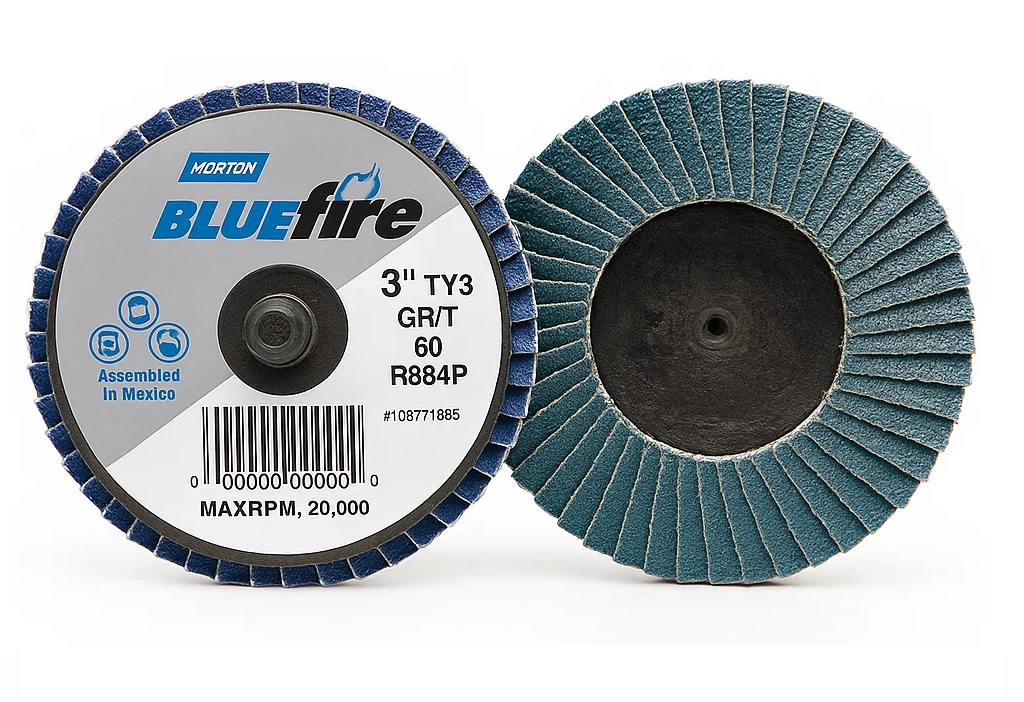
  • Norton 90168, Flap Disc, MD, Grit 80, TY 3, 2in, Bluefire, Pack of (3) (90168)

    Norton 90168, Flap Disc, MD, Grit 80, TY 3, 2in, Bluefire, Pack of (3) (90168)

    Abrasives are where weld quality gets judged. If you are blending small welds, cleaning tight corners, or finishing parts that are too small for a full-size 4-1/2″ disc, a 2″ flap disc is a practical option. The Norton 90168 is listed as a Type 27 flap disc, 2″ diameter, 80 grit, “Bluefire,” sold as a 3-pack—aimed at controlled blending rather than aggressive stock removal.

    Key Takeaways

    • 2″ flap discs are built for access: corners, small parts, and touch-up where larger discs are clumsy.
    • 80 grit is typically a blend/finish step after heavier grinding (exact progression depends on your finish target).
    • Type 27 discs are commonly used at a shallow angle for controlled removal (verify tool and disc ratings).
    • Always match disc size and max RPM to the tool you are running.

    Performance & Use
    This disc size is most useful when you are trying to avoid over-grinding. Think: cleaning a tack area, blending a small fillet, knocking down a sharp edge, or prepping a weld zone on thin material where heat and gouging matter. The “Bluefire” naming suggests a zirconia alumina abrasive per the product page text, but exact abrasive spec should be confirmed against Norton documentation.

    What to compare before you buy

    • Disc diameter and access: 2″ is for tight work; it is not a replacement for a 4-1/2″ when you need coverage.
    • Grit: 80 grit is usually not a first-step weld removal grit. If you need to flatten a proud weld fast, start coarser, then step to 80.
    • Type and angle: Type 27 is typically used at a shallow angle; confirm your technique and guard setup.
    • Tool compatibility: Confirm arbor/attachment style and max RPM rating for your tool (Unknown (Verify) on the ArcWeld.store page).
    • Material match: Verify whether this abrasive is recommended for carbon steel vs stainless applications (Unknown (Verify)).

    Durability & Build
    Flap disc life depends on pressure, angle, and heat. Small discs can be burned up quickly if you lean on them like a grinding wheel. Use light-to-moderate pressure, keep the disc moving, and let the abrasive cut. If you are seeing glazing, you are likely too hot, too much pressure, or on the wrong material.

    Power / Specs
    From the ArcWeld.store product page text:

    • Product: Norton 90168 flap disc
    • Disc type: Type 27 (listed)
    • Disc diameter: 2 in (listed)
    • Grit: 80 (listed)
    • Abrasive material: Zirconia alumina (listed)
    • Pack size: Pack of (3) (listed)
    • Max RPM: Unknown (Verify)
    • Arbor/attachment details: Unknown (Verify)

    Who It’s For

    • Fabricators doing small-part cleanup, corner blending, and touch-up where a full-size disc is too aggressive.
    • Anyone building a grit progression for finish prep (coarse removal → blend → surface conditioning).
    • Shops that want a small-disc option for controlled removal on brackets, tabs, and tight assemblies.

    Quick FAQ
    Q: Is 80 grit enough to remove a weld fast?
    A: Usually it is a blending grit, not a heavy removal grit. If you need to flatten a weld, start coarser, then step to 80 for cleanup.

    Q: Can I run this on any grinder?
    A: Unknown (Verify). You must match disc size, attachment method, and max RPM rating to the tool.

    Q: Is this for steel or stainless?
    A: Unknown (Verify). Check Norton’s abrasive recommendations for the material you are working on.

    Safety Notes

    • Abrasives can fail if oversped or used with the wrong guard setup. Confirm max RPM and tool compatibility before use.
    • Wear eye and face protection; flap discs throw grit and wire-like debris from the work surface.
    • Keep sparks away from flammables and compressed gas cylinders.
    • Let the disc cut—excess pressure increases heat and can damage the workpiece and the disc.

    Always follow the manufacturer’s instructions and your shop’s safety procedures. If you’re unsure about fitment or ratings, verify before you buy or install.

    Where to Buy
    ArcWeld.store (verified product page): Norton 90168, Flap Disc, MD, Grit 80, TY 3, 2in, Bluefire, Pack of (3)

    ” target=”_blank” rel=”noreferrer noopener”>
    Norton 90168, Flap Disc, MD, Grit 80, TY 3, 2in, Bluefire, Pack of (3)

    Norton 90168, Flap Disc, MD, Grit 80, TY 3, 2in, Bluefire, Pack of (3)

    $26.12

    In Stock

    View Product

Try Amazon Prime Free